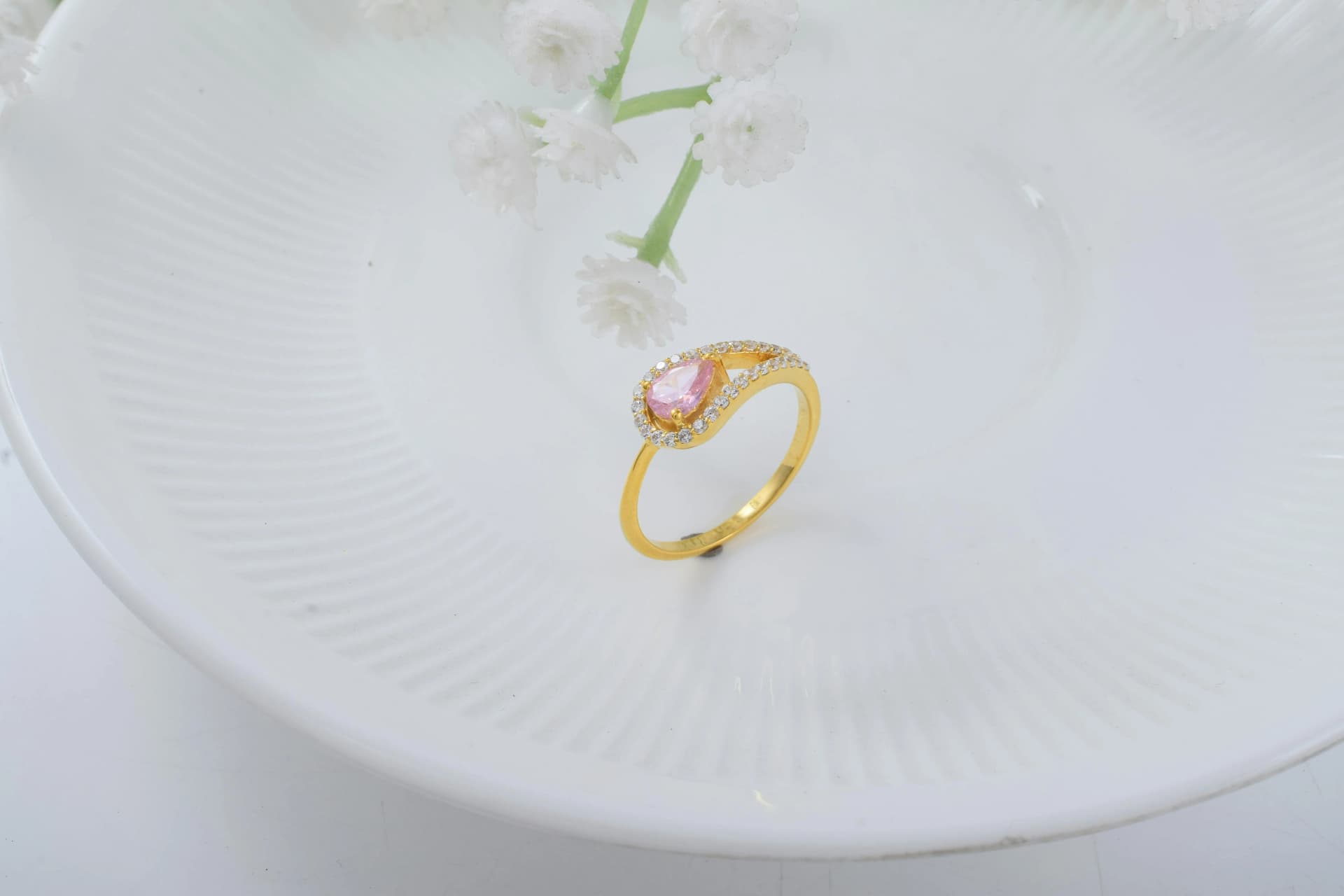
Lab-grown diamonds have been making waves in the jewelry industry, captivating consumers with their ethical appeal and affordability.
Yes — lab-grown diamonds are firmly established in the US market. They now account for over 50% of US engagement ring center stones in 2024–2025, up from under 5% in 2018. Major mass-market retailers have integrated lab-grown lines, and pricing has stabilized after dropping 70%+ from 2018 highs — signaling market maturity rather than collapse. Demand continues climbing among millennial and Gen Z buyers.
But the question remains: Are they a fleeting trend or a permanent fixture in the market?
Let’s look at what experts have to say about the future of these sparkling creations.
Understanding Lab-Grown Diamonds
Lab-grown diamonds, also known as synthetic diamonds, are cultivated in controlled environments using advanced technological processes like High-Pressure High-Temperature (HPHT) and Chemical Vapor Deposition (CVD).
These methods replicate the natural conditions under which diamonds form, resulting in stones that are chemically, physically, and optically identical to their mined counterparts.
The primary distinction lies in their origin: one emerges from the earth, while the other is born in a lab.
If you’re interested in exploring these eco-conscious options, check out the selection of lab-grown diamonds for a variety of shapes and sizes.
The Rise of Lab-Grown Diamonds
In recent years, there's been a noticeable shift in consumer preferences, especially among younger generations.
Millennials and Gen Z are increasingly gravitating towards lab-grown diamonds due to their ethical sourcing and environmental benefits.
Traditional diamond mining has long been associated with environmental degradation and human rights concerns.
Lab-grown diamonds offer a guilt-free alternative, appealing to eco-conscious consumers.
the affordability of lab-grown diamonds cannot be overlooked.
They typically cost 30-70% less than natural diamonds, allowing consumers to purchase larger or higher-quality stones without breaking the bank.
This price advantage has led to a surge in demand, with lab-grown diamonds accounting for a growing share of the global diamond market.
For those drawn to unique designs, consider the fancy-colored lab-grown diamonds that combine beauty with affordability.
Expert Opinions on Lab-Grown Diamonds
Industry experts acknowledge the significant impact of lab-grown diamonds on the market.
Many jewelers now offer them alongside natural diamonds, recognizing their appeal to a broad customer base.
Market analysts predict that the share of lab-grown diamonds will continue to rise, driven by consumer demand for affordable, sustainable, and ethical options.
However, some experts express concerns about the perception of lab-grown diamonds.
For some, the idea of a diamond formed deep within the Earth carries a certain romantic appeal that a lab-grown alternative cannot replicate.
Also, there’s apprehension about a potential oversupply of lab-grown diamonds, which could lead to price drops and devaluation over time.
Yet, others argue that this increased accessibility benefits consumers, making high-quality diamonds more attainable.
Interested in classic designs? Check out the round lab-grown diamond collection for timeless elegance.
Challenges Facing Lab-Grown Diamonds
Despite their growing popularity, lab-grown diamonds face challenges.
One significant issue is the perception that natural diamonds hold more sentimental and emotional value.
The allure of a gem formed over millions of years deep within the earth is hard to replicate.
Also, concerns about the resale value of lab-grown diamonds persist.
Since they can be produced more readily, their prices may decrease over time, potentially affecting their long-term value.
Looking for more modern styles? Consider browsing oval-shaped lab-grown diamonds for sleek and sophisticated designs.
The Future of Lab-Grown Diamonds
The future looks promising for lab-grown diamonds.
As technology advances, production methods become more efficient, leading to higher-quality stones at lower costs.
This trend is expected to continue, with lab-grown diamonds becoming even more competitive with natural diamonds in terms of both quality and price.
Luxury jewelers are beginning to embrace lab-grown diamonds, recognizing their potential to appeal to a new generation of buyers.
While natural diamonds will likely always hold a special place in the world of luxury, lab-grown diamonds are carving out their own niche, particularly among ethical and eco-conscious shoppers.
For those who love intricate shapes, explore the heart-shaped lab-grown diamond options to add a romantic touch to your jewelry.
Expert Tips for Buying Lab-Grown Diamonds
- Certification: Ensure the diamond comes with certification from a reputable gemological laboratory, verifying its quality and origin.
- Transparency: Choose retailers who are transparent about their diamonds’ sourcing and production methods.
- Resale Value: Be aware that lab-grown diamonds may have a lower resale value compared to natural diamonds.
Lab-grown diamonds are more than just a passing trend; they’re reshaping the jewelry industry.
Offering ethical, sustainable, and affordable alternatives to mined diamonds, they cater to a growing segment of consumers seeking value without compromise.
While challenges exist, the trajectory suggests that lab-grown diamonds are here to stay, sparkling brightly in the future of fine jewelry.
