How Are Lab-Grown Diamonds Made?
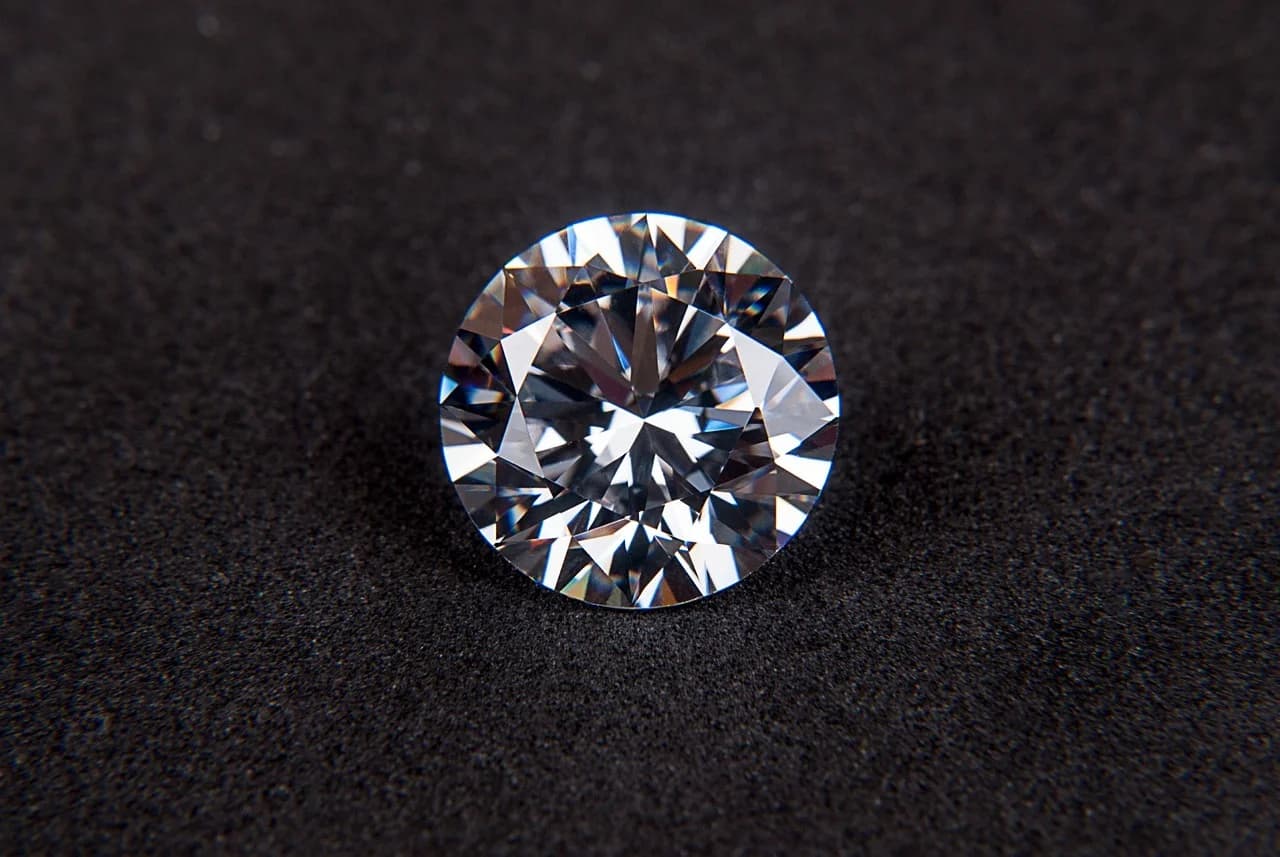
A lab-grown diamond is a real diamond, grown in a matter of weeks in a lab rather than dug out of the ground over a billion years. There are two ways it's done, and neither is as mysterious as it sounds. Here's how it actually works, without the sales spin or the heavy science.
Start with what a diamond actually is
A diamond is just carbon, arranged in a particular cubic structure under heat and pressure. That's it. Nothing about that arrangement requires the earth's mantle specifically, it requires the right conditions. Recreate those conditions in a lab and carbon crystallizes into exactly the same material. That's the whole idea behind both growing methods.
Method one: HPHT (High Pressure High Temperature)
HPHT does what the name says: it copies the intense heat and pressure found deep underground. A tiny diamond seed goes into a chamber with a carbon source and a metal catalyst, then it's taken up to around 1,500°C and enormous pressure. The carbon dissolves and crystallizes onto the seed, growing a rough diamond over days to a few weeks. It's the older of the two methods and it's very good at producing larger, high-clarity stones.
Method two: CVD (Chemical Vapor Deposition)
CVD takes a different route. A thin diamond seed sits in a sealed chamber, which is filled with a carbon-rich gas like methane and heated until the gas becomes a plasma. Carbon atoms rain down out of that plasma and settle on the seed layer by layer, building the crystal upward over several weeks. CVD gives growers fine control over the conditions, which is part of why it's become so popular for consistent, high-quality stones.
From rough to finished stone
Whichever method grows the rough, what happens next is identical to a mined diamond. The rough is assessed, cleaved or sawn, then cut and polished on the same wheels by the same cutters using the same skills. There's no shortcut here, the sparkle in the finished stone comes down to the cut, exactly as it does with a natural diamond.
Does the method change the diamond?
Not in any way you'd notice. Both HPHT and CVD produce gem-quality diamonds, and any tiny differences in trace elements or growth pattern show up only to a lab with the right equipment. What actually decides how good a stone looks is its own cut, color and clarity, not whether it came out of a press or a plasma chamber. So when you're choosing, judge the individual diamond and its certificate, not the growing method on the label.
Grading and certification
Once polished, a lab-grown diamond is graded on the same four things as any diamond: cut, color, clarity and carat. GIA and IGI both grade lab-grown stones and their reports state clearly that the diamond is laboratory-grown, usually with the report number laser-inscribed on the girdle. If you're weighing one lab against the other, we went into it in whether the certificate changes what you're buying, and our GIA lab-grown page covers the grading detail.
How they differ from mined diamonds
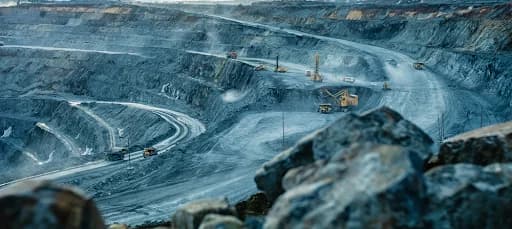
Only in origin and timescale. Chemically and optically, a lab-grown diamond and a mined one are the same material, with the same hardness and the same sparkle, and no jeweler can tell them apart by eye. The difference is a few weeks in a lab versus a billion years underground, plus a fully traceable supply chain. For the full side-by-side, see our lab-grown vs natural guide.
Why the method matters to you
Knowing how they're made explains the two things buyers care about most. Traceability: because the stone is grown in a named facility, there's no question of where it came from. And price: a process that takes weeks with a short supply chain simply costs less than mining, which is why lab-grown sells for a fraction of the mined price. We make the wider case in why choose lab-grown diamonds, and if you're ready to look, the lab-grown diamonds range and our engagement rings are the place to start.
Frequently asked questions
How are lab-grown diamonds made?
They're grown from a diamond seed in a lab using one of two methods: HPHT, which recreates the heat and pressure found underground, or CVD, which builds the crystal from a carbon-rich gas. Both produce a real diamond in a few weeks.
What's the difference between HPHT and CVD?
HPHT uses high pressure and high temperature to crystallize carbon onto a seed; CVD uses a heated carbon gas that deposits carbon layer by layer. Both make genuine diamonds; the finished stones are graded the same way.
How long does it take to grow a lab-grown diamond?
A matter of weeks, depending on the size and method, compared with the billion or so years a mined diamond takes to form.
Are lab-grown diamonds real diamonds?
Yes. They're the same crystallized carbon as mined diamonds, with the same physical and optical properties, and GIA and IGI grade them as diamonds. Only the origin differs.
Can you tell how a diamond was made just by looking?
No. Lab-grown and mined diamonds are visually identical, and even HPHT versus CVD can't be told apart by eye. It takes specialist equipment or the certificate to know.
Are HPHT and CVD diamonds different in quality?
Not inherently. Both methods can produce excellent stones, and quality comes down to the individual diamond's 4Cs rather than the method used to grow it.