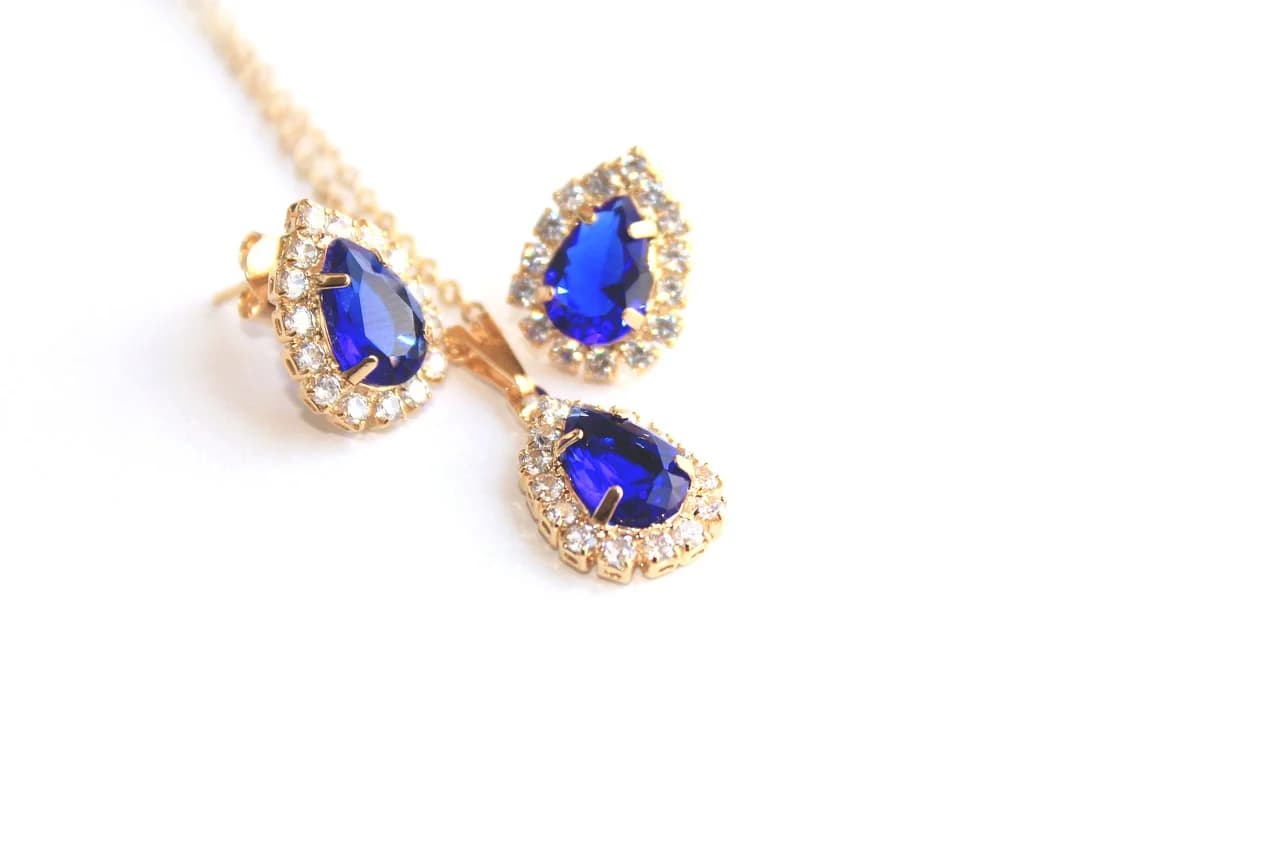
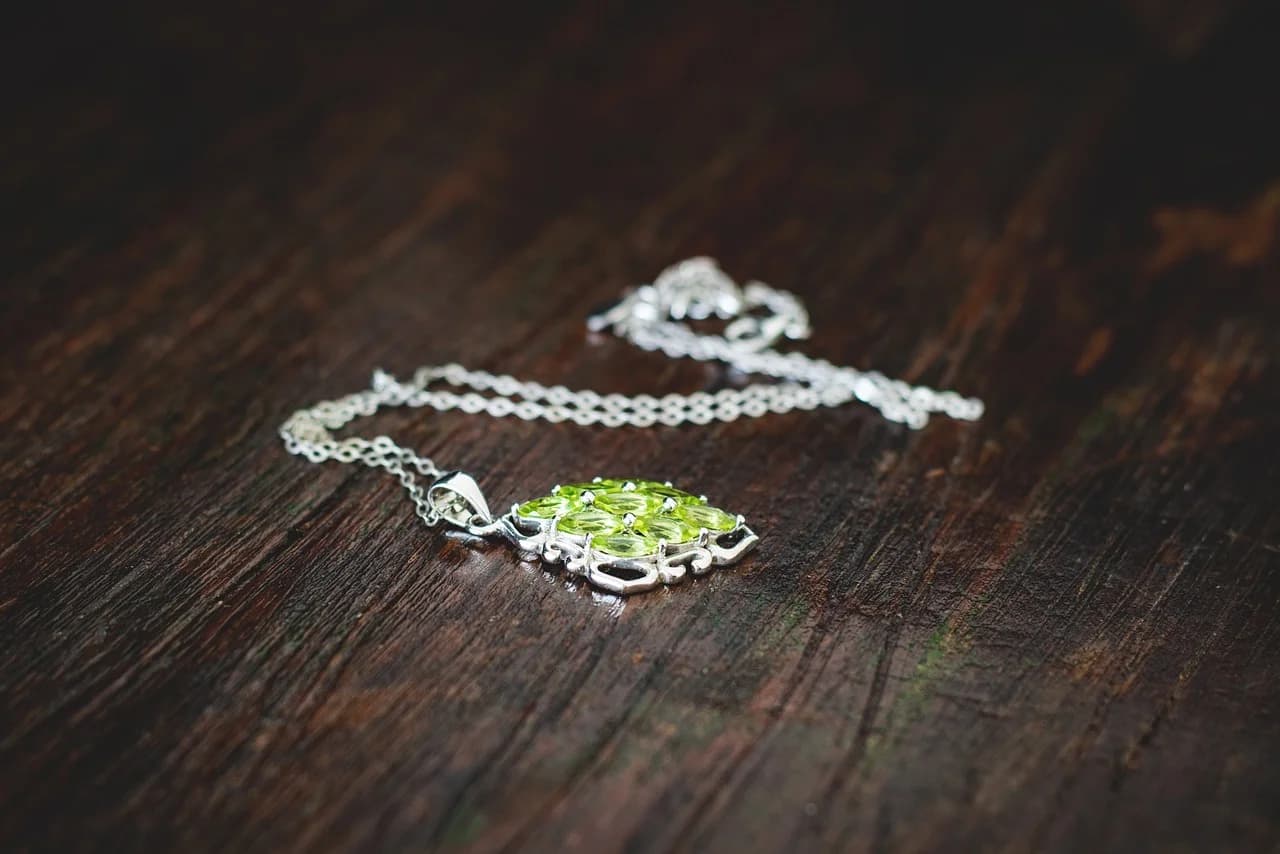
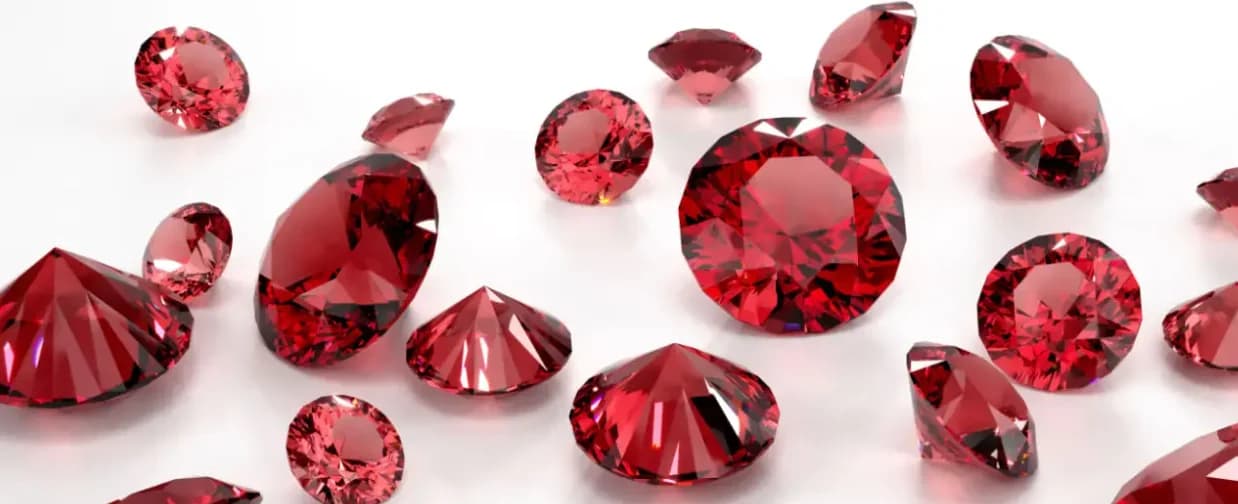
December is one of three months that gets multiple birthstones — tanzanite, turquoise, and zircon all share December — but tanzanite is the newest and most prized of the three. Discovered in Tanzania in 1967 and added to the modern birthstone list in 2002, tanzanite is found in only one place on earth: a 4-square-kilometer patch in the foothills of Mount Kilimanjaro. This guide covers what makes tanzanite unique, how to evaluate one, and why supply concerns are pushing prices higher every year.
Tanzanite is December's rare blue-violet birthstone, found only in a 4-square-kilometer mining area in northern Tanzania. Its supply is geologically limited to roughly 20-30 more years, which is why prices have been rising 5-10% annually. Softer than sapphire (Mohs 6.5) but with dramatic colour change between blue, violet, and burgundy depending on viewing angle. A 1-carat AAA-grade tanzanite ring starts around $800-1,500.
What tanzanite is
Tanzanite is the blue-violet variety of the mineral zoisite (a calcium aluminum silicate). It scores 6.5 on the Mohs hardness scale — softer than sapphire or topaz, so it requires more careful wear. What sets tanzanite apart visually is pleochroism: the stone shows different colors when viewed from different angles. Most tanzanite displays blue, violet, and burgundy hues simultaneously, with the cut and orientation determining which dominates.
Why tanzanite is so rare
All tanzanite on earth comes from a single mining area in the Merelani Hills of northern Tanzania — roughly 4 square kilometers, no bigger than central Manhattan. Geological surveys estimate the deposit will be commercially depleted within 20 to 30 years at current extraction rates. That single-source rarity is what has driven tanzanite prices up steadily since the 1990s and is why fine specimens are increasingly considered collector items as well as jewelry stones.
Color grading for tanzanite
Tanzanite color is graded on saturation and hue. The most valuable stones display intense, vivid violet-blue (called "AAA" or "vivid" grade) with strong color visible without rotation. Lighter blue-purple shades ("A" or "AA" grade) cost less but lack the dramatic depth of top-tier tanzanite. Most tanzanite is heat-treated to enhance the blue tone — the process is industry-standard, stable, and disclosed on any reputable lab report. Untreated tanzanite exists but is rare and commands a premium.
Tanzanite for engagement rings and jewelry
Tanzanite makes striking engagement ring center stones but its 6.5 hardness means it is more vulnerable to scratching and chipping than diamond, sapphire, or ruby. For ring-set tanzanite, a bezel or protective halo extends practical life. Tanzanite pendants and earrings face less impact stress and are an excellent way to wear tanzanite daily. Avoid ultrasonic cleaning, steam, and rapid temperature changes — these can damage the stone.
How to spot a quality tanzanite
Three things separate a great tanzanite from a mediocre one. First, color intensity — hold the stone up to natural light and rotate it; a top tanzanite shows strong color from every angle, while lower grades go pale or grey from certain viewpoints. Second, clarity — tanzanite is typically very clean, so visible inclusions reduce value sharply. Third, cut — well-cut tanzanite balances the stone's pleochroism, displaying blue from the top face and violet flashes from the sides. Always ask for an independent lab certificate (GIA, IGI, or GRS) for any tanzanite above 1 carat.
Pricing in 2026
A 1-carat AAA-grade tanzanite (vivid violet-blue, eye-clean) in a precious-metal setting starts around $800 to $1,500. A 2-carat AAA tanzanite ring runs $2,500 to $5,000. Top investment-grade specimens (3+ carats, vivid color, unheated) command $8,000 to $15,000 per carat. Compared with sapphire of similar color and clarity, tanzanite typically prices 30 to 50 percent lower — but the supply-driven trajectory means today's prices will likely be higher within 10 years.
Frequently Asked Questions
Is tanzanite a good choice for an engagement ring?
Tanzanite is beautiful but softer than the diamonds, sapphires, and rubies that traditionally dominate engagement rings. Its 6.5 Mohs hardness means it can scratch and chip more easily during daily wear. For brides with active lifestyles or hands-on jobs, sapphire is a more practical alternative. If you want tanzanite as an engagement stone, a bezel setting and careful daily wear will extend its life.
Why is tanzanite so expensive?
Tanzanite's premium comes from extreme single-source rarity — every tanzanite on earth comes from one 4-square-kilometer mining area in northern Tanzania. Geological surveys suggest commercial supply will be depleted within 20 to 30 years. As mining nears the end of its productive life, prices for fine tanzanite have been rising 5 to 10 percent per year, making it one of the few colored gemstones with predictable long-term appreciation.
What is the difference between tanzanite and sapphire?
Both can show similar blue-violet color, but they are different minerals. Tanzanite is zoisite (Mohs 6.5, found only in Tanzania, displays pleochroism); sapphire is corundum (Mohs 9, mined globally, has more uniform color). Sapphire is significantly more durable, more available, and historically more expensive. Tanzanite often shows more violet undertones and dramatic color shifts when rotated. For an everyday-wear stone, sapphire wins; for unique color character at lower prices, tanzanite excels.
Can tanzanite be lab-grown?
Lab-grown tanzanite exists but is uncommon — the production process is more expensive than for diamond or sapphire, and the price advantage over natural tanzanite is modest. Most lab-grown blue-violet stones marketed as tanzanite alternatives are actually synthetic forsterite (a different mineral) or simulated by other means. Always insist on certification specifying whether a tanzanite is natural or lab-grown.
How do I care for tanzanite jewelry?
Clean tanzanite with warm soapy water and a soft brush — never ultrasonic or steam cleaning (vibration can damage the stone). Avoid sudden temperature changes and harsh chemicals like chlorine. Store tanzanite jewelry separately from harder gemstones to prevent scratching. For tanzanite rings, have the prongs inspected annually by a jeweler. With careful handling, tanzanite jewelry lasts a lifetime; treated roughly, it can chip in months.
Explore tanzanite jewelry at Reve
Reve Diamonds creates bespoke tanzanite pendants, earrings, and rings at our New York showroom. Browse our pendants & necklaces collection for tanzanite-set designs, or contact us for a custom commission with a hand-selected tanzanite center stone.