
Finding the perfect diamond engagement ring can feel overwhelming, especially with so many choices out there. But don’t worry—you’re not alone! This guide will walk you through everything you need to know about diamond engagement rings, from understanding the 4Cs to choosing the right setting, metal, and more. By the end, you'll be ready to pick out a ring that’s as unique and beautiful as your love story.
A diamond engagement ring is built around five decisions — shape (round leads ~55% of US sales), cut grade (target Excellent), color and clarity (G/VS1 is the value zone), carat (US average ~1.20ct), and metal (14k white gold dominates ~50%). Lab-grown drives ~50% of bridal sales in 2025 at 60-80% lower cost. A 1.50ct G/VS1 lab-grown round in 14k white gold runs $2,000-$3,500.
Understanding the 4Cs of Diamonds
Let’s start with the basics: the 4Cs. This is the universal language for describing the quality of a diamond. The 4Cs stand for Carat, Cut, Clarity, and Color, and each plays a huge role in determining the beauty and value of your diamond.
Carat: What Does It Mean for Your Ring?
Carat refers to the weight of the diamond, not the size. Most people think bigger is better, but it’s all about finding a balance between carat weight and the other Cs.
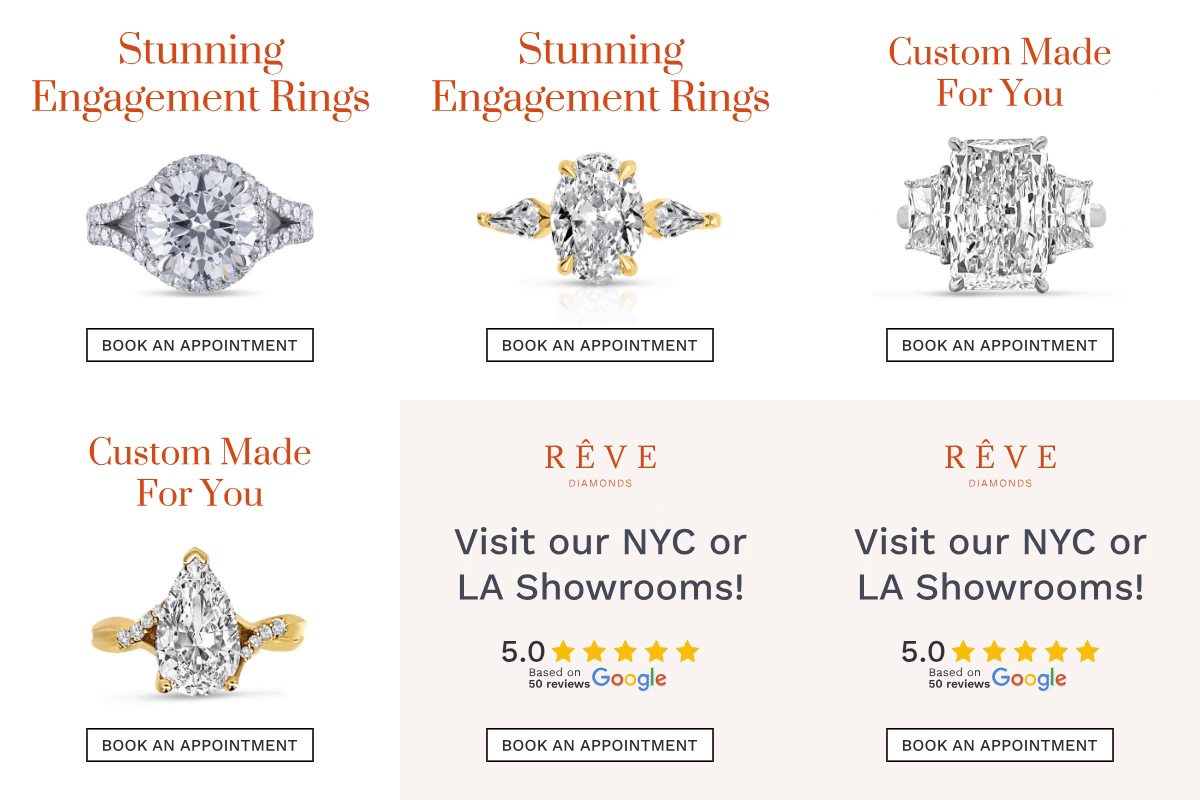
A one-carat diamond is a popular choice, but don’t be afraid to go a bit bigger or smaller depending on your budget. Fun fact: Diamonds are priced per carat, so the price jumps significantly when you move up to larger sizes. For those looking to make a statement, check out our large diamond rings for impressive options.
Cut: The Most Important C for Sparkle
The cut of a diamond is what gives it that wow factor. It’s about how well the diamond has been shaped to reflect light, creating that brilliant sparkle. Even a perfect diamond can look dull if it’s poorly cut. Round brilliant cuts are the most popular for a reason—they maximize the diamond’s shine. If you’re after sparkle, the cut is the most important C to consider.
Clarity: How to Spot Inclusions and Blemishes
Clarity measures the diamond’s internal flaws (inclusions) and surface blemishes. Most diamonds have tiny imperfections, but many are so small you’ll never see them without a microscope. Diamonds are graded from Flawless (no inclusions) to Included (visible flaws). For a great value, aim for diamonds in the VS1 to SI2 range—these have minor imperfections that are nearly invisible to the naked eye.
Color: From D to Z – Understanding Diamond Color Grading
Diamonds are graded on a scale from D (colorless) to Z (noticeable color). Colorless diamonds are the most prized, but near-colorless diamonds (G-H range) offer a similar look at a better price. Fancy colored diamonds, like pinks and blues, are graded on a different scale and are typically much more expensive.
Popular Diamond Shapes and Their Meanings
The shape of your diamond says a lot about your style. Here are some of the most popular shapes and what they represent:
Round Brilliant: The Classic Choice
The round brilliant cut is the most popular and classic diamond shape. It’s known for its incredible sparkle and lasting appeal, making it a favorite for engagement rings. If you’re unsure which shape to choose, you can’t go wrong with a round brilliant.
Princess Cut: A Modern Twist on Tradition
The princess cut is a square-shaped diamond with pointed corners, offering a modern yet elegant look. It’s the second most popular shape after the round brilliant, perfect for those who want something a little different but still traditional.
Cushion Cut: Vintage Elegance with a Modern Touch
With its soft, pillow-like shape and rounded corners, the cushion cut is both romantic and vintage-inspired. It’s perfect for those who love a blend of old-world charm and contemporary style.
Oval, Emerald, and Other Fancy Shapes
Oval diamonds are trendy right now, offering a unique shape with lots of brilliance. Emerald cuts are loved for their step-cut faceting, which gives them a sophisticated, mirrored look. Other fancy shapes like pear, marquise, and heart bring a unique flair to your ring.
Ring Settings and Styles: Finding the Perfect Fit
The setting of your diamond engagement ring is just as important as the diamond itself. Here’s a look at some popular settings:
Solitaire: Simplicity and Elegance
A solitaire setting features a single diamond on a plain band. It’s all about showcasing the diamond and is perfect for those who appreciate classic simplicity. For a look at our stunning range, explore our engagement ring collection.
Halo: Enhancing the Diamond’s Size and Sparkle
In a halo setting, small diamonds encircle the center stone, adding extra sparkle and making the main diamond look larger. This setting is perfect if you want a lot of shine without splurging on a bigger diamond.
Pavé, Three-Stone, and Other Popular Settings
Pavé settings feature tiny diamonds set closely together on the band, adding a glittering effect. Three-stone settings symbolize the past, present, and future of your relationship and offer a more unique, meaningful design.
Metal Types for Engagement Rings: Which One to Choose?
Choosing the right metal for your engagement ring band can change the entire look of the ring. Here’s a quick rundown of the most popular options:
Gold: Yellow, White, and Rose Gold Options
Gold is classic, versatile, and comes in various shades. Yellow gold has a lasting appeal, white gold is sleek and modern, and rose gold offers a romantic, vintage vibe. Each color brings its own charm, so it’s all about your personal style.
Platinum: The Ultimate in Durability and Luxury
Platinum is a popular choice for engagement rings because of its durability, hypoallergenic properties, and natural white luster. It’s more expensive than gold but is an excellent choice if you’re looking for something luxurious and long-lasting.
Alternative Metals: Silver, Titanium, and More
For a unique twist, consider alternative metals like silver, titanium, or even tungsten. These metals can be less expensive but may not have the same traditional appeal as gold or platinum.
Ethical Considerations: Lab-Grown vs. Natural Diamonds
More and more couples are considering the ethical implications of their diamond choices. Here’s what you need to know:
What are Lab-Grown Diamonds?
Lab-grown diamonds are created in a lab but have the same chemical, physical, and optical properties as natural diamonds. They’re typically 20-40% cheaper than mined diamonds and are considered a more ethical and eco-friendly choice. If you’re interested in sustainable options, explore our lab-grown diamonds for an affordable and ethical alternative.
Natural Diamonds: Timeless and Authentic
Natural diamonds have a unique appeal, having formed over billions of years deep within the Earth. They carry a sense of history and rarity that lab-grown diamonds can’t replicate, making them a timeless symbol of love.
Ethical Sourcing and Conflict-Free Diamonds
When buying a natural diamond, look for conflict-free stones that adhere to ethical sourcing standards, like those certified by the Kimberley Process. This ensures your diamond hasn’t been linked to human rights abuses.
Setting Your Budget: How Much Should You Spend?
Figuring out how much to spend on an engagement ring can be tricky. There’s no one-size-fits-all answer, but here are some tips to help:
Average Cost of Engagement Rings
In the U.S., the average spend on an engagement ring is around $5,000, but this can vary widely. Remember, it’s not about how much you spend but finding a ring that feels right for you and your partner.
Tips for Maximizing Your Budget
Consider buying just under popular carat weights (like 0.9 instead of 1 carat) or choosing a near-colorless diamond to save money without compromising on appearance. Also, shop sales or look at reputable online retailers for more competitive pricing.
Financing Options and Payment Plans
If the upfront cost is a concern, many jewelers offer financing options or payment plans. Just make sure you understand the terms and interest rates before committing.
Choosing a Reputable Jeweler: What to Look For
Whether buying online or in-store, it’s essential to choose a jeweler you trust.
In-Store vs. Online Retailers
Both have their pros and cons. In-store shopping lets you see the diamonds up close, but online retailers often offer a broader selection and better prices. Reputable online jewelers like Blue Nile and James Allen even provide high-resolution videos of their diamonds.
Checking Certifications and Guarantees
Always look for diamonds certified by recognized institutions like the GIA (Gemological Institute of America) or AGS (American Gem Society). These certificates verify the quality and authenticity of your diamond.
Customer Service and Aftercare
A great jeweler offers excellent customer service, warranties, and aftercare like resizing and cleaning. Make sure to read reviews and ask about return policies before making a purchase.
Customizing Your Engagement Ring: Making It Truly Yours
Want something truly one-of-a-kind? Consider customizing your ring!
Custom Design Process
Work with a jeweler to create a bespoke ring that reflects your style. This can involve choosing your own setting, diamond, and even adding personal touches like colored gemstones.
Personalized Engravings and Unique Touches
Many jewelers offer engraving services, allowing you to add a special message or date inside the band. Little details like this make the ring uniquely yours.
Ring Size: Getting the Perfect Fit
Getting the right size is crucial to ensure the ring fits perfectly.
How to Find Out Your Partner’s Ring Size Secretly
If you want the proposal to be a surprise, try borrowing a ring they wear on their ring finger or ask their friends or family for help. Some jewelers also offer adjustable or temporary sizing options.
Adjustable Rings and Resizing Services
Most rings can be resized, but it’s always better to get as close as possible to the correct size to avoid multiple adjustments.
Caring for Your Diamond Engagement Ring
Once you’ve found the perfect ring, you’ll want to keep it looking its best.
Cleaning and Maintenance Tips
Clean your ring regularly with a soft toothbrush and mild dish soap to keep it sparkling. Avoid harsh chemicals, and take your ring off when doing rough work or activities.
When to Get Your Ring Inspected
Have your ring inspected by a jeweler every six months to check for loose prongs or any signs of wear. This can help prevent damage and keep your ring secure.
Insuring Your Engagement Ring
Protect your investment by getting insurance. Many home insurance policies offer the option to add valuable jewelry, or you can purchase a separate policy specifically for your ring.
Choosing the perfect diamond engagement ring is a personal and exciting journey. By understanding the 4Cs, exploring different shapes and settings, and considering ethical options, you’re well on your way to finding a ring that represents your unique love story. Remember, the best ring isn’t necessarily the most expensive—it’s the one that feels right for you and your partner.
FAQs
How much should I spend on a diamond engagement ring?
There's no universal "right" amount — the old "two months' salary" rule was a marketing slogan from the 1930s. A more useful approach is to set a figure you can pay outright without taking on debt. In the US, the average engagement ring spend is $5,000–$7,000, but well-cut certified diamond rings start from $1,500 with lab-grown and $2,500 mined. The right number is whichever lets you give the ring without financial regret.
What are the 4Cs and which one matters most?
The 4Cs are cut, color, clarity, and carat weight — the standard grading framework used by the GIA, IGI, and every reputable jeweler. For most buyers, cut matters most because it determines how brilliantly the diamond reflects light. A well-cut diamond looks stunning even at modest color and clarity grades; a poorly cut diamond looks dull at any grade. After cut, prioritize color (stay in D-H for colorless-to-near-colorless), then clarity (SI1-SI2 is "eye-clean" without paying for invisible flaws), then carat.
Should I choose a lab-grown or mined diamond?
Both are real diamonds — chemically and optically identical. Lab-grown diamonds cost 60–70% less for the same carat and quality, which lets you buy a noticeably larger or higher-clarity stone for the same budget. Mined diamonds retain a stronger long-term resale market and historical significance. Most jewelers (Reve Diamonds included) stock both so buyers can choose based on their own priorities.
How do I make sure the engagement ring is the right size?
The most reliable method is to have the recipient sized at a jeweler before the proposal — many offer free, no-pressure ring sizing. If that would spoil the surprise, borrow a ring she already wears on her ring finger and bring it to a jeweler for sizing. Avoid guessing from photos or trying to measure a sleeping finger — both routinely produce 1–2 sizes off. A resize after proposal is straightforward and usually free for the first adjustment.


