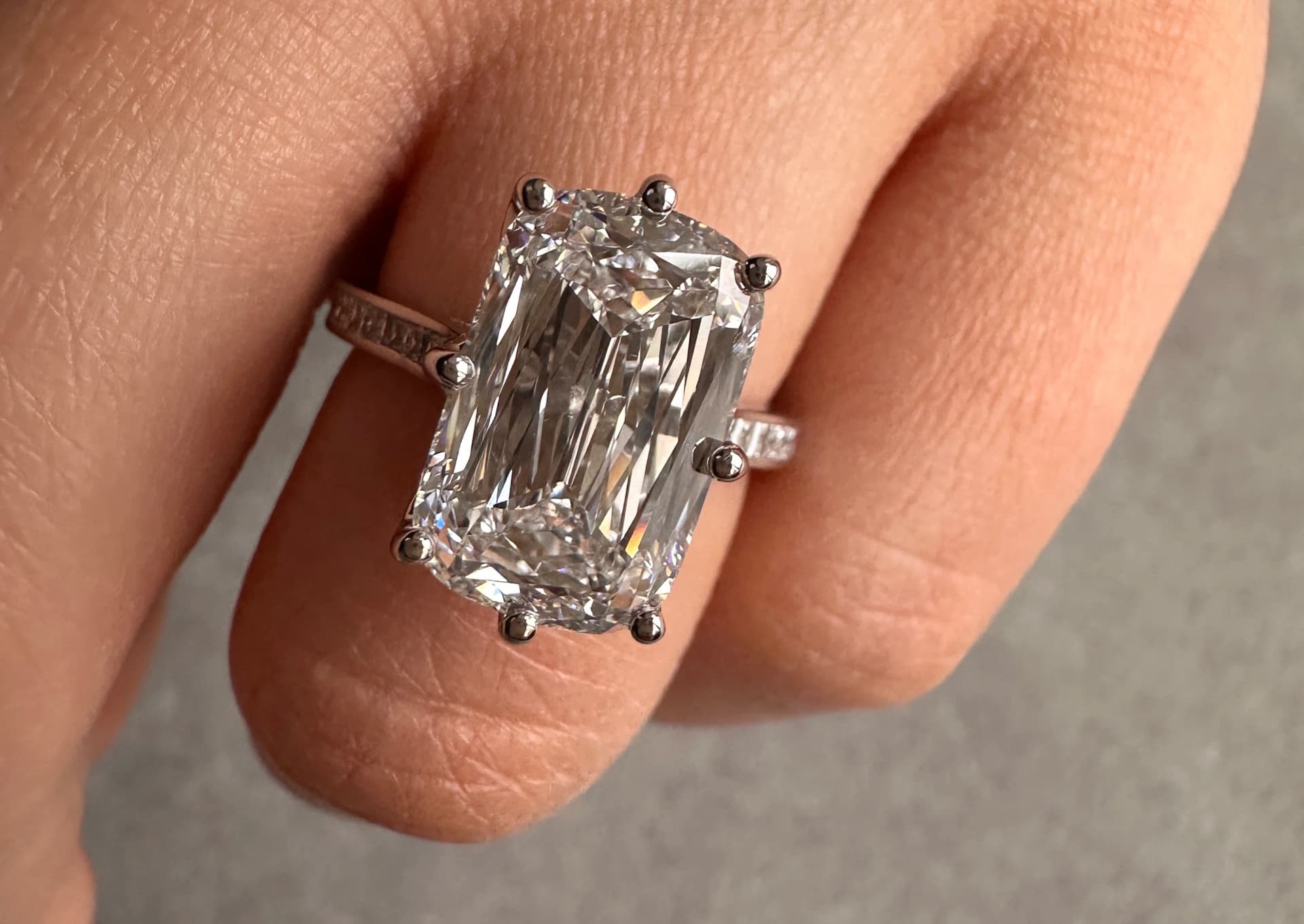
When searching for the perfect diamond, you might have come across the term "conflict-free."
But what does it really mean?
Let’s explore the world of conflict-free diamonds and why they matter.
Understanding the Term "Conflict-Free"
A conflict-free diamond is one that hasn’t been mined in areas controlled by forces opposing legitimate, internationally recognized governments, and hasn’t been used to fund armed conflict.
These diamonds are often referred to as “blood diamonds” due to their connection with violence and human rights abuses.
The Dark History of Conflict Diamonds
In the late 20th century, especially in African countries like Sierra Leone and Angola, the diamond trade was infamously tied to brutal civil wars.
Rebel groups would mine and sell diamonds to fund military operations, leading to prolonged conflict and suffering.
The Kimberley Process: A Step Toward Ethical Sourcing
To fight the flow of conflict diamonds, the international community established the Kimberley Process Certification Scheme (KPCS) in 2003.
This system aims to block conflict diamonds from the global market by enforcing strict controls over diamond production and trade.
Thanks to the Kimberley Process, an estimated 99.8% of diamonds on the market today are conflict-free.
Beyond Conflict-Free: Ethical Diamonds
While the Kimberley Process addresses conflict funding, it doesn't cover every ethical concern.
An “ethical diamond” goes further—ensuring fair wages, safe working conditions, environmentally responsible mining, and no human rights violations throughout the supply chain.
Alternatives to Traditional Diamonds
If you want a truly ethical option, consider these alternatives:
Lab-Grown Diamonds
Created in labs rather than mined from the earth, these diamonds are inherently conflict-free and eco-conscious.
They’re physically and chemically identical to natural diamonds.
For a full comparison, check out lab-grown diamonds vs gemstones.
Recycled Diamonds
Recycled diamonds come from pre-owned jewelry, reducing demand for new mining and promoting a circular, sustainable economy.
Gemstone Engagement Rings
For a colorful and ethical alternative, take a look at gemstone engagement rings, which offer beauty with lower environmental impact.
Ensuring Your Diamond Is Truly Ethical
When shopping for a diamond, here’s how to make a responsible choice:
Ask for Documentation
Request certificates and sourcing details that show where and how the diamond was mined or created.
Research the Retailer
Support jewelers who prioritize transparency and ethical practices.
For unique and conscious choices, explore non-traditional engagement rings.
Consider Other Options
Lab-grown, vintage, or gemstone rings can be equally meaningful—and far more ethical.
Frequently Asked Questions
What’s the difference between conflict-free and ethical diamonds?
Conflict-free diamonds aren’t tied to war or armed conflict. Ethical diamonds also guarantee fair labor, environmentally safe mining, and no exploitation.
Are lab-grown diamonds ethical?
Yes. Lab-grown diamonds don’t require mining and are generally considered more sustainable and conflict-free by design.
How do I know if a diamond is ethically sourced?
Look for clear documentation, ask questions about the diamond’s journey, and choose retailers that are transparent about sourcing.
Are ethical diamonds more expensive?
Not always. Lab-grown diamonds are often more affordable than mined ones while still offering the same brilliance and durability.
Is the Kimberley Process enough?
It’s a good start, but it has its flaws. The Kimberley Process doesn’t cover all human rights and environmental issues, so it's best to do additional research.
Conflict-free diamonds are mined and traded outside zones controlled by armed groups, certified by the Kimberley Process which covers roughly 99% of global rough by volume. The KP certifies origin but does not audit labor practices. For stronger ethical assurance, choose Canadian-origin stones, recycled diamonds, or lab-grown diamonds (no mining at all, roughly 80% less land use per carat, 60-80% lower cost).