When it comes to choosing the perfect stone for your jewelry, the decision between lab-grown diamonds and gemstones can be a tough one. Both options have their unique appeal, whether you're after the timeless sparkle of a diamond or the bold colors of a gemstone. But how do you make the right choice for your personal style, budget, and values? In this guide, we’ll break down the key differences between lab-grown diamonds and gemstones to help you decide which is best for you.
Lab-grown diamonds (Mohs 10) outlast every colored gemstone in daily-wear durability — ruby and sapphire are Mohs 9, emerald 7.5-8, opal 5.5-6.5. For colorless brilliance and resale, diamonds win; for color, character, and lower price (often $50-$1,000 per carat versus $1,200+ for fine lab-grown), gemstones win. A 1.00ct lab-grown ring in 14k white gold runs $1,200-$2,500.
What Are Lab-Grown Diamonds?
Lab-grown diamonds are real diamonds, created in a laboratory under conditions that replicate the natural diamond-forming process. These diamonds have the same physical, chemical, and optical properties as mined diamonds. They’re made using two main methods: Chemical Vapour Deposition (CVD) and High Pressure High Temperature (HPHT).
One of the major benefits of lab-grown diamonds is that they offer all the beauty of natural diamonds, often at a fraction of the price. They are also an environmentally and ethically friendly option, as they don’t involve the mining processes that can negatively impact the environment and communities. If you're looking for a diamond that offers value for money and peace of mind, lab-grown diamonds are a fantastic choice.
Understanding Gemstones: A Natural Alternative
Gemstones, on the other hand, are naturally occurring minerals that have been valued for their beauty, rarity, and durability for centuries. Popular gemstones include sapphires, rubies, and emeralds, each offering a vibrant range of colors and unique characteristics.
Unlike diamonds, which are primarily valued for their clarity and sparkle, gemstones stand out for their rich, deep colors. Whether it’s the royal blue of a sapphire or the intense green of an emerald, gemstones bring a splash of personality to any piece of jewelry. For those who want something more distinct and colourful, fancy colored gemstones are an attractive option.
Lab-Grown Diamonds vs Gemstones: Key Differences
When comparing lab-grown diamonds to gemstones, there are several factors to consider: appearance, durability, price, and ethics. Let’s explore how these two options stack up.
In terms of appearance, lab-grown diamonds have that classic sparkle and brilliance we associate with traditional diamonds. You can explore options like round lab-grown diamonds if you're interested in a timeless look. Gemstones, on the other hand, offer a broad spectrum of vivid colors, making them ideal for those who prefer a bolder look.
In terms of durability, lab-grown diamonds are the tougher option. Diamonds, whether mined or lab-grown, are the hardest substance on the Mohs scale, rated at 10, which means they can withstand everyday wear without scratching. Gemstones like emeralds or opals, while stunning, are softer and more prone to damage, making them less ideal for everyday rings or pieces that experience frequent wear.
Durability: How Long Will They Last?
Durability is an important factor, especially if you're choosing a stone for an engagement ring or a piece of jewelry you’ll wear every day. Lab-grown diamonds, like their natural counterparts, are incredibly hard and resistant to scratching or chipping, making them perfect for daily wear.
Gemstones, on the other hand, vary in hardness. For instance, sapphires and rubies are quite durable, ranking 9 on the Mohs scale, but stones like emeralds or pearls are softer and can be more susceptible to damage. If you're selecting a stone for a ring that will be worn often, a lab-grown diamond might be the better choice in terms of longevity.
Appearance: What Suits Your Style?
Lab-grown diamonds are perfect for those who love the timeless elegance and sparkle of diamonds. They’re classic and suit a variety of jewelry styles, from traditional solitaire rings to more contemporary settings. The brilliance and clarity of a well-cut diamond are unmatched, giving a piece of jewelry that timeless, luxurious feel. You can check out different shapes like princess cut or emerald cut diamonds to explore various styles.
Gemstones, on the other hand, are a great option if you prefer a pop of color and something a little more unique. The array of hues in gemstones allows you to personalize your jewelry and make a bold statement. Whether it’s a deep red ruby or a soft pastel-colored sapphire, gemstones offer an entirely different look.
Cost: Which Is More Affordable?
Cost is often a deciding factor when choosing between lab-grown diamonds and gemstones. Lab-grown diamonds are significantly more affordable than natural diamonds of the same size and quality. This makes them an excellent option if you’re looking to maximise your budget while still getting a beautiful, high-quality stone.
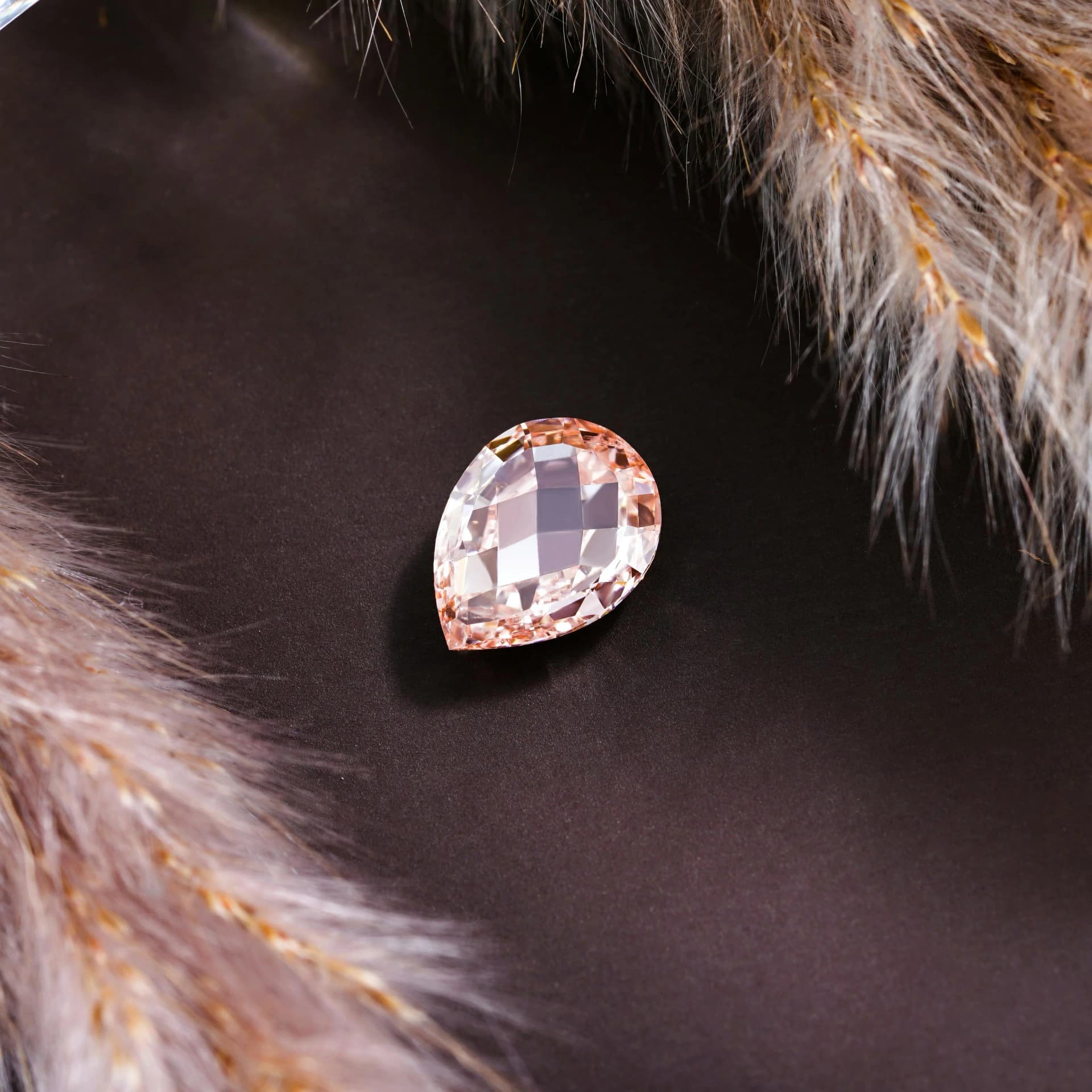
Gemstones, on the other hand, can vary greatly in price depending on their type, size, and quality. Some gemstones, like rubies and sapphires, can be just as expensive as diamonds, while others, like amethyst or topaz, tend to be more affordable. If you're working with a tighter budget, gemstones can offer more flexibility. To explore affordable options, you can browse lab-grown diamond shapes like pear or radiant diamonds.
Ethical and Environmental Impact: Making a Responsible Choice
Sustainability and ethics are important considerations for many buyers. Lab-grown diamonds are often viewed as the more ethical and eco-friendly choice because they do not require mining, which can lead to environmental degradation and unethical labour practices.
While some gemstones are ethically sourced, mining practices for natural gemstones can vary. It’s always worth checking with your jeweler to ensure the gemstone has been sourced responsibly. If reducing your environmental footprint is a priority, lab-grown diamonds are likely the better option. For a responsible choice, consider looking into fancy colored lab-grown diamonds.
Which Is Better for Engagement Rings: Lab-Grown Diamonds or Gemstones?
When it comes to engagement rings, both lab-grown diamonds and gemstones have their merits. Lab-grown diamonds are a popular choice due to their durability, lasting appeal, and the symbolism they carry as a traditional engagement ring stone.
However, gemstones are becoming an increasingly popular choice for those looking to break away from tradition and opt for something more personal and unique. Gemstones like sapphires, rubies, and emeralds are all beautiful alternatives for an engagement ring, each offering their own symbolism and meaning. Explore marquise lab-grown diamonds if you want a classic diamond ring, or add a gemstone for a pop of color.
Ultimately, the choice comes down to personal preference. If you want something classic and durable, a lab-grown diamond is the way to go. If you're looking for a more colourful and distinctive option, a gemstone could be the perfect choice.
Lab-Grown Diamonds and Gemstones in Fashion and Everyday Jewelry
Beyond engagement rings, both lab-grown diamonds and gemstones are popular choices in fashion and everyday jewelry. Lab-grown diamonds are perfect for classic pieces like stud earrings, tennis bracelets, and pendants. Their sparkle and lasting appeal make them ideal for creating versatile jewelry that can be worn daily or for special occasions.
Gemstones, with their vibrant colors, are fantastic for adding personality to your jewelry collection. From bold statement rings to delicate birthstone necklaces, gemstones bring life to everyday jewelry pieces. You can even mix and match gemstones with diamonds to create a truly unique look.
How to Choose Between Lab-Grown Diamonds and Gemstones
Making the decision between lab-grown diamonds and gemstones depends on several factors, including your personal style, how you plan to wear the jewelry, and your budget.
For those seeking a timeless and versatile look, lab-grown diamonds offer the perfect balance of luxury, durability, and ethical sourcing. If you prefer something bold, colourful, and unique, gemstones are an excellent way to express your personality. Don’t forget, you can also combine the two in custom pieces, mixing the brilliance of diamonds with the rich colors of gemstones for a striking, one-of-a-kind design.
FAQs
Are lab-grown diamonds real diamonds?
Yes, lab-grown diamonds are real diamonds. They have the same physical and chemical properties as natural diamonds, and they’re just as beautiful and durable.
What is the difference in price between lab-grown diamonds and gemstones?
Lab-grown diamonds are typically more affordable than natural diamonds but can be more expensive than certain gemstones. The price of gemstones varies depending on type, quality, and rarity.
Which is more durable for everyday wear, a gemstone or a lab-grown diamond?
Lab-grown diamonds are generally more durable than most gemstones. Diamonds score a 10 on the Mohs scale of hardness, making them the hardest material, while gemstones vary in durability.
Are lab-grown diamonds more ethical than natural gemstones?
Lab-grown diamonds are considered more ethical and eco-friendly because they do not require mining. Some natural gemstones can be ethically sourced, but it’s important to verify their origin.
Can I mix lab-grown diamonds with gemstones in a jewelry piece?
Absolutely! Many people choose to combine the sparkle of diamonds with the vibrant colors of gemstones to create custom jewelry that’s truly unique.
Which stone is best for engagement rings: lab-grown diamonds or gemstones?
The best stone for an engagement ring depends on your preferences. Lab-grown diamonds offer classic brilliance and durability, while gemstones provide a colourful, distinctive alternative. Both can make stunning engagement rings.
See the numbers for yourself: our natural vs lab-grown diamond price comparison matches any diamond in our stock with its lab-grown twin, so you can see the exact saving.