Why Choose Lab-Grown Diamonds?
Lab-grown diamonds have gone from a curiosity to a serious choice in our showroom over the last few years. People walk in asking for them by name, usually because they've worked out they can get a bigger, cleaner stone for the same money. Here's what we actually tell them when they ask why they should pick one.
What a lab-grown diamond actually is
A lab-grown diamond is a real diamond. It's grown in a controlled setting instead of being dug out of the ground, using one of two methods. High Pressure High Temperature (HPHT) copies the heat and pressure you'd find deep underground. Chemical Vapor Deposition (CVD) builds the crystal up in layers from a carbon-rich gas. Either way you get crystallized carbon in the same cubic structure as a mined diamond. It takes a few weeks rather than a billion years, but the material at the end is the same.
The same stone, chemically and optically
This is the part people find hardest to believe. A lab-grown diamond isn't an imitation like cubic zirconia or moissanite. It has the same hardness, 10 on the Mohs scale, the same way it bends light, the same sparkle. Put a lab-grown and a mined diamond of equal grade next to each other and no jeweler can tell them apart by eye. I can't, and neither can anyone else. The only way to know is specialist kit that picks up tiny differences in how the crystal formed. GIA and IGI grade lab-grown diamonds on the very same 4Cs, cut, color, clarity and carat, that they use for mined stones.
The ethics: where the stone comes from matters
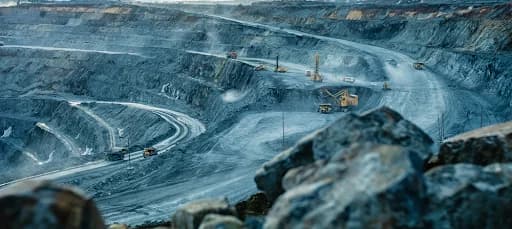
For plenty of our customers this is the real reason. With a lab-grown diamond you know exactly where it came from: a named facility and a traceable process, no mine involved. There's no question of it funding conflict, and none of the land or labor problems that have followed parts of the mining trade. It's about as clean a supply chain as you'll find in jewelry. Our lab-grown diamonds page runs through what we keep in stock.
The environmental picture, honestly
You'll see lab-grown sold as the green option, and there's truth in that. No pit mining, far less land disturbed, far less water shifted. But I'd be letting you down if I pretended the stones have no footprint at all. Growing a diamond takes a serious amount of energy, and how clean the stone is depends on where that energy comes from. One grown on renewable power is genuinely low-impact; one grown on a coal-heavy grid, less so. It's fairer to call them lower-impact than to call them zero-impact.
Cost and value
Money is usually where the conversation gets real. As a rough guide, a lab-grown diamond costs a good deal less than a mined stone of the same size and quality, often under half, sometimes closer to a third. A one-carat lab-grown of decent color and clarity might sit around $900 to $1,800 in our range, where the mined equivalent could be $5,000 or more. That gap is why people size up to a larger or cleaner stone without spending more.
Now the honest bit: don't buy one as an investment. Lab-grown prices have come down as production has scaled, and resale value is low, so you won't get much back if you sell. That's broadly true of mined diamonds at retail too, but it's more pronounced here. Buy a lab-grown diamond because you want to wear it, not because you expect it to grow in value. If you want the figures side by side, our price comparison lays them out.
Quality and certification
Treat certification as non-negotiable. A proper lab-grown diamond comes with a report from GIA or IGI that grades the 4Cs and states the stone is laboratory-grown in plain terms, and the girdle is usually laser-inscribed with the report number. Both labs are well established and both grade lab-grown consistently, though you'll see IGI reports on lab-grown more often than GIA. If you're weighing one report against the other, we went into whether the certificate changes what you're buying. For the groundwork, our lab-grown diamonds guide and GIA lab-grown page are good places to start.
Who they suit
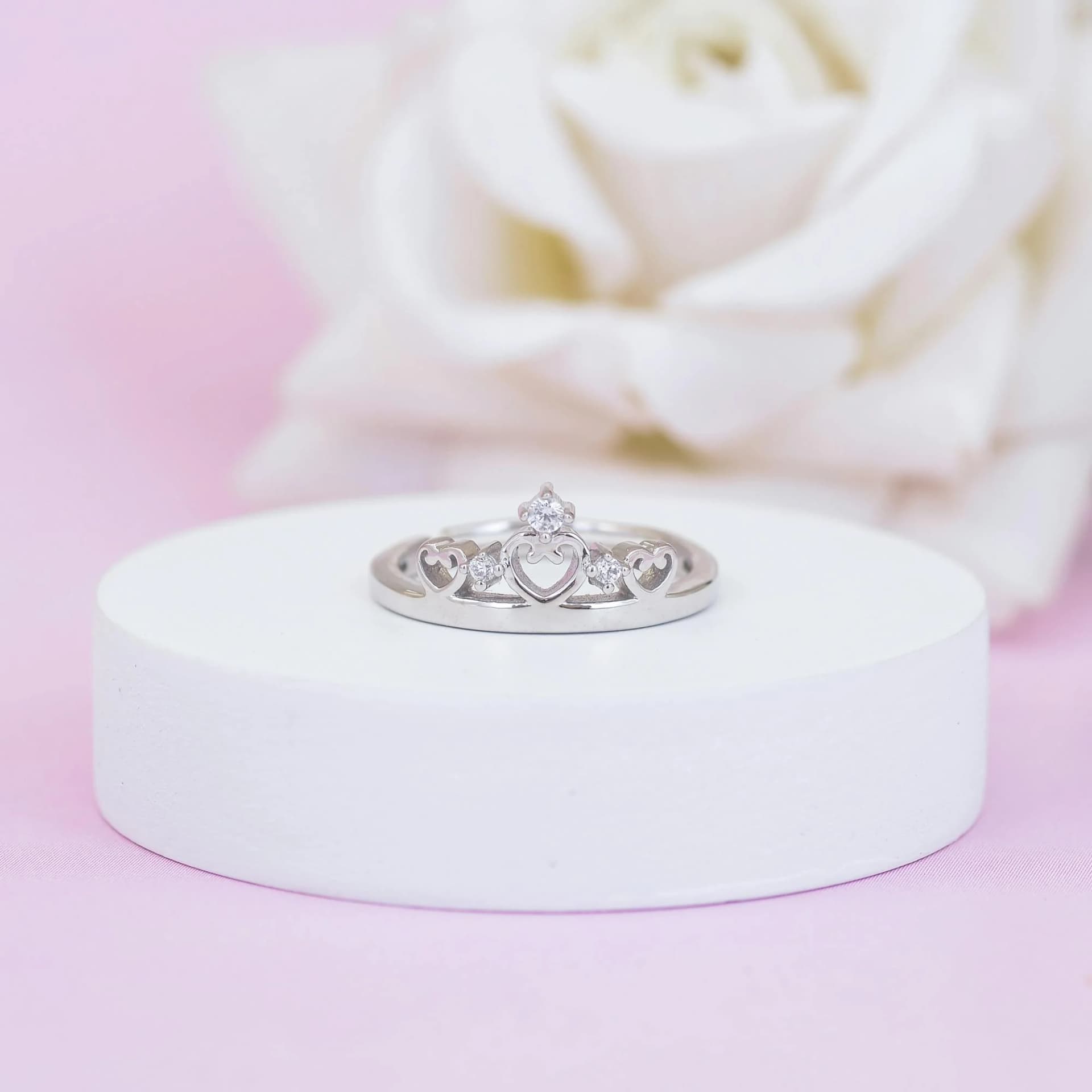
Lab-grown makes most sense if you want the most stone for your budget, if the ethics matter to you, or both. They're a popular pick for engagement rings, where couples would rather put the money into a bigger center stone or a nicer setting than into rarity. They work just as well for earrings and pendants, where you might want carat weight without the jump in price. The one person I'd point elsewhere is the buyer who specifically wants the rarity and long history of a mined stone. That's a preference lab-grown can't copy, and that's perfectly fair.
Frequently asked questions
Are lab-grown diamonds real diamonds?
Yes. They're made of the same crystallized carbon as mined diamonds and share the same physical, chemical and optical properties. GIA and IGI grade them as diamonds. The only real difference is origin: grown in a lab rather than pulled from the ground.
Are they actually more ethical?
In supply-chain terms, generally yes. A lab-grown stone is fully traceable and involves no mining, so there's no risk of it funding conflict and none of the mining-related land or labor issues. The main caveat is energy use, which varies from one producer to the next.
Do they hold any value?
Not really. Resale value on lab-grown diamonds is low, and prices have fallen as production has scaled. Buy one to wear and enjoy rather than as an investment. Mined diamonds hold value a little better at resale, but not by a huge margin.
Are they cheaper than mined diamonds?
Usually much cheaper, often less than half the price of a mined diamond of the same carat, color, clarity and cut. That's the main reason people choose them: a bigger or cleaner stone for the same spend.
Will people know it's lab-grown?
Not by looking. They're visually identical to mined diamonds, so nobody can tell by eye, jewelers included. The only proof is the certificate and the laser inscription on the girdle. What you tell people is up to you.
How are lab-grown diamonds made?
Two methods. HPHT recreates the heat and pressure found deep underground; CVD grows the crystal from a carbon-rich gas, layer by layer. Both produce a real diamond, in a matter of weeks.