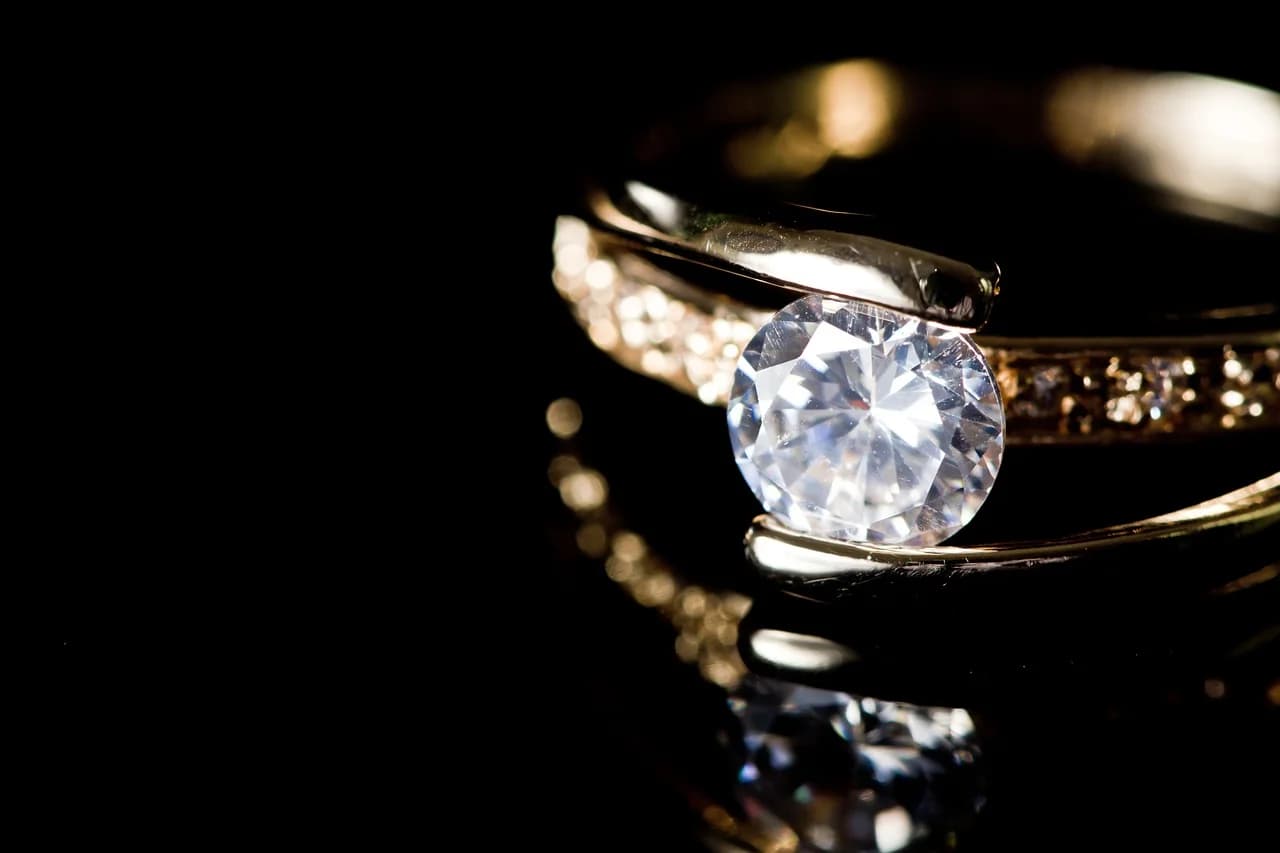
Choosing a diamond used to mean accepting a trade-off between beauty, budget and conscience. Lab-grown diamonds remove that compromise. They are physically identical to mined diamonds, cost dramatically less, and carry a far lighter ethical and environmental burden — which is why they now account for a fast-growing share of engagement ring purchases.
A lab-grown diamond is a real diamond with the same chemistry, hardness and sparkle as a mined stone, graded on the same 4Cs by GIA and IGI. It typically costs 40–70% less — often $1,200–$2,500 for a 1-carat versus $4,500+ mined — with a clear, conflict-free origin and a fraction of the land and water impact of mining. Same look, smaller price, cleaner conscience.
They Are Real Diamonds — Not Imitations
This is the point that surprises most first-time buyers: a lab-grown diamond is not a "fake" or a substitute like cubic zirconia or moissanite. It is crystallized carbon with the identical structure, refractive index and Mohs-10 hardness of a mined diamond. Grown using High Pressure High Temperature (HPHT) or Chemical Vapor Deposition (CVD), each stone is graded by the same independent labs — GIA and IGI — against the same standards. Start with our lab-grown diamonds collection to see the quality for yourself.
The Ethical Case
Because a lab-grown diamond is created in a known facility, its journey from origin to ring is transparent — there is no ambiguity about the supply chain behind it and no exposure to the conflict risk that certification schemes were designed to police. For couples who want a symbol of their relationship to be as clean in its story as it is on the finger, that clarity matters.
The Sustainability Case
Extracting a single carat from the earth can move tons of rock and draw heavily on local water. Growing a diamond avoids that land disruption entirely, uses far less water, and — with a rising number of producers powered by renewable energy — can be created with a much smaller carbon footprint. It is a meaningfully lighter-impact choice for a piece designed to last generations.
The Affordability Case
The savings are substantial and scale with size. A well-cut 1-carat lab-grown diamond commonly sells for roughly a third to a half of a comparable mined stone; at 2 carats the gap can widen to several thousand dollars. Most couples use that difference in one of two ways: buy a larger or higher-quality center stone for the same money, or keep the same size and put the savings toward the wedding bands or the honeymoon. See real like-for-like numbers in our natural vs lab-grown price comparison.
What About Resale Value?
It is worth being honest here: like most jewelry — mined diamonds included — a diamond ring is bought to be worn and treasured, not as an investment. Retail-to-resale drops apply across the board. The practical advantage of lab-grown is that you pay far less up front for the same enjoyment. We explore this in depth in do lab-grown diamonds hold value?
Is a Lab-Grown Diamond Right for You?
If you value size, quality and a transparent origin over the traditional cachet of mining, lab-grown is a straightforward win. If you are weighing both sides, our comparison — diamond engagement rings vs lab-grown diamonds — lays out the decision clearly, and our diamond education hub covers the 4Cs so you can shop with confidence. When you are ready, browse our engagement rings.
Frequently Asked Questions
Are lab-grown diamonds real diamonds?
Yes. They have the same chemical composition, crystal structure and physical properties as mined diamonds, and are graded as diamonds by GIA and IGI. The only difference is that they are grown above ground rather than mined.
Are lab-grown diamonds cheaper than mined diamonds?
Typically yes — 40 to 70% less for a comparable stone. A 1-carat lab-grown diamond often costs $1,200–$2,500 versus $4,500 or more for a similar mined diamond.
Are lab-grown diamonds more ethical and sustainable?
They offer a transparent, conflict-free origin and avoid the land disruption and heavy water use of mining, often with a much smaller carbon footprint — especially when grown using renewable energy.
