How to Identify a Genuine Moonstone: A Complete Guide for Buyers
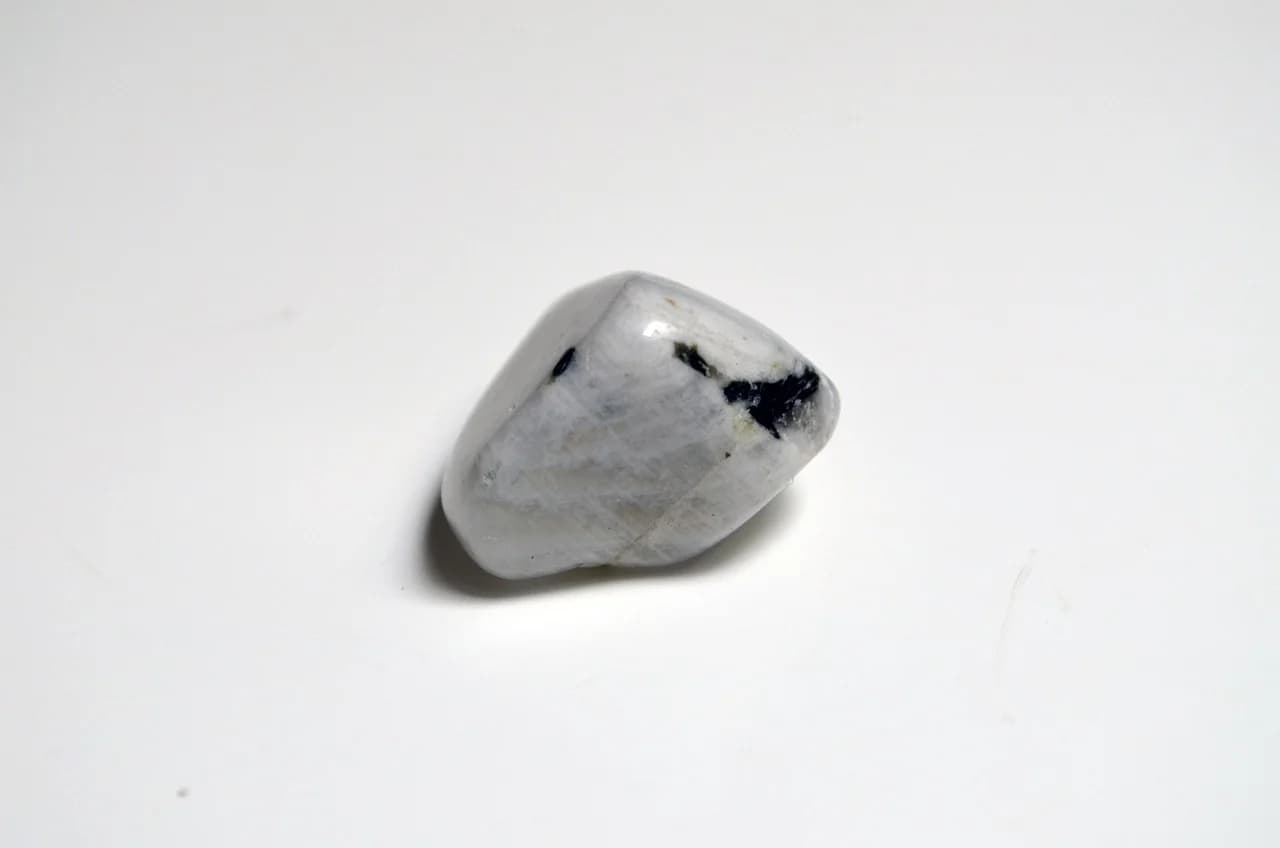
Moonstones have fascinated jewelry lovers for centuries with their soft glow and mystical charm.
In short: Genuine moonstone shows adularescence — a billowy blue or white light that floats across the stone as it tilts — caused by light scattering between orthoclase and albite feldspar layers. Mohs 6-6.5 hardness, refractive index 1.518-1.526. Top blue-sheen Sri Lankan cabs run $40-$300 per carat. Opalite glass and plastic imitations show static sheen and feel warm.
But with so many fakes on the market today, knowing how to tell if a moonstone is real can be tricky.
This guide walks you through everything you need to know to spot the real deal.
Understanding Moonstone
Moonstone is a gemstone from the feldspar group, best known for its dreamy optical effect called adularescence—a floating light that seems to glow from within the stone.
This glow comes from how light scatters through the stone’s internal layers of feldspar minerals.
Key Characteristics of Genuine Moonstone
Adularescence: The Signature Glow
The most defining feature of a real moonstone is its adularescence.
When light hits the stone, it should reflect a soft, moving glow, usually in blue or white tones.
This effect should shift as you tilt the stone—fakes often miss this dynamic shimmer.
Color and Clarity
Real moonstones come in shades like white, gray, peach, green, and brown—some are even colorless.
The most prized ones are clear with a strong blue glow.
