Black diamonds have captivated jewelry lovers with their mysterious allure and bold appearance.
But a common question comes up: are black diamonds real?
The answer is yes—absolutely.
Black diamonds are genuine diamonds, but they differ quite a bit from traditional colorless ones in how they form, how they look, and how they’re valued.
This guide breaks down everything you need to know about black diamonds, including their origins, types, value, and care.
Introduction to Black Diamonds
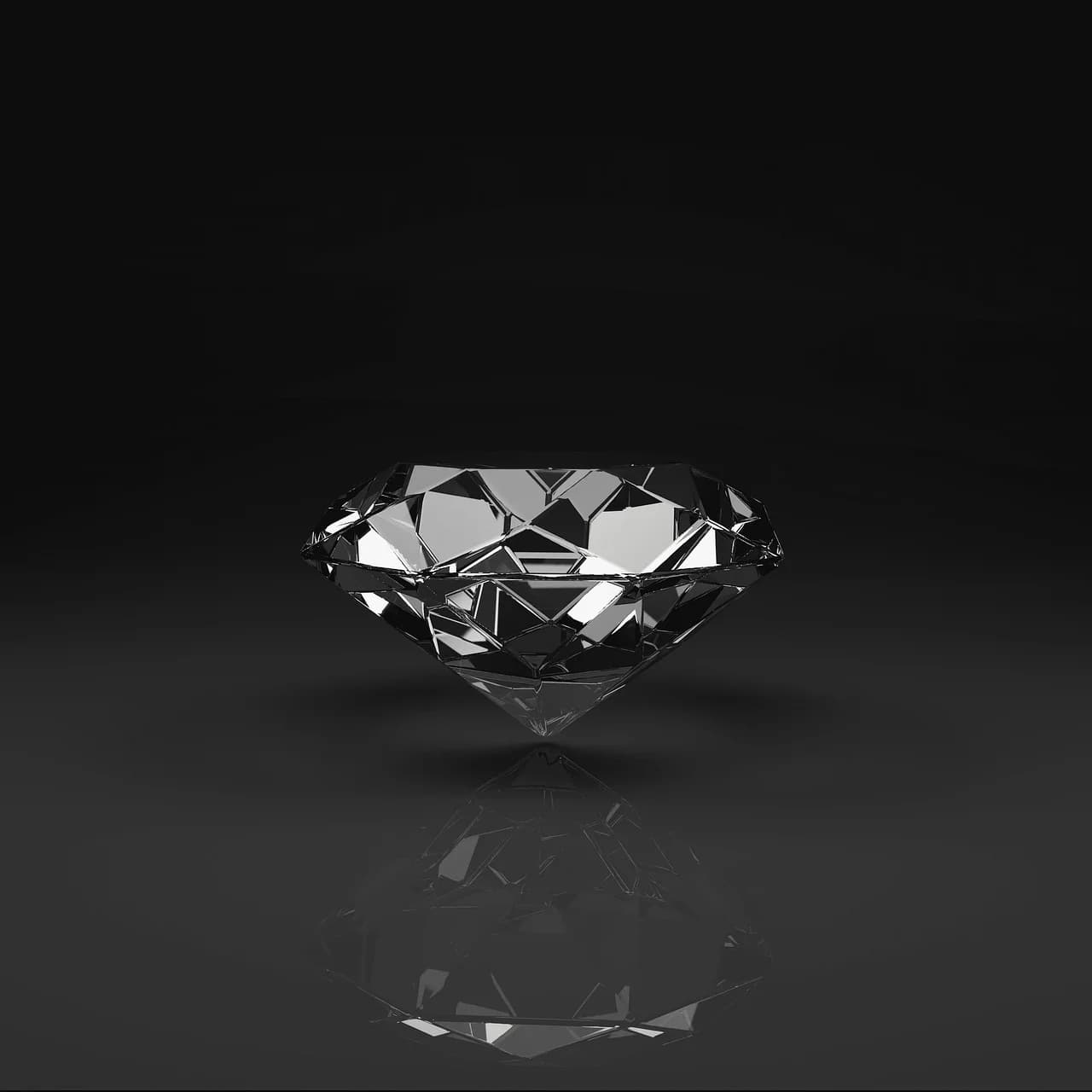
Black diamonds—also known as carbonado—are a polycrystalline form of diamond made up of diamond, graphite, and amorphous carbon.
Unlike colorless diamonds, which are transparent and sparkle brilliantly, black diamonds are opaque with a deep, rich tone that sets them apart.
Their unconventional beauty has made them increasingly popular in modern jewelry design, especially among those looking for something unique and expressive.
Understanding Black Diamonds
Black diamonds are indeed real diamonds with the same chemical makeup as traditional ones.
What makes them different is the presence of heavy inclusions, especially graphite, which give them their dark color and absorb light instead of reflecting it.
This results in a matte or metallic look rather than the sparkle you might expect from a classic diamond.
Origins of Black Diamonds
The origins of black diamonds are fascinating and still somewhat mysterious.
Unlike typical diamonds formed deep within Earth’s mantle, black diamonds may have originated in space and arrived on Earth via meteorites, according to one theory.
Another possibility is that they formed under intense pressure on Earth’s surface billions of years ago.
Most natural black diamonds today are found in Brazil and the Central African Republic.
Types of Black Diamonds
There are three main types of black diamonds:
- Natural Black Diamonds (Carbonado): These diamonds are naturally black due to their unique structure and mineral makeup. They are rare and completely untreated.
- Treated Black Diamonds: These start as lower-grade white diamonds and are heat-treated or irradiated to produce a black color. They are real diamonds but altered by human processes.
- Lab-Created Black Diamonds: These are synthetic diamonds created in a lab environment. They mimic the appearance and chemical structure of natural black diamonds but are man-made.
Identifying a Real Black Diamond
It can be tricky to tell the difference between natural, treated, and fake black diamonds.
Here are some signs to look for:
- Surface Appearance: Natural black diamonds often have a high-luster, metallic surface that feels smooth to the touch.
- Inclusions: Most black diamonds contain many inclusions. Natural ones have a dense, scattered pattern, while treated ones often look more uniform.
- Certification: Always ask for a certificate from a respected gem lab, especially when purchasing a high-value piece.
Value and Rarity of Black Diamonds
Despite their rarity, black diamonds typically cost less than traditional white diamonds.
This is because they’re harder to cut and polish, and they lack the brilliance many people associate with diamonds.
Treated black diamonds are more common and affordable, while natural black diamonds are rarer and more expensive.
For a deeper comparison, check out this guide on lab-grown diamonds vs gemstones.
Popular Uses in Jewelry
Black diamonds are a statement-maker in any setting and are widely used in:
- Engagement Rings: These diamonds make a bold, romantic choice. Check out non-traditional engagement rings for inspiration.
- Men’s Jewelry: From rings to cufflinks, black diamonds add a sleek, masculine edge. Browse gemstone engagement rings for unique styles.
- Statement Pieces: Their dark hue creates a dramatic contrast, especially when paired with white diamonds. Explore our curated gemstone ring collection.
Care and Maintenance
Black diamonds are durable, but their many inclusions can make them more prone to surface damage during cutting or wear.
- Cleaning: Use warm water, a mild detergent, and a soft brush. Avoid ultrasonic and steam cleaners, especially for treated diamonds.
- Storage: Keep black diamond jewelry in a separate pouch or box to prevent scratching other pieces.
- Maintenance: Have the settings checked regularly by a jeweler to make sure the stone is secure.
Buying Guide
If you're thinking about buying a black diamond, keep these tips in mind:
- Get Certified: Request grading reports that confirm whether the diamond is natural or treated.
- Shop Smart: Work with reputable sellers who are transparent about stone origins and treatments.
- Compare Options: Check out this guide on how diamonds are formed for more background before making a purchase.
FAQs About Black Diamonds
Are black diamonds more expensive than white diamonds?
Generally, no. Even though they’re rarer, they tend to be more affordable due to lower demand and lack of sparkle.
Do black diamonds sparkle?
Not in the traditional way. They absorb light, giving them a glossy, metallic sheen rather than the brilliant sparkle of clear diamonds.
Are black diamonds good for engagement rings?
Absolutely. They’re symbolic of strength and individuality and make a bold statement. See some stunning options among our non-traditional engagement rings.
Can black diamonds be fake?
Yes. Some black stones like onyx or synthetic materials can be passed off as diamonds. That’s why certification is key.
Are black diamonds durable?
Yes, but their many inclusions make them slightly more fragile during the cutting process. Once set, they’re very suitable for daily wear.
Yes — black diamonds are real diamonds (pure carbon, Mohs 10) colored by graphite and hematite inclusions rather than D-Z grading. Most commercial stones are heat-treated for uniform color. A 1.00ct round black diamond costs $250-$850 in US 2025 pricing, versus $7,500+ for white D/VS1 natural. They suit modern halo and bezel settings; opacity means no internal sparkle, only surface lustre and dramatic contrast against white metals.