Are Lab-Grown Diamonds Better for the Environment?
Mostly yes, but not in the spotless way the marketing suggests. Lab-grown diamonds have a real environmental edge over mined ones in some areas and a more complicated story in others. Here's the honest version, without the greenwashing, from a jeweler who sells them and won't pretend they're perfect.
The claim, and the catch
You'll see lab-grown sold as the guilt-free, eco choice. There's truth in it, but it's oversold. The fair way to describe a lab-grown diamond is lower-impact, not zero-impact. Anyone telling you a diamond of any kind leaves no mark on the planet is selling, not explaining.
What mining actually costs
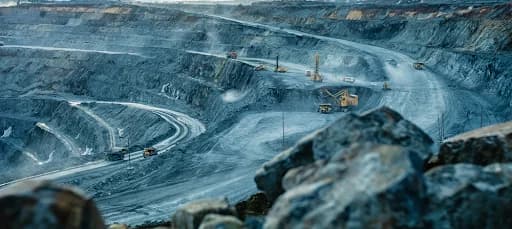
Digging diamonds out of the ground is heavy work. Pit mining shifts enormous volumes of earth, disturbs large areas of land, and uses a lot of water and energy in the process. Some operations are far better run than others, and the industry has cleaned up in places, but the physical footprint of moving that much rock to find a few carats is simply large.
Where lab-grown does better
Growing a diamond skips all of that. No pit, no tailings, far less land disturbed and far less water moved about. Because the stone comes from a named facility rather than a hole in the ground, the supply chain is fully traceable too, which matters if you care where your diamond has been. On land and water, lab-grown genuinely wins. You also avoid the knock-on effects on mining communities and land that has to be restored afterward.
The honest catch: energy
Here's the part the ads skip. Growing a diamond takes a serious amount of energy, because you're recreating extreme heat and pressure or running a plasma for weeks. How clean that diamond really is depends almost entirely on where that energy comes from. A stone grown on renewable power is a genuinely low-impact product; one grown on a coal-heavy grid, much less so. Producers vary enormously, and that's the number that actually decides the footprint. As a rough rule, the more openly a producer talks about its energy source, the more likely it is to be a clean one; vagueness usually means a grid you wouldn't brag about. If you want to understand why the process is so energy-hungry, our guide to how they're made explains it.
Be wary of the statistics
You'll see big numbers thrown around: a lab-grown diamond uses so much less carbon, mining moves so many tons of earth per carat. Some come from solid independent studies; plenty come from marketing on both sides. Mined-diamond bodies fund research that flatters mining, and lab-grown sellers fund research that flatters growing. Treat any single dramatic figure with caution, check who paid for it, and look at the overall direction rather than the decimal points.
So what's the real verdict?
On balance, a lab-grown diamond is the lower-impact choice, and clearly so when it's grown on clean energy. But treat blanket claims like 'carbon neutral' or 'zero impact' with a hard look, because unless a producer can back them up, they're marketing. The honest position is that lab-grown is easier on the planet than mining in most respects, not that it's free of consequence. For most people who care about this, choosing lab-grown and asking a couple of pointed questions about how it was grown is a meaningfully better decision than buying mined without thinking about it at all.
How to buy the greener option
If the environment is your reason for going lab-grown, a couple of things help. Ask how and where the stone was grown, and favor producers who use renewable energy. Insist on a GIA or IGI certificate so the origin is documented. And buy something you'll keep and wear for years, because the greenest diamond is the one that doesn't get replaced. Our lab-grown vs natural guide weighs the two up in full, and why choose lab-grown diamonds makes the wider case.
Who they suit
If a smaller environmental footprint and a clean supply chain matter to you, lab-grown is the easier diamond to buy with a clear conscience, especially for engagement rings you'll wear every day. If you'd rather see the range, the lab-grown diamonds collection is the place to start.
Frequently asked questions
Are lab-grown diamonds better for the environment?
In most respects, yes. They avoid pit mining and use far less land and water. The main caveat is energy: how clean a lab-grown diamond is depends on whether it's grown on renewable or fossil-fueled power.
Are lab-grown diamonds eco-friendly?
They're lower-impact than mined diamonds, but not impact-free. It's fair to call them the greener option, not a zero-footprint one, and the footprint varies a lot by producer.
Do lab-grown diamonds use a lot of energy?
Yes. Recreating the heat and pressure to grow a diamond, or running a plasma chamber for weeks, is energy-intensive. That's why the energy source matters so much to the overall footprint.
Are lab-grown diamonds carbon neutral?
Some producers claim to be, but treat blanket 'carbon neutral' claims with caution unless they're backed by evidence. Many lab-grown diamonds are not, particularly those grown on fossil-heavy grids.
Is mining worse for the planet than growing diamonds?
Generally, mining has the heavier footprint on land and water. Whether lab-grown comes out ahead overall depends mainly on the energy used to grow the stone.
Are lab-grown diamonds truly sustainable?
They're a more sustainable choice than mined diamonds in several ways, but 'truly sustainable' is a stretch for any diamond. Buying one you'll keep for years is the most sustainable thing you can do.