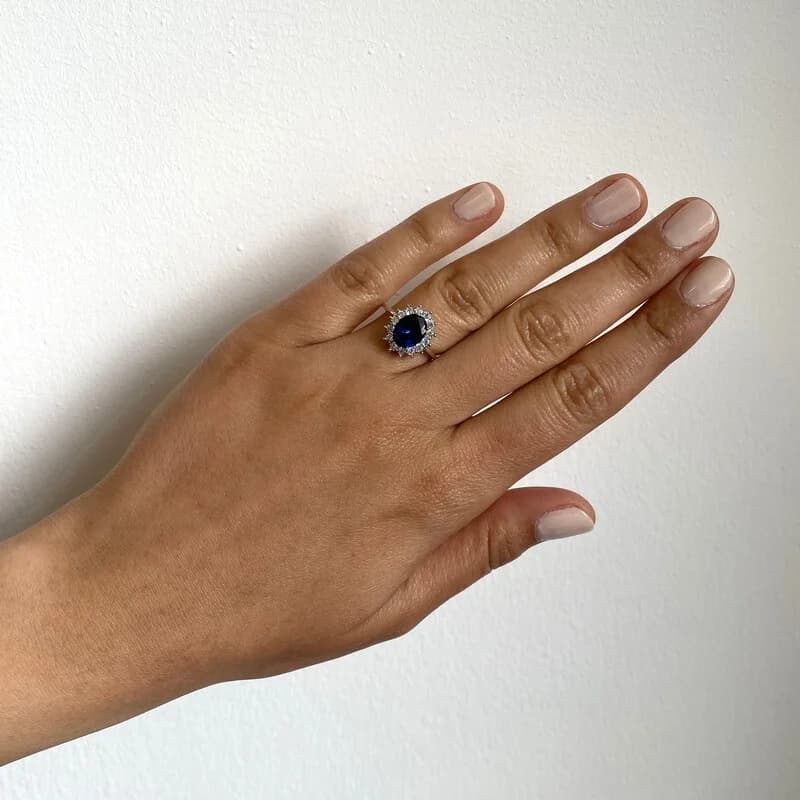
Which hand and finger should an engagement ring go on? It's one of the most common questions couples ask, and while there's a widely followed tradition, there's also plenty of room for personal choice and cultural variation. This guide covers where the custom comes from, how it differs around the world, and practical tips for choosing the finger that's right for you.
In the United States and much of the world, the engagement ring is traditionally worn on the fourth finger (the ring finger) of the left hand, thanks to the old belief in a "vein of love" running to the heart. But customs vary — in many countries the right hand is preferred — and ultimately comfort, culture, and personal preference should guide your choice.
The tradition and where it comes from
The custom of wearing an engagement ring on the fourth finger of the left hand dates back to ancient Rome. People believed this finger contained the "vena amoris," or vein of love, running directly to the heart. Although we now know every finger has similar blood vessels, the romantic symbolism endured — and it's why the left ring finger became the default in the United States, the United Kingdom, and many other countries.
How customs vary around the world
The left-hand tradition is far from universal. In countries such as Germany, Russia, India, and much of Eastern Europe and Scandinavia, the engagement or wedding ring is commonly worn on the right hand. Religious and cultural practices influence the choice too. There's no single "correct" answer — what matters is the meaning it holds for you and your partner.
Engagement ring and wedding band together
After the wedding, many people wear both rings on the same finger, with the wedding band placed closest to the heart and the engagement ring stacked above it. Some slip the band on first during the ceremony for exactly this reason. Others move the engagement ring to the right hand on the wedding day so the band goes on alone, then restack afterward. Any of these approaches is perfectly acceptable — choose what feels right and looks best to you.
Practical tips for choosing a finger
Comfort and lifestyle matter. If you're left-handed or work with your hands, you might prefer wearing your ring on the less-dominant hand to reduce knocks and wear. Finger size can fluctuate with temperature and time of day, so have your ring sized when your hands are at a normal temperature. And consider how the ring will sit alongside an eternity ring later on — leaving room for future stacking is a thoughtful touch.
Making it personal
The "rules" are really just traditions, and plenty of couples happily break them. What counts is choosing a ring you love and wearing it in the way that feels most meaningful. If you're still selecting the ring itself, browse our engagement rings and lab-grown diamonds, and for help choosing a stone, our carat weight guide is a great starting point.
Frequently asked questions
Which finger is the engagement ring finger?
Traditionally the fourth finger (ring finger) of the left hand in the United States, though the right hand is customary in many other countries.
Can I wear my engagement ring on my right hand?
Absolutely. Many cultures do, and it's also a practical choice if you're left-handed or want to protect the ring during daily activities.
Which ring goes on first, engagement or wedding?
Commonly the wedding band is worn closest to the heart, with the engagement ring stacked above it — but the order is entirely up to you.


