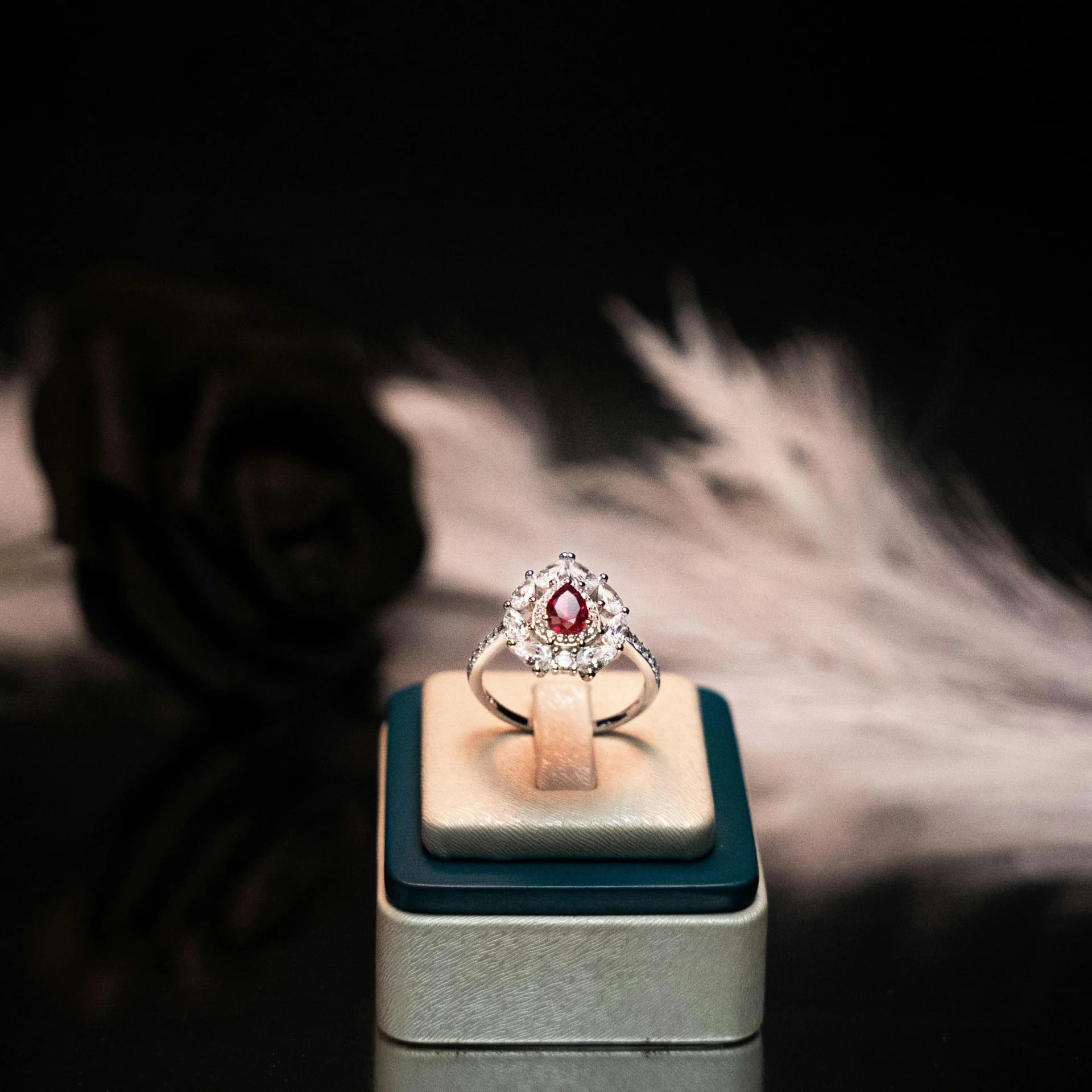
Lab-grown diamonds are quickly becoming the go-to choice for ethical and eco-conscious buyers. They’re stunning, sustainable, and often more affordable than their natural counterparts. But just like natural diamonds, ensuring authenticity and quality is key when buying a lab-grown diamond.
Lab-grown diamond certification from IGI or GIA grades the same 4Cs as mined stones — cut, color, clarity, carat — and includes a girdle-inscribed serial matching the report. IGI dominates lab-grown grading by volume; GIA reports cost more but carry greater resale weight. A current report adds $50-$150 to the stone price and is essential for US insurance and resale.
This is where lab-grown diamond certification comes in. A certification guarantees that your diamond is exactly as described and offers peace of mind for your investment.
Let’s explore what lab-grown diamond certification is, why it matters, and how you can make sure you’re getting a genuine, high-quality stone.
What Is a Lab-Grown Diamond Certification?
A lab-grown diamond certification is an official document issued by a reputable gemological institute after evaluating the diamond. Think of it as a report card for your diamond, detailing its key characteristics and quality.
This certification confirms the diamond’s authenticity—verifying that it’s truly lab-grown—and provides a breakdown of essential attributes like cut, clarity, color, and carat weight.
For buyers, this document ensures full transparency and trust in their purchase. If you’re looking for round lab-grown diamonds, check out the available options.
Why Certification Is Important for Lab-Grown Diamonds
You might be wondering why certification matters for lab-grown diamonds. After all, they’re made in controlled environments. But certification plays a big role in protecting buyers and ensuring value.
- Authenticity: Certification guarantees the diamond is lab-grown and not natural or synthetic imitation. It eliminates any confusion or misrepresentation.
- Transparency: A certified diamond includes a full breakdown of its quality, giving you confidence in what you’re buying.
- Resale Value: Should you decide to resell or upgrade your diamond, a certified stone will hold more value and trust in the market.
- Peace of Mind: Certification takes the guesswork out of the buying process. You know exactly what you’re getting.
For buyers interested in fancy colored lab-grown diamonds, check out vibrant and unique options.
What a Lab-Grown Diamond Certificate Includes
A lab-grown diamond certificate evaluates the same key attributes as natural diamonds. These are commonly referred to as the 4Cs:
- Cut: How well the diamond has been shaped and polished, influencing its sparkle and brilliance.
- Clarity: An assessment of any inclusions (internal flaws) or blemishes (surface flaws).
- Color: Diamonds are graded on their lack of color. A completely colorless diamond is considered the highest quality.
- Carat Weight: The size and weight of the diamond, which directly affects its price.
If you prefer a unique cut, explore options like the emerald lab-grown diamond search or the cushion lab-grown diamond search.
Top Gemological Institutes Certifying Lab-Grown Diamonds
Several trusted gemological institutes provide certifications for lab-grown diamonds. Here are the leading names to look for:
- IGI (International Gemological Institute): The first to certify lab-grown diamonds with highly detailed and trusted reports.
- GIA (Gemological Institute of America): Known for strict grading standards, GIA clearly distinguishes lab-grown diamonds from natural ones.
- AGS (American Gem Society): Focuses on cut grading and scientific diamond analysis.
When buying a princess-cut lab-grown diamond, ensure it comes with a certification from these trusted institutes.
How to Read a Lab-Grown Diamond Certificate
A lab-grown diamond certificate may look complex at first, but understanding it is simpler than you think. Here’s what to focus on:
- Grading Report Number: A unique number that links to your diamond’s certification.
- Diamond Measurements: Details on the diamond’s dimensions and proportions.
- The 4Cs: A breakdown of cut, clarity, color, and carat weight.
- Origin: The certificate will specify that the diamond is “laboratory-grown.”
For those interested in timeless options, check out the oval lab-grown diamond search.
Ensuring Your Lab-Grown Diamond Is Certified
To make sure your diamond is certified and authentic:
- Buy from Reputable Jewelers: Always purchase from jewelers who provide a valid certificate.
- Verify the Certificate: Check the grading report number with the issuing institute.
- Avoid Red Flags: Uncertified diamonds or vague claims should raise concerns.
Explore the pear lab-grown diamond search for stunning certified options.
Frequently Asked Questions (FAQs)
What is the most trusted certification for lab-grown diamonds?
Lab-grown diamond certification is your guarantee of authenticity, quality, and peace of mind. By choosing certified diamonds, you ensure transparency, trust, and lasting value in your purchase.
For beautiful and certified options, check out the lab-grown diamonds collection to find your perfect match.
