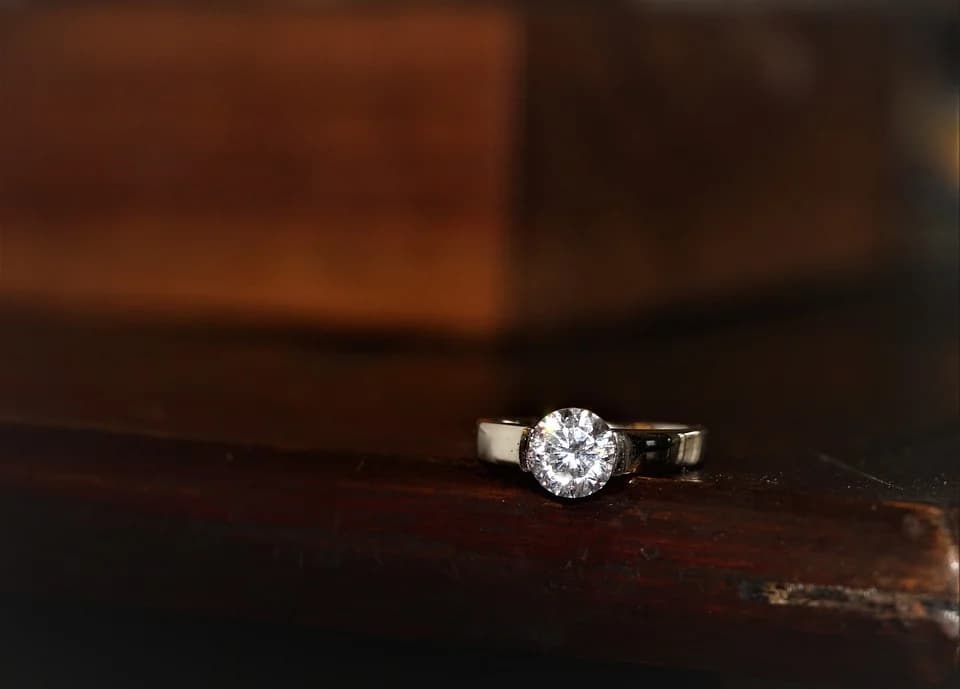
A lab-grown diamond is chemically, physically, and optically identical to a mined diamond, which means it is just as hard, just as brilliant, and just as deserving of good care. Caring for one is simple once you know the routine, and a few small habits will keep your stone looking as bright as the day you first wore it.
Lab-grown diamonds are a perfect 10 on the Mohs hardness scale, so they resist scratching, but skin oils, lotions, and everyday grime dull their sparkle. Clean yours every few weeks in warm water with a little mild dish soap and a soft brush, keep it away from harsh chemicals and hard knocks, store it separately, and have the setting professionally checked once or twice a year.
Why a lab-grown diamond still needs care
The diamond itself is almost indestructible, but the sparkle you actually see depends on light passing cleanly through the stone. A thin film of hand cream, sunscreen, or cooking oil scatters that light and makes even a flawless diamond look flat. The metal setting that holds your stone is also softer than the diamond, so prongs can bend and wear over time. Good care is really about protecting the setting and keeping the surface clean.
Everyday habits that protect your diamond
- Apply lotion, perfume, and sunscreen before you put your ring on, and let it absorb fully.
- Take your ring off before the gym, gardening, cleaning, or DIY, where knocks and chemicals do the most damage.
- Avoid touching the diamond with your fingers; hold jewelry by the band or edges to keep oils off the stone.
- Remove rings before swimming, as chlorine and salt water can slowly corrode gold and platinum alloys.
How to clean a lab-grown diamond at home
You do not need special products. A gentle soak once every couple of weeks keeps most jewelry sparkling:
- Fill a small bowl with warm (not hot) water and add a few drops of mild, non-abrasive dish soap.
- Soak the piece for 20 to 30 minutes to loosen built-up oils.
- Gently scrub the diamond and setting with a soft, clean toothbrush, paying attention to the underside of the stone where grime collects.
- Rinse under warm running water, holding the piece over a mesh strainer so nothing slips down the drain.
- Pat dry with a lint-free or microfiber cloth and let it air-dry fully before storing.
What to avoid
- Chlorine bleach, ammonia in high concentrations, and abrasive household cleaners, which pit and discolor precious metals.
- Toothpaste and baking soda, which are abrasive enough to scratch gold and dull a polished finish.
- Ultrasonic cleaners for pieces with looser or older settings; the vibration can shake a stone loose even though the diamond itself is unharmed.
Professional cleaning and inspections
Once or twice a year, have your jeweler steam-clean the piece and inspect the setting under magnification. This is the best time to catch a worn prong before a stone is lost, and it costs far less than a replacement. If you wear an engagement ring or wedding band every day, treat this like servicing a car: a small routine check prevents an expensive surprise.
Storing your diamond safely
A diamond is the only thing hard enough to scratch another diamond, so never toss several pieces into one box. Keep each item in its own soft pouch or a lined compartment. This matters just as much for diamond earrings, pendants, and eternity rings, whose stones can rub against one another and against softer gemstones.
Caring for the setting and metal
White gold is usually finished with rhodium plating that can wear thin after a year or two of daily wear, leaving a faint yellow tint. A quick re-plating restores the bright white look. Platinum develops a soft matte patina that many owners love, but it can be re-polished to a high shine on request. Learn more about metals and diamond quality in our diamond education guide.
Frequently asked questions
How often should I clean my lab-grown diamond?
Every two to three weeks if you wear it daily. A quick soak and soft-brush clean is enough to stop oils and lotion from dulling the sparkle between professional cleanings.
Are ultrasonic cleaners safe for lab-grown diamonds?
The diamond itself is unaffected, but ultrasonic vibration can loosen stones in older or delicate settings. If your setting is secure and modern it is generally fine, but when in doubt, stick to warm soapy water or ask your jeweler.
Do lab-grown diamonds lose their sparkle over time?
No. Because they are true diamonds, they do not cloud, fade, or wear down. Any loss of sparkle is surface dirt that cleans straight off.
Ready to start your own collection? Explore our full range of lab-grown diamond jewelry and engagement rings at Rêve Diamonds.


