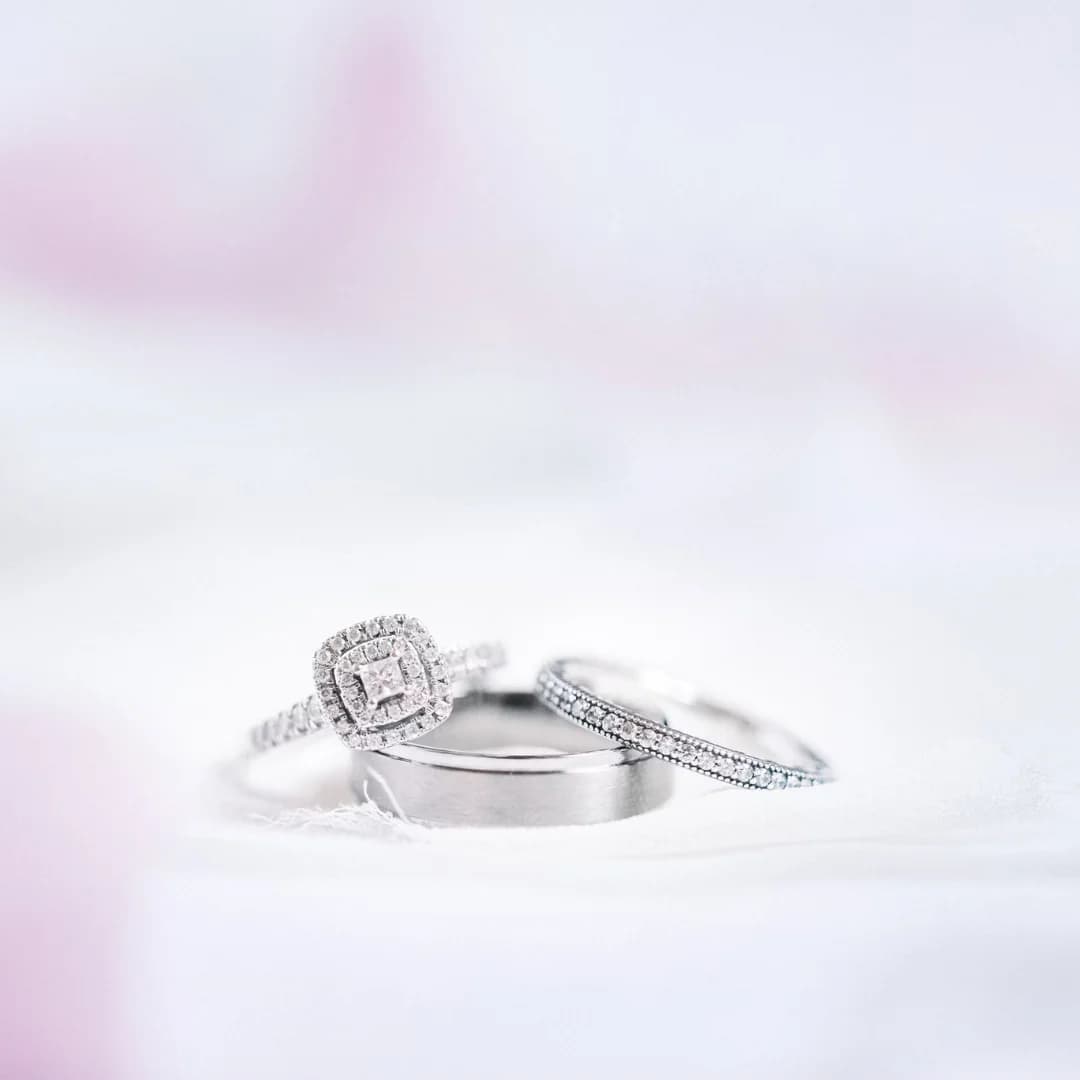
When it comes to choosing an engagement ring, diamonds often take center stage.
Lab-grown engagement rings cost 60-80% less than natural, deliver identical Mohs 10 hardness and IGI/GIA grading, and have a smaller environmental footprint (roughly 80% less land use per carat). Natural diamonds retain slightly stronger resale and rarity appeal. A 1.50ct G/VS1 round in 14k white gold runs $2,000-$3,500 lab-grown versus $9,000+ mined; pick by budget and resale priorities.
But with the rise of lab-grown diamonds, many couples are faced with a decision: should they opt for a lab-grown diamond or stick with a natural one?
In this guide, we’ll explore the pros and cons of both options, helping you make an informed choice that fits your values and preferences.
Understanding Lab-Grown Diamonds
Lab-grown diamonds are just what they sound like: diamonds that are created in a laboratory rather than naturally forming over millions of years.
They are produced using two main methods: High-Pressure High-Temperature (HPHT) and Chemical Vapor Deposition (CVD).

Both methods replicate the conditions under which natural diamonds form, but in a controlled environment.
One couple we spoke to, Emma and Jake, chose a lab-grown diamond for their engagement ring.
They were passionate about sustainability and appreciated that lab-grown diamonds are typically more eco-friendly.
Plus, they found a, high-quality diamond within their budget.
For more options, you might want to check out our lab-grown diamonds collection.
Understanding Natural Diamonds
Natural diamonds, on the other hand, are created deep within the Earth's mantle over billions of years.
Their formation is a natural process involving high pressure and temperature.
Natural diamonds are sourced from various places around the world, with the Kimberley Process in place to help ensure they are conflict-free.
For instance, Sarah and Michael selected a natural diamond for their engagement ring.
They cherished the idea of a gem with a deep history and saw it as a timeless symbol of their commitment.
To them, a natural diamond represented enduring value and tradition.
If you’re considering natural diamonds, explore our engagement rings to find the perfect one for you.
Pros of Lab-Grown Diamonds
Lab-grown diamonds offer several advantages that can be appealing, especially for those considering environmental and budgetary factors.
Affordability: Lab-grown diamonds are typically less expensive than their natural counterparts.
This means you can often get a larger or higher-quality stone for the same budget.
Environmental Impact: Creating diamonds in a lab generally has a smaller environmental footprint compared to traditional mining.
For eco-conscious buyers, this is a significant advantage.
Ethical Considerations: Lab-grown diamonds come with a lower risk of being associated with conflict diamonds.
To explore more, check out our large diamond rings for impressive options.
Customization: Lab-grown diamonds are often easier to find or create with specific characteristics, allowing you to choose a diamond that perfectly fits your vision.
A great example is Alex and Jamie, who used the cost savings from their lab-grown diamond to customize a unique setting, resulting in a truly one-of-a-kind ring.
Cons of Lab-Grown Diamonds
Despite their many advantages, lab-grown diamonds also come with some drawbacks.
Resale Value: Lab-grown diamonds typically have a lower resale value compared to natural diamonds.
This can be a concern if you plan to upgrade or sell the ring in the future.
Market Perception: Some people still view lab-grown diamonds as less desirable than natural ones, despite their quality and ethical benefits.
Longevity: There’s ongoing debate about how lab-grown diamonds age compared to natural diamonds.
For instance, a couple's experience with resale challenges and market perception highlights some of these concerns.
Pros of Natural Diamonds
Natural diamonds offer several appealing advantages, especially for those who value tradition and long-term value.
Resale Value: Natural diamonds generally hold higher resale value and maintain enduring demand.
This makes them a solid investment and a lasting symbol of commitment.
Tradition and Symbolism: Natural diamonds have deep historical and emotional significance, often seen as a timeless representation of love and commitment.
For a fine selection, check out our diamond pendants and necklaces.
Longevity: Natural diamonds have been tested over time for their durability and lasting appeal.
A couple who chose natural diamonds valued their family heirloom potential and the deep-rooted tradition behind them.
Cons of Natural Diamonds
While natural diamonds have their strengths, they also come with some drawbacks.
Cost: Natural diamonds are typically more expensive due to their rarity and the costs associated with mining.
Environmental and Ethical Concerns: Traditional diamond mining can have significant environmental impacts and raise ethical issues.
For those considering alternatives, explore our [wedding bands](https://www.revediamonds.com/us/wedding-bands) and [eternity rings](https://www.revediamonds.com/us/eternity-ring) for more options that might align with your values.
Limited Customization: Finding a specific natural diamond with particular characteristics can be more challenging compared to lab-grown options.
An individual's struggle with the higher cost and ethical concerns associated with natural diamonds highlights some of these challenges.
FAQs
Are lab-grown diamonds as durable as natural diamonds?
Yes, lab-grown diamonds are just as durable as natural diamonds. They have the same physical and chemical properties, making them a durable choice for an engagement ring.
Do lab-grown diamonds look different from natural diamonds?
No, lab-grown diamonds look the same as natural diamonds to the naked eye. They have the same brilliance and clarity, and they are graded using the same standards.
Can lab-grown diamonds be passed down as family heirlooms?
Absolutely! Lab-grown diamonds can be passed down as family heirlooms just like natural diamonds. They hold the same sentimental value and can become cherished family treasures.
How do I choose between a lab-grown and a natural diamond?
Consider your values, budget, and personal preferences. Lab-grown diamonds offer affordability and environmental benefits, while natural diamonds provide a traditional and lasting appeal.
What should I look for when buying an engagement ring?
When buying an engagement ring, focus on the four Cs: cut, color, clarity, and carat weight. Also, consider factors like the metal type and setting. For more options, explore our [engagement rings](https://www.revediamonds.com/us/engagement-rings).
See the numbers for yourself: our natural vs lab-grown diamond price comparison matches any diamond in our stock with its lab-grown twin, so you can see the exact saving.


