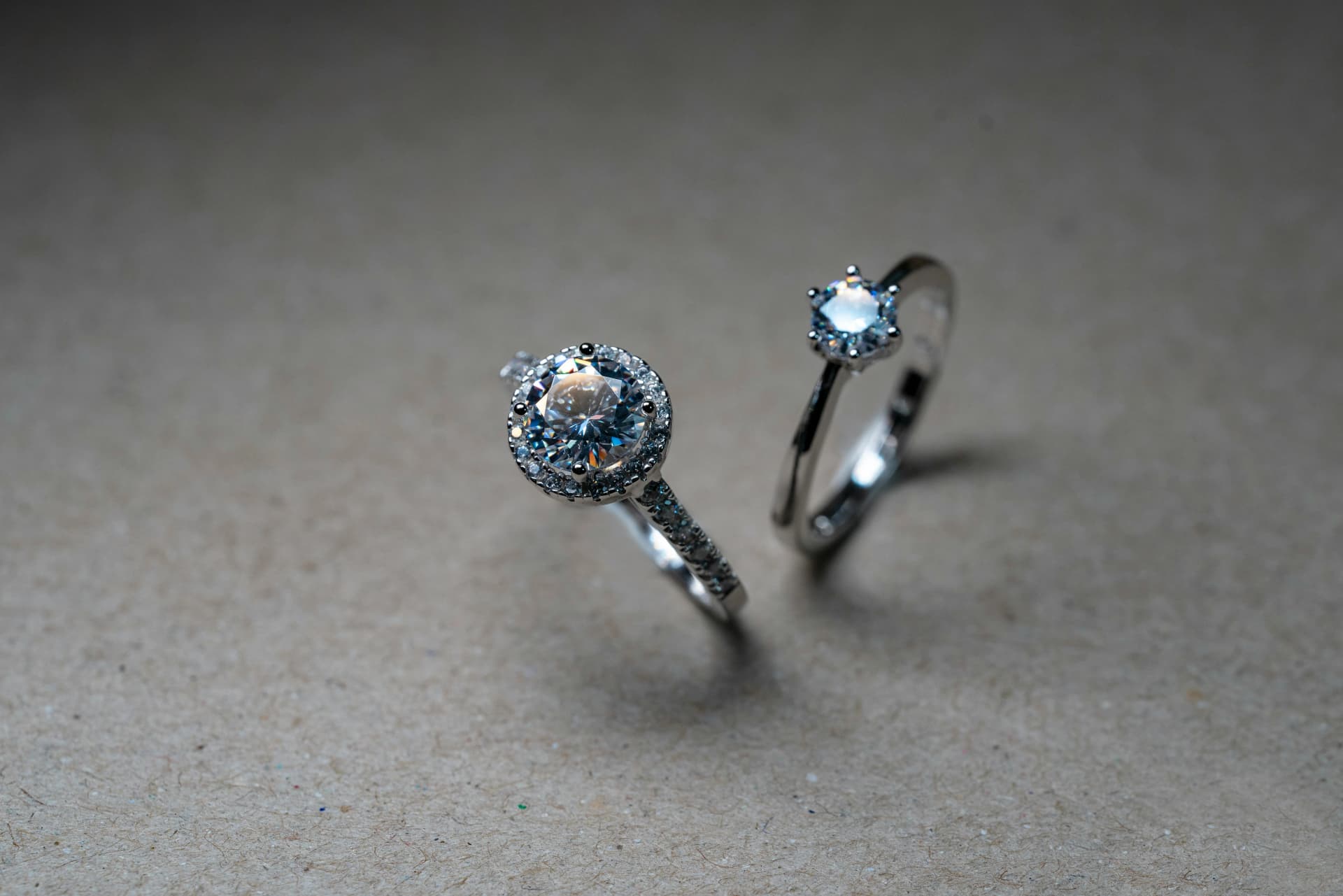
The solitaire is the purest expression of an engagement ring: a single diamond on a clean band, with nothing to distract from the stone. Because there is nowhere to hide, the shape you choose defines the entire look. Here is how the most popular shapes perform in a solitaire, and how to pick the one that suits you.
The round brilliant is the timeless, most brilliant choice for a solitaire, while oval and emerald cuts look elegant and elongate the finger. Princess and cushion cuts offer a modern feel, and pear or marquise shapes make a distinctive statement. Since a solitaire showcases one stone, prioritize an excellent cut and a shape that flatters your hand.
Why shape matters more in a solitaire
In a halo or cluster setting, surrounding stones add sparkle and size. A solitaire has none of that, so the diamond stands entirely on its own. That makes cut quality and outline especially important. Before you choose, it helps to understand how cut affects sparkle in our diamond education guide.
Round brilliant: the timeless classic
A round brilliant in a solitaire is the definition of classic. It returns the most light and fire of any shape, so it looks lively from every angle and pairs beautifully with a simple band. If you want a ring that will never look dated, this is the safe and stunning choice.
Oval: elegant and finger-lengthening
An oval solitaire keeps the brilliance of a round but stretches it into an elongated outline that makes the finger look longer and slimmer. Oval stones also appear larger than round diamonds of the same carat weight, making them a favorite for shoppers who want maximum presence.
Emerald and Asscher: understated sophistication
These step cuts trade rainbow fire for a sleek, mirror-like elegance and exceptional clarity. In a solitaire they look refined and architectural, and the emerald’s long shape also flatters the finger. Because their clarity is more visible, choose a higher clarity grade for these shapes.
Princess and cushion: modern and romantic
A princess cut brings crisp, contemporary geometry and lots of sparkle, while a cushion cut softens the square shape with rounded corners for a romantic, vintage feel. Both look wonderful on a plain band and offer strong brilliance in a solitaire.
Pear and marquise: distinctive statements
If you want something unique, a pear or marquise solitaire delivers a bold, elongating silhouette that stands out. Both shapes benefit from a secure setting to protect their pointed tips. They also carry their carat weight across a longer surface, so they read as larger on the hand. These shapes look equally striking echoed in a matching eternity ring.
Match the shape to your hand and style
- Longer, slimmer fingers suit almost any shape, including bolder cuts like emerald and marquise.
- Shorter fingers are flattered by elongated shapes such as oval, pear, and marquise, which create a lengthening effect.
- For a timeless look, choose round or cushion; for a modern edge, choose princess, oval, or emerald.
Whatever shape you choose, a lab-grown option lets you go bigger or better for your budget without compromising on beauty. Explore lab-grown diamonds and pair your solitaire with a coordinating wedding band at Rêve Diamonds.
Frequently asked questions
What is the most popular solitaire shape?
The round brilliant, by a wide margin. Its unmatched sparkle and timeless appeal make it the default choice for solitaire engagement rings.
Which solitaire shape looks biggest?
Elongated shapes like oval, pear, and marquise look larger than round or princess cuts of the same carat weight because they spread their surface area across a longer outline.
Do solitaires work with any diamond shape?
Yes. Every shape can be set as a solitaire; the choice comes down to the style you love and how it flatters your hand. Browse the full range of engagement rings at Rêve Diamonds.


