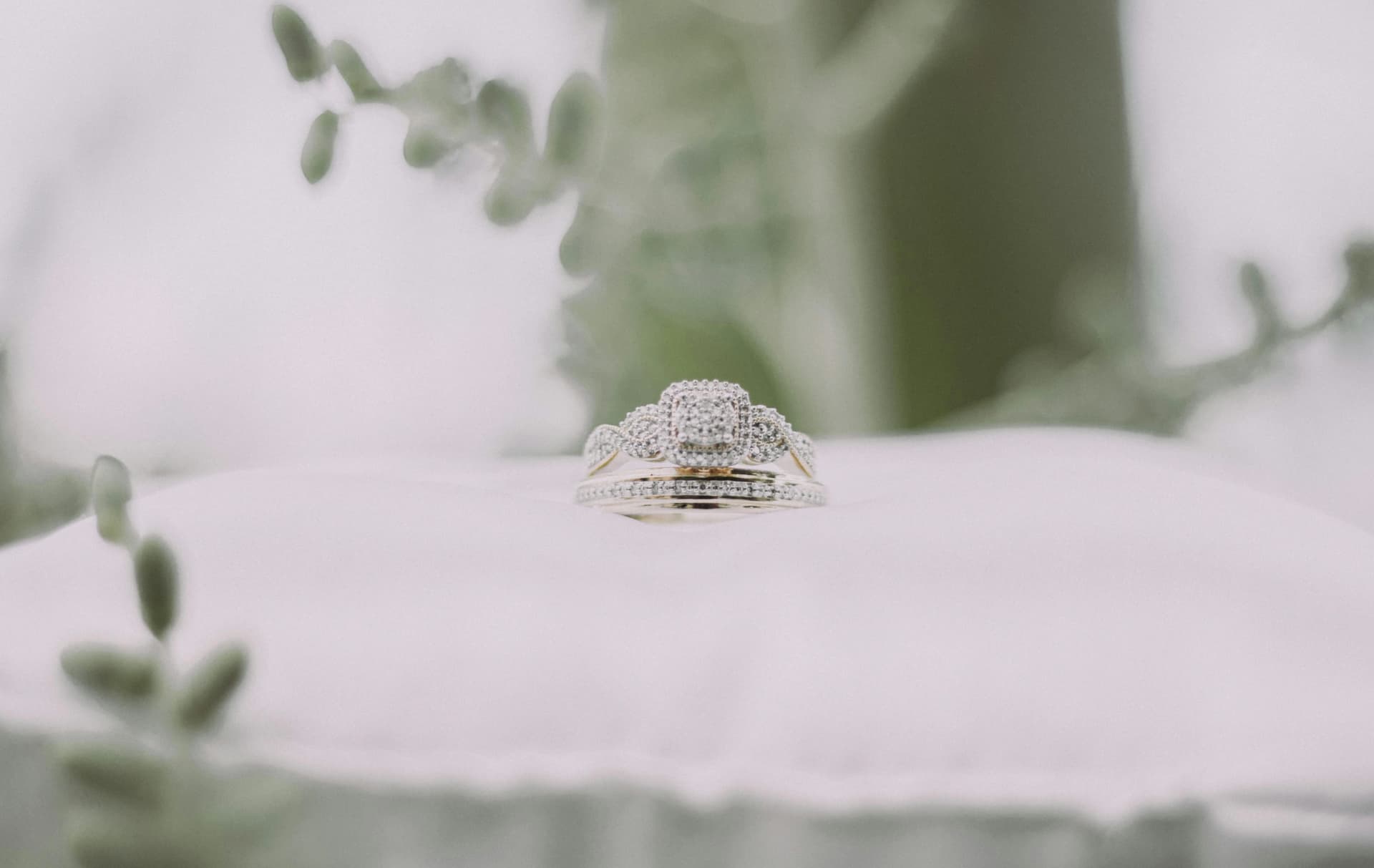
When a diamond flashes rainbow colors as it moves, that is fire, and it is one of the most captivating things about a well-cut stone. If maximum fire is your priority, the shape and cut you choose make a real difference. Here is which diamond shapes deliver the most fire, and why.
The round brilliant cut produces the most fire and dispersion of any shape, thanks to its 57 to 58 precisely angled facets. Other brilliant-style cuts such as cushion, oval, pear, and marquise also show strong fire, while step cuts like emerald and Asscher trade fire for sleek, mirror-like flashes. Cut quality matters even more than shape.
What "fire" actually means
Fire, also called dispersion, is the way a diamond splits white light into flashes of spectral color, red, orange, blue, and violet. It is different from brilliance, which is the white light a diamond returns, and from scintillation, the sparkle you see as it moves. All three come down to how well the diamond is cut. You can read more about how cut is graded in our diamond education guide.
The winner: the round brilliant cut
The round brilliant is engineered specifically to maximize the return of light. Its 57 to 58 facets are cut at angles calculated to bend light and disperse it into color as it exits the top of the stone. No other shape returns fire as consistently, which is a major reason the round brilliant remains the most popular diamond shape in the world.
Shapes with strong fire
Several other cuts belong to the brilliant family and show plenty of fire when cut well:
- Cushion cut: often described as having a warm, "chunky" fire; older cushion styles are especially prized for it.
- Oval, pear, and marquise: elongated brilliant cuts that keep much of the round’s fire while offering a distinctive outline and the illusion of extra size.
- Radiant cut: combines a rectangular shape with brilliant-cut faceting, giving it noticeably more fire than a step cut of the same outline.
Shapes with less fire (and why some love them)
Step cuts such as the emerald and Asscher use long, parallel facets that create a "hall of mirrors" effect rather than rainbow fire. They flash broad, clean planes of light and show off exceptional clarity. If you prefer understated elegance over sparkle, they are a beautiful choice, and they often look larger per carat. Many buyers love them for eternity rings and dress pieces.
Cut quality beats shape
Here is the key point: a poorly cut round brilliant will show less fire than a beautifully cut oval. Depth, table size, and symmetry determine how light behaves inside the stone. Always prioritize an Excellent or Ideal cut grade, then choose the shape you love. A well-cut stone sparkles whether it sits in an engagement ring, a pendant, or a pair of earrings.
Does lab-grown affect fire?
No. Because a lab-grown diamond is optically identical to a natural one, its fire depends entirely on cut, not origin. You can get maximum fire from a lab-grown round brilliant for a fraction of the price of a natural stone.
Frequently asked questions
Which diamond shape sparkles the most?
The round brilliant, overall. It is designed to maximize brilliance, fire, and scintillation together, which is why it out-sparkles other shapes when cut to a high standard.
Do emerald-cut diamonds have fire?
Less than brilliant cuts. Emerald cuts favor broad, mirror-like flashes and clarity over rainbow fire, giving them a more understated, elegant look.
Can a lab-grown diamond have as much fire as a natural one?
Yes. Fire comes from cut quality, and lab-grown diamonds can be cut to the same Excellent and Ideal standards. Explore fiery diamond earrings and pendants at Rêve Diamonds.
Find the shape that speaks to you in our full range of engagement rings at Rêve Diamonds.


