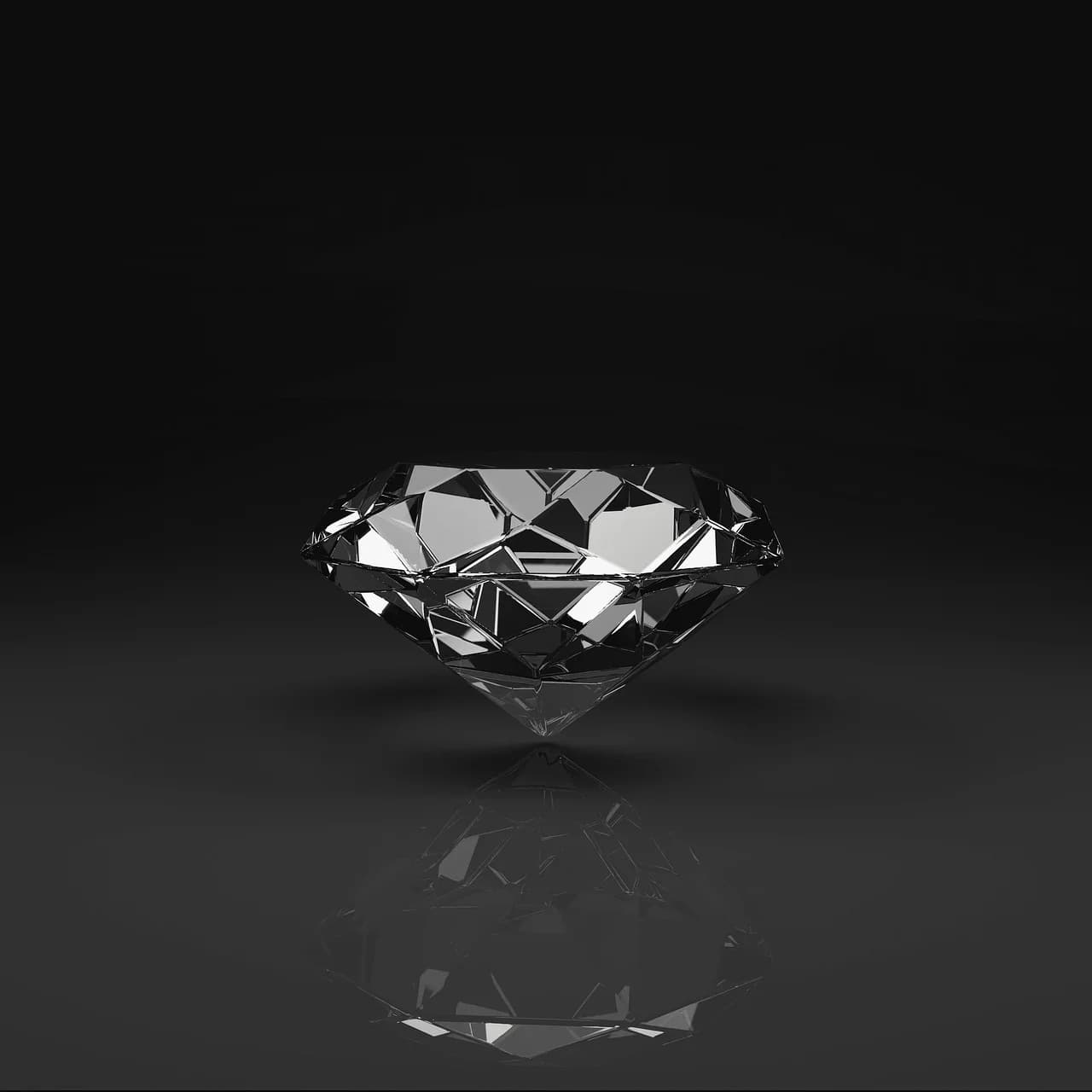
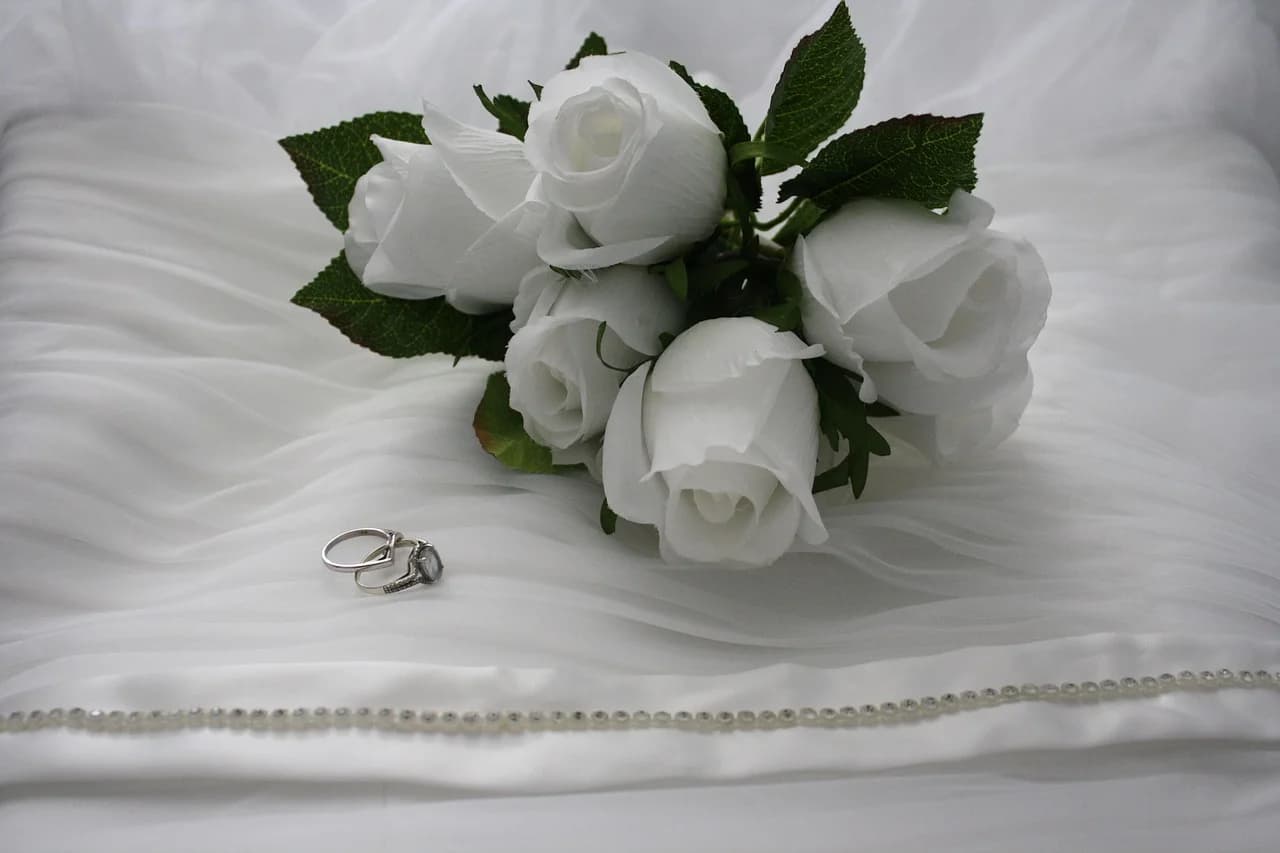
Lab-grown diamonds are gaining popularity among eco-conscious brides, offering a sustainable and ethical alternative to traditional mined diamonds.
Eco-conscious US brides increasingly pick lab-grown diamonds — under-40 share hit roughly 60% in 2025 — because production uses roughly 80% less land per carat than mined and avoids mining-community labor risk. IGI- or GIA-graded Mohs 10 stones cost 60-80% less. A 1.50ct G/VS1 lab-grown round in 14k recycled white gold runs $2,000-$3,500 with 4-6 week New York delivery.
These gems provide the same brilliance and durability as their natural counterparts but come with added benefits that align with modern values.
Understanding Lab-Grown Diamonds
Lab-grown diamonds, also known as synthetic diamonds, are created in controlled laboratory environments using advanced technological processes such as High-Pressure High-Temperature (HPHT) and Chemical Vapor Deposition (CVD).
These methods replicate the natural conditions under which diamonds form, resulting in stones that are chemically, physically, and optically identical to mined diamonds.
If you're exploring lab-grown options, check out the lab-grown diamond collection for a variety of shapes and sizes.
Environmental Benefits
Choosing lab-grown diamonds significantly reduces environmental impact.
Traditional diamond mining involves extensive land excavation, leading to habitat destruction and soil erosion.
In contrast, producing a one-carat lab-grown diamond disturbs only about 0.0065 square meters of land and generates approximately 0.5 kilograms of mineral waste, compared to the 9 square meters of land disruption and 2,600 kilograms of mineral waste associated with mining a one-carat natural diamond.
Also, lab-grown diamonds can be produced using renewable energy sources, further minimizing their carbon footprint.
This makes them an appealing choice for brides committed to environmental sustainability.
For a vibrant and unique option, check out fancy colored lab-grown diamonds, which offer stunning alternatives to traditional white diamonds.
Ethical Considerations
Lab-grown diamonds are guaranteed to be conflict-free, as they are produced without the labor and geopolitical issues often associated with mined diamonds.
This assurance allows brides to wear their jewelry with confidence, knowing it aligns with their ethical values.
Affordability and Quality
One of the most attractive aspects of lab-grown diamonds is their affordability.
They are typically 20-40% less expensive than natural diamonds of comparable quality, allowing brides to choose larger or higher-quality stones within their budget.
Importantly, lab-grown diamonds possess the same physical, chemical, and optical properties as mined diamonds, ensuring no compromise on quality or appearance.
If you're considering a timeless choice, browse the round lab-grown diamond collection for classic brilliance.
Customization and Design Flexibility
Lab-grown diamonds offer greater flexibility in terms of customization.
Their controlled production allows for a variety of cuts, colors, and sizes, enabling brides to design unique, personalized pieces that reflect their individual style and values.
For brides looking for unique shapes, explore the cushion-cut lab-grown diamonds or the pear-cut lab-grown diamonds for distinctive designs.
Aligning with Sustainable Wedding Trends
The trend towards sustainability in weddings is growing, with couples seeking eco-friendly options in all aspects of their celebrations.
Lab-grown diamonds fit seamlessly into this movement, offering a responsible choice for engagement rings and wedding bands that complements other sustainable practices.
To find the perfect match, check out the princess-cut lab-grown diamonds or oval-cut lab-grown diamonds for stunning designs.
FAQs About Lab-Grown Diamonds
Are lab-grown diamonds real diamonds?
Yes, lab-grown diamonds are real diamonds.
They have the same chemical composition and physical properties as natural diamonds.
How can I verify the sustainability of a lab-grown diamond?
Look for certifications from reputable organizations that confirm the diamond was produced using sustainable practices.
Also, inquire about the energy sources used in production and the company's commitment to environmental responsibility.
Will lab-grown diamonds retain their value over time?
While lab-grown diamonds may have a different resale market compared to natural diamonds, their value lies in their ethical and environmental benefits, as well as their affordability.
It's important to consider these factors when making your choice.
Are lab-grown diamonds certified like natural diamonds?
Yes, lab-grown diamonds are graded and certified by the same gemological laboratories that assess natural diamonds, ensuring transparency regarding their quality.
How do I choose the right jeweler for a lab-grown diamond ring?
Select a jeweler who specializes in lab-grown diamonds and can provide detailed information about their sourcing and production methods.
Ensure they offer certification and have a reputation for ethical practices.
In conclusion, lab-grown diamonds present a compelling option for eco-conscious brides, combining beauty, quality, and ethical integrity.
By choosing lab-grown diamonds, you're making a statement that aligns with both your personal values and your commitment to a sustainable future.
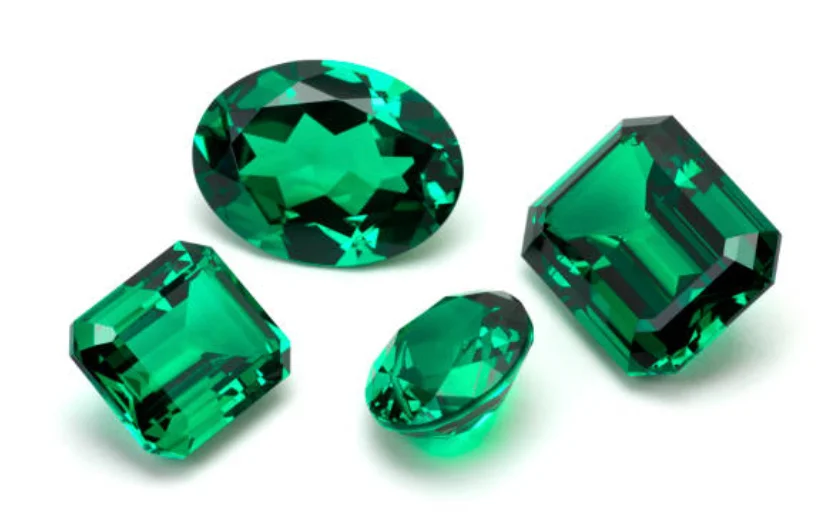
For a unique twist on tradition, check out the heart-shaped lab-grown diamonds or the emerald-cut lab-grown diamonds for a touch of elegance.