How to Spot a Fake Ruby: Expert Tips to Identify Real Gemstones
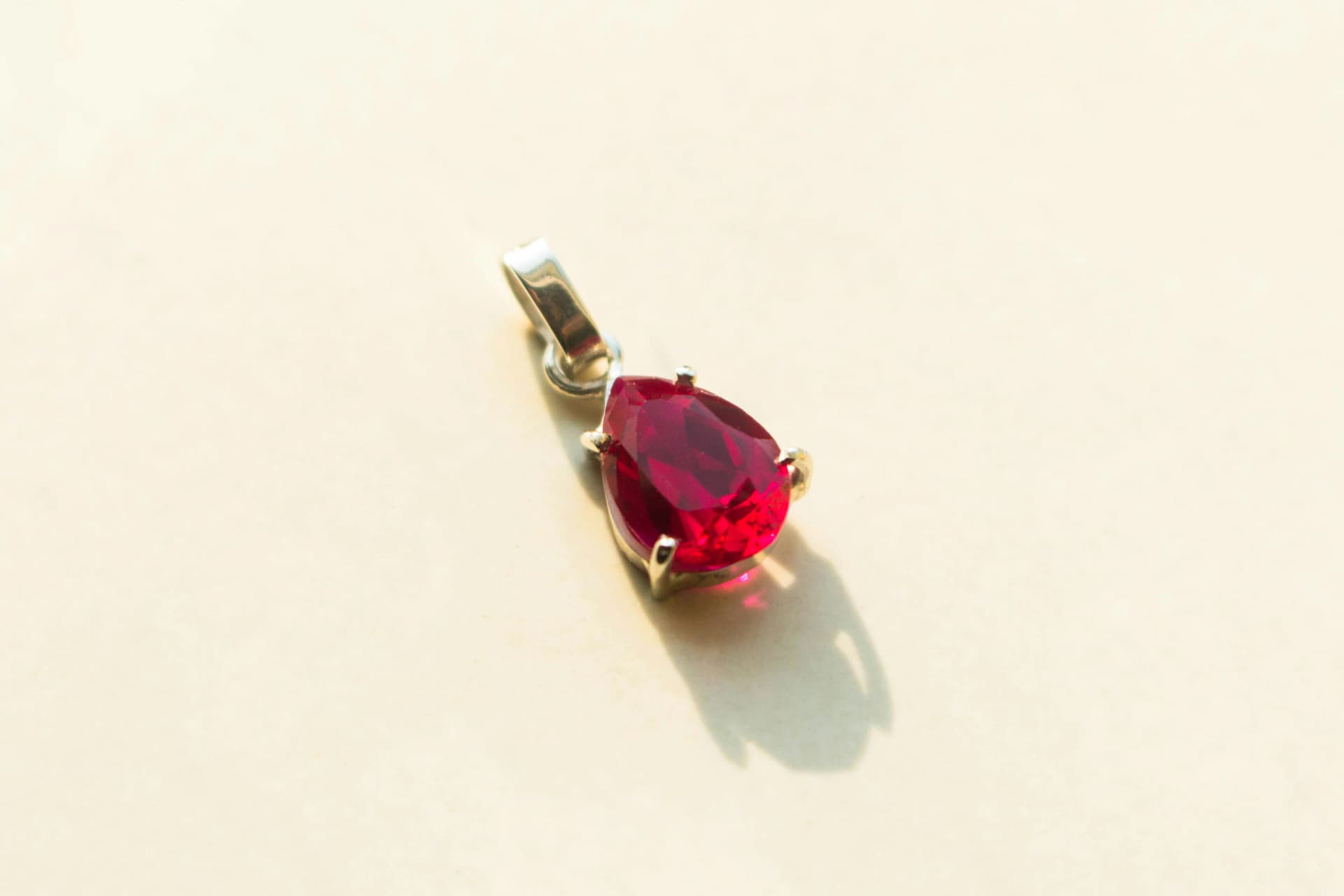
Rubies have long been admired for their deep, captivating red hues and are often considered symbols of passion and wealth.
In short: Spot a fake ruby by checking hardness (real ruby is Mohs 9 and won't scratch with a steel file), refractive index (1.76-1.78), and natural inclusions like silk needles under magnification. Glass imitations show gas bubbles and feel warm; synthetic rubies show curved growth lines. Top untreated Burmese 1.00ct+ stones run $5,000-$15,000 per carat with a GIA or AGL report.
However, the market is full of imitations and synthetic versions that can easily fool even the most discerning buyers.
Knowing how to tell a real ruby from a fake is crucial for anyone investing in this stunning gemstone.
Search Gemstones
Understanding Genuine Rubies
A natural ruby is a variety of the mineral corundum, known for its rich red color, which is primarily due to the presence of chromium.
The most sought-after shade is often called "pigeon’s blood" red—a vivid, pure red with a hint of blue.
When evaluating a ruby, gemologists use the "Four Cs": color, clarity, cut, and carat weight.
Among these, color is the most important factor in determining a ruby’s value.
If you're exploring colorful stones, check out our collection of gemstone engagement rings for ethically sourced options.
Common Imitations and Treatments
The jewelry market includes a variety of ruby look-alikes and treatments used to enhance lower-quality stones.
