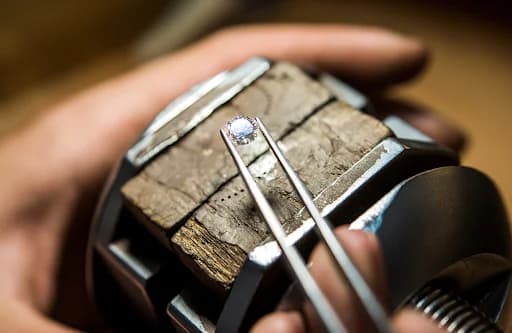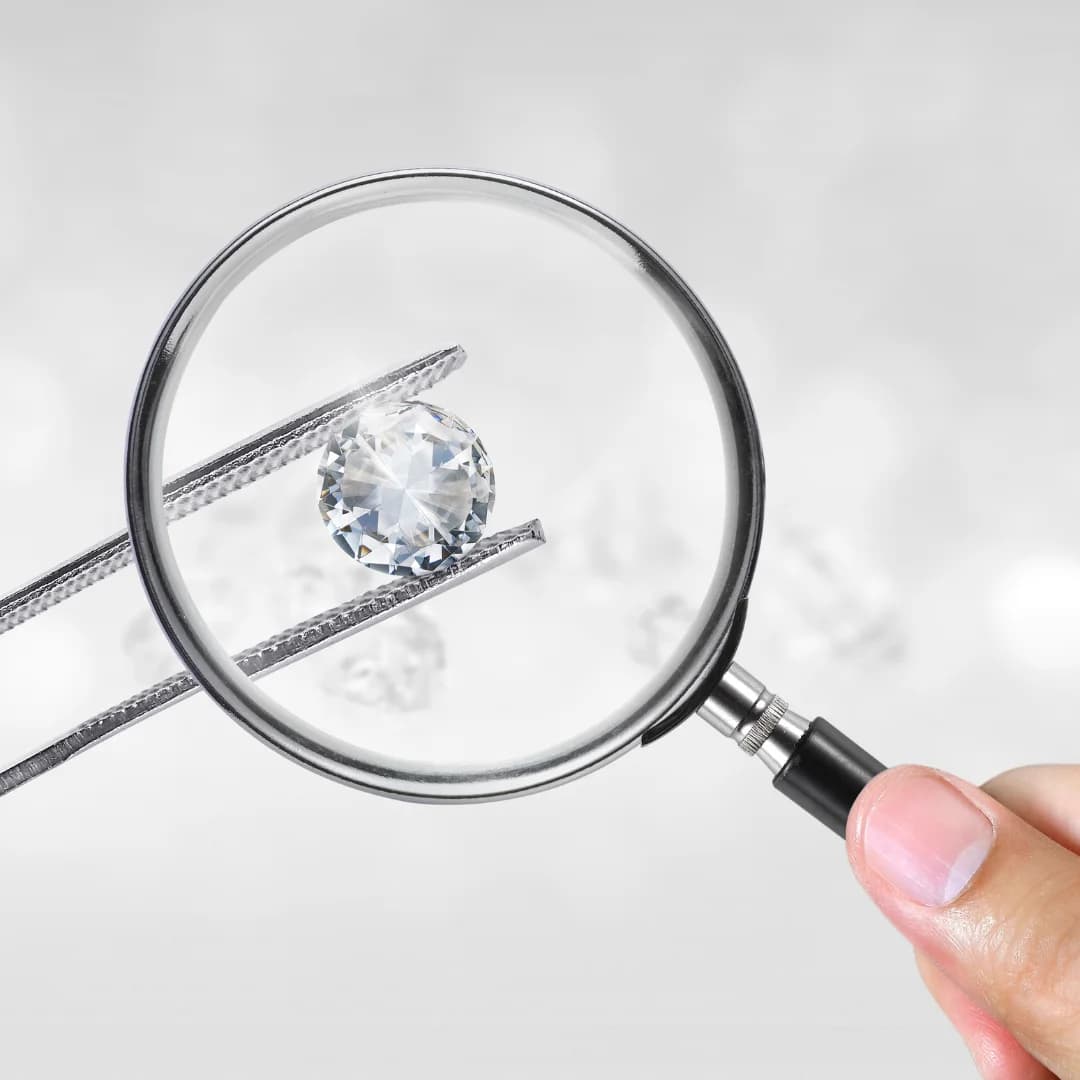
Lab-grown diamonds are becoming an increasingly popular choice for many buyers, not only for their ethical and environmental benefits but also because they offer the same visual appeal as natural diamonds. However, one common question that comes up is: Do lab-grown diamonds pass a diamond tester?
Yes. Lab-grown diamonds pass standard handheld diamond testers (thermal-conductivity probes) because their physical and chemical properties are identical to mined diamonds. Only specialist lab equipment (DiamondView UV spectrometers, photoluminescence testing) can distinguish lab-grown from natural — which is why GIA and IGI certifications explicitly identify origin.
This article will explore how diamond testers work, whether they can detect lab-grown diamonds, and what you need to know to ensure the diamond you're buying is genuine.
Understanding the Role of a Diamond Tester
Diamond testers are small handheld devices that jewellers use to check whether a stone is a real diamond or a simulant, such as cubic zirconia or moissanite. These devices are commonly used because they provide a quick and simple way to authenticate a diamond.
But the big question remains: how reliable are they when it comes to lab-grown diamonds? To answer this, we first need to understand how a diamond tester actually works.
How Do Diamond Testers Work?
Diamond testers typically operate by measuring a stone’s thermal conductivity. Natural diamonds are excellent conductors of heat, so when the tester touches the diamond, it quickly determines whether the stone is genuine based on how fast the heat moves through it.
Some more advanced testers measure electrical conductivity in addition to heat, which can help differentiate between diamonds and other stones like moissanite, which can behave similarly to diamonds in thermal tests.
What Are Lab-Grown Diamonds?
Before delving deeper into whether a lab-grown diamond will pass a tester, it's essential to clarify what a lab-grown diamond actually is. These diamonds are created in a laboratory using advanced technology, such as Chemical Vapour Deposition (CVD) or High Pressure High Temperature (HPHT).
Lab-grown diamonds have the same chemical and physical properties as natural diamonds, which is why they're referred to as "real diamonds." If you're considering this eco-friendly alternative, you might want to check out lab-grown diamonds, as they offer an ethical and affordable choice.
Can Lab-Grown Diamonds Pass a Diamond Tester?
So, will a lab-grown diamond pass a diamond tester? The short answer is yes, in most cases. Since lab-grown diamonds are chemically and structurally identical to natural diamonds, they conduct heat in the same way. This means that the majority of standard diamond testers, which rely on thermal conductivity, will be unable to differentiate between a lab-grown diamond and a natural one.
However, things get a little more complex when it comes to distinguishing between lab-grown diamonds and other diamond alternatives, like moissanite. For this, jewellers may use diamond testers that also measure electrical conductivity or specialised equipment to identify lab-grown diamonds.
Do All Diamond Testers Detect Lab-Grown Diamonds?
Not all diamond testers are the same. Most conventional testers only measure heat conductivity, which, as we’ve mentioned, makes it difficult for them to tell the difference between a lab-grown and natural diamond.
More sophisticated testers, like those that measure electrical conductivity, can provide additional data to help determine whether a diamond is lab-grown. These advanced testers are designed to identify synthetic diamonds more accurately.
If you’re interested in browsing different lab-grown diamond shapes, you can check out round lab-grown diamonds or explore other shapes like cushion, emerald, and more.
How to Ensure Your Lab-Grown Diamond is Genuine
While a standard diamond tester might confirm that your lab-grown diamond is a real diamond, there are other ways to ensure you’re getting what you pay for. One of the most reliable methods is to look for certification from reputable grading organisations like the GIA (Gemological Institute of America) or IGI (International Gemological Institute).
Certified diamonds come with detailed reports that confirm whether they are lab-grown or natural and provide information about their cut, clarity, colour, and carat weight. Purchasing a certified diamond from a trusted jeweller ensures you know exactly what you're getting.
For those seeking something more unique, you can check out fancy coloured diamonds or explore fancy coloured lab-grown diamonds for a vibrant and distinct look.
Common Myths About Lab-Grown Diamonds and Diamond Testers
There's a fair amount of misinformation floating around when it comes to lab-grown diamonds and whether they can pass a diamond tester. Let’s debunk a few myths:
- "Lab-grown diamonds can't pass a diamond tester." This is false. Lab-grown diamonds share the same properties as natural diamonds and can pass most standard diamond testers.
- "Lab-grown diamonds are fake." Another myth. Lab-grown diamonds are as real as their natural counterparts—they just come from a lab instead of the earth.
- "Moissanite is the same as a lab-grown diamond." While moissanite may look like a diamond to the naked eye, it is a completely different gemstone with distinct properties. It does not conduct heat or electricity like a diamond, so a tester can usually tell the difference.
Lab-Grown Diamonds vs Natural Diamonds: How Else Can You Tell the Difference?
While diamond testers can confirm whether a stone is a diamond, they won’t always reveal if it’s lab-grown or natural. To differentiate, jewellers may use advanced equipment like spectrometers or even UV light analysis.
Lab-grown diamonds may also have different inclusions or a distinctive growth pattern compared to natural diamonds. However, these differences are typically only detectable by trained gemologists using specialised tools.
If you're searching for a diamond to suit your style, you might want to check out princess-cut lab-grown diamonds, oval-shaped, or other unique shapes like heart-shaped.
Why Lab-Grown Diamonds Are a Popular Choice
Lab-grown diamonds are increasingly seen as a desirable option for a variety of reasons. They’re usually more affordable than natural diamonds, offering a bigger sparkle for your budget. Plus, they come with significant ethical benefits—no mining means less environmental impact and fewer concerns about human rights abuses.
And for those worried about quality, rest assured: lab-grown diamonds are identical to natural diamonds in every way that matters, including their beauty, brilliance, and durability. You can explore a variety of shapes by browsing the selection of radiant lab-grown diamonds or even pear-shaped for something different.
The Truth About Lab-Grown Diamonds and Diamond Testers
In summary, lab-grown diamonds can and do pass most diamond testers, as they share the same physical and chemical properties as natural diamonds. However, advanced testing methods may be required to distinguish between lab-grown and natural diamonds. The best way to ensure the authenticity of your diamond is to purchase from a reputable jeweller and insist on proper certification.
Lab-grown diamonds are an excellent choice for those seeking a more ethical, environmentally friendly, and cost-effective alternative to mined diamonds, without compromising on quality or beauty.
FAQs
Can a lab-grown diamond be detected by a jeweller?
Yes, a jeweller can detect whether a diamond is lab-grown using specialised equipment. However, standard diamond testers won’t typically distinguish between lab-grown and natural diamonds.
Do lab-grown diamonds hold value like natural diamonds?
Lab-grown diamonds tend to have lower resale value than natural diamonds. However, their value as a beautiful, ethical alternative makes them an attractive option for many buyers.
How reliable are diamond testers for lab-grown diamonds?
Most diamond testers that measure thermal conductivity will confirm that a lab-grown diamond is indeed a diamond. However, specialised testers may be needed to differentiate between lab-grown and natural diamonds.
What are the best methods to verify a lab-grown diamond’s authenticity?
Certification from reputable grading laboratories like the GIA or IGI is the best way to ensure your lab-grown diamond is genuine. Also, advanced testing techniques can confirm a diamond's origin.