Price Comparison · Natural vs Lab-Grown Diamonds
Lab-grown and natural diamonds are chemically, physically and optically identical — the same carbon crystal, the same sparkle, graded on the same 4Cs by the same laboratories (GIA, IGI, HRD). The only real difference is origin, and that origin is why a lab-grown diamond of the same grade typically costs 70–90% less than its mined equivalent. Use the live comparison tool below to match any natural diamond in our inventory with its lab-grown twin and see the exact saving — or read on for how the price gap actually works.

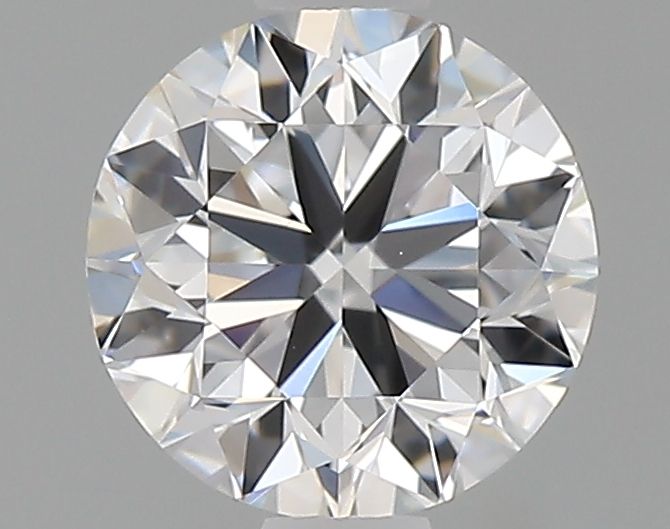
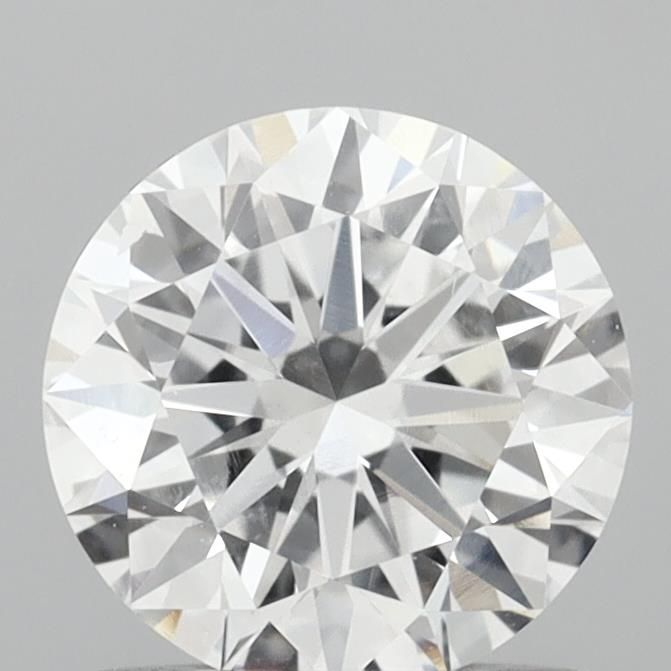
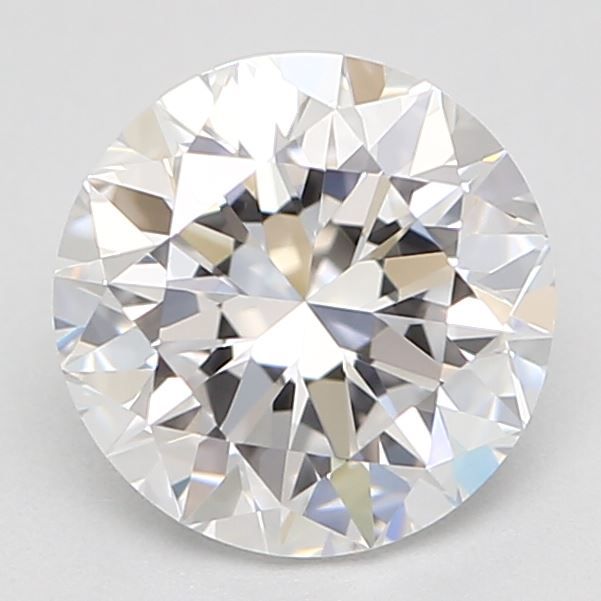
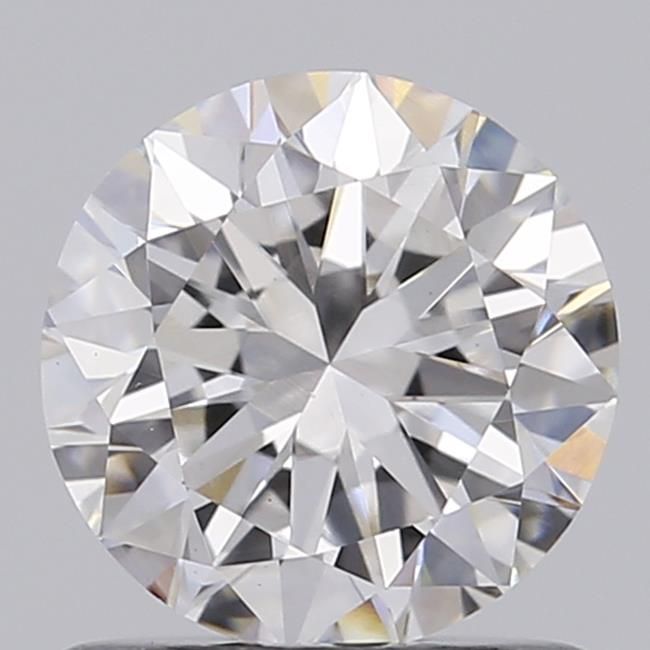
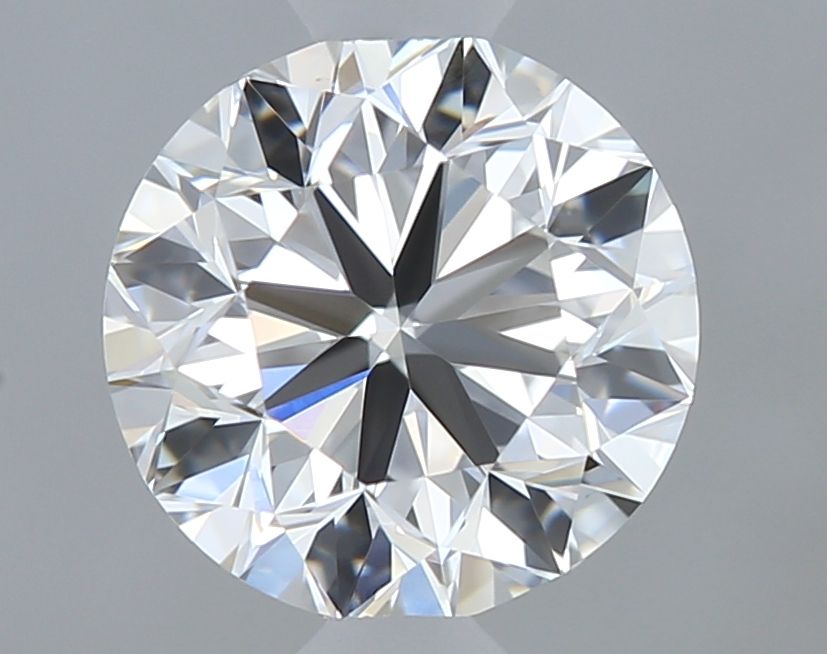
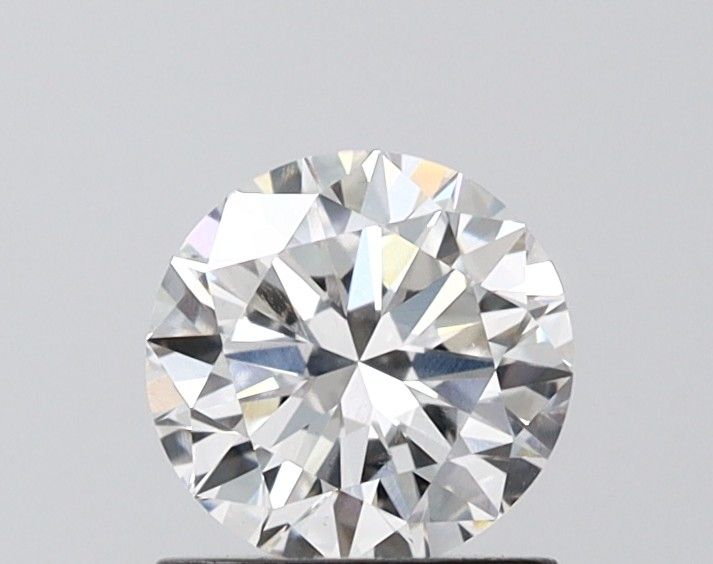
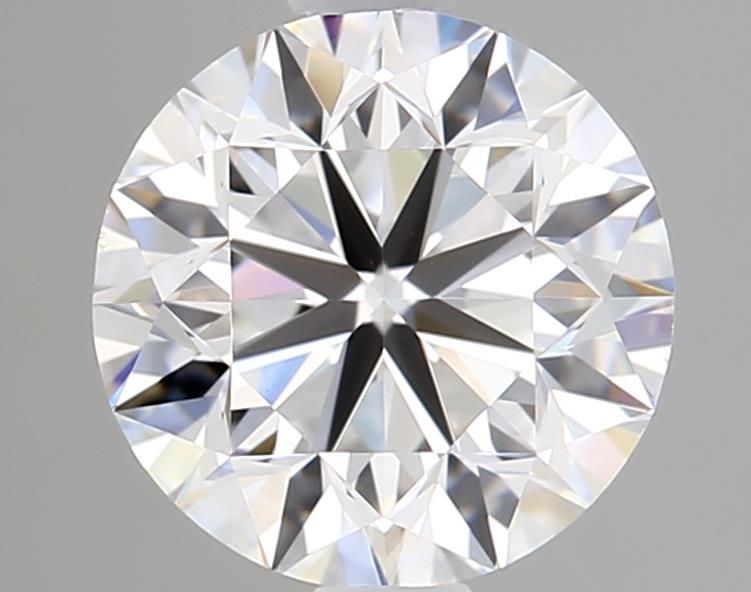
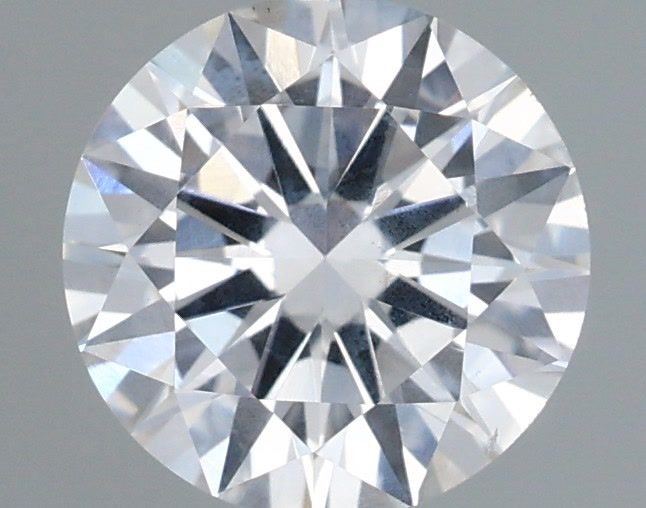
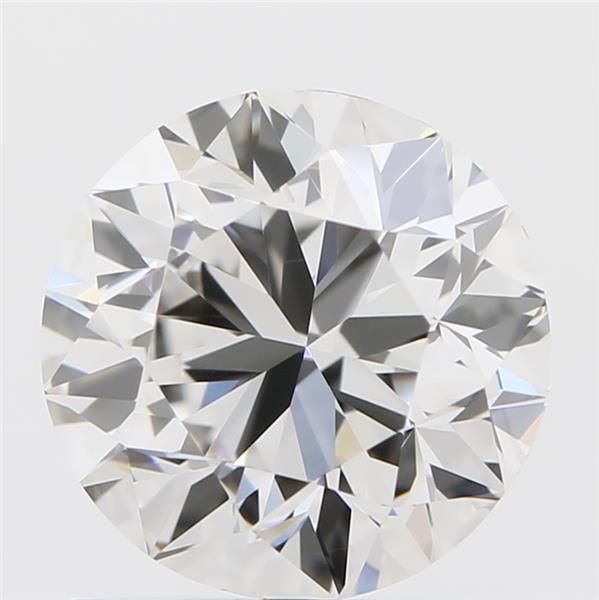
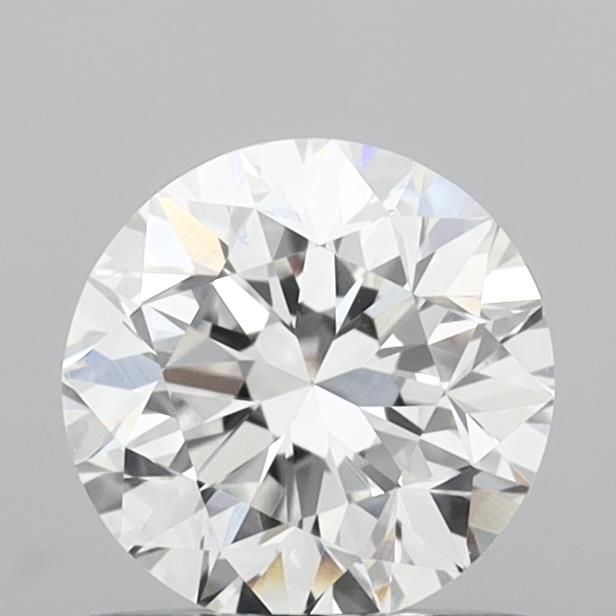
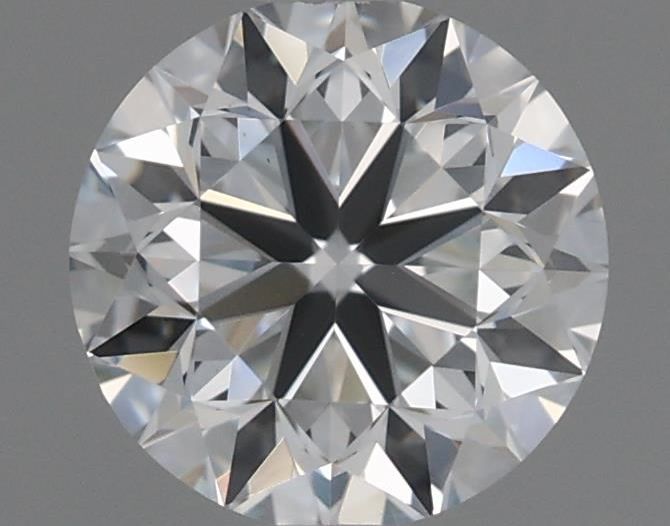
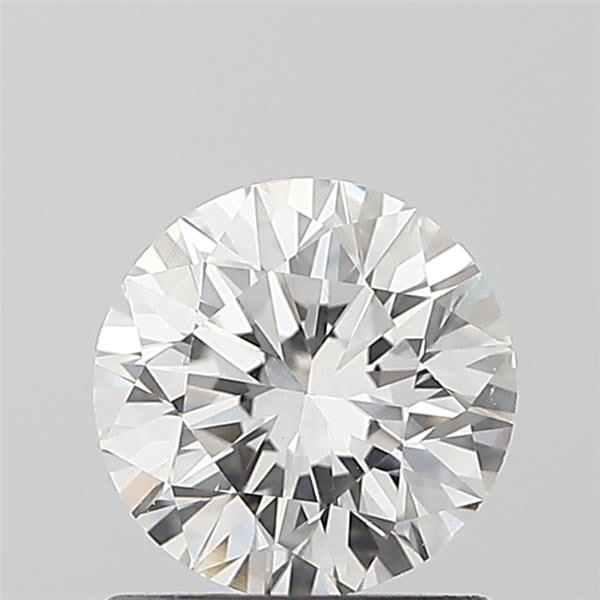
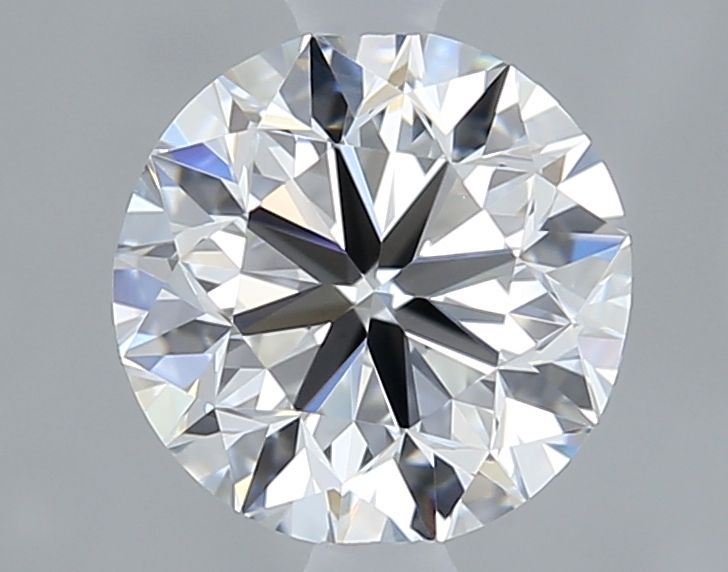
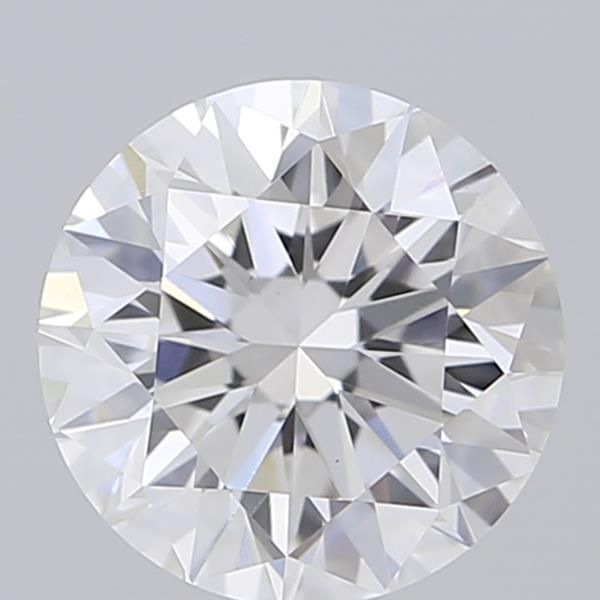
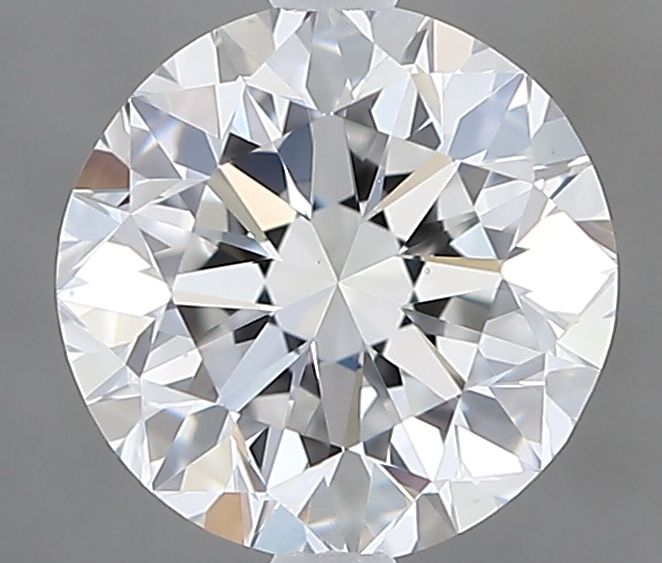
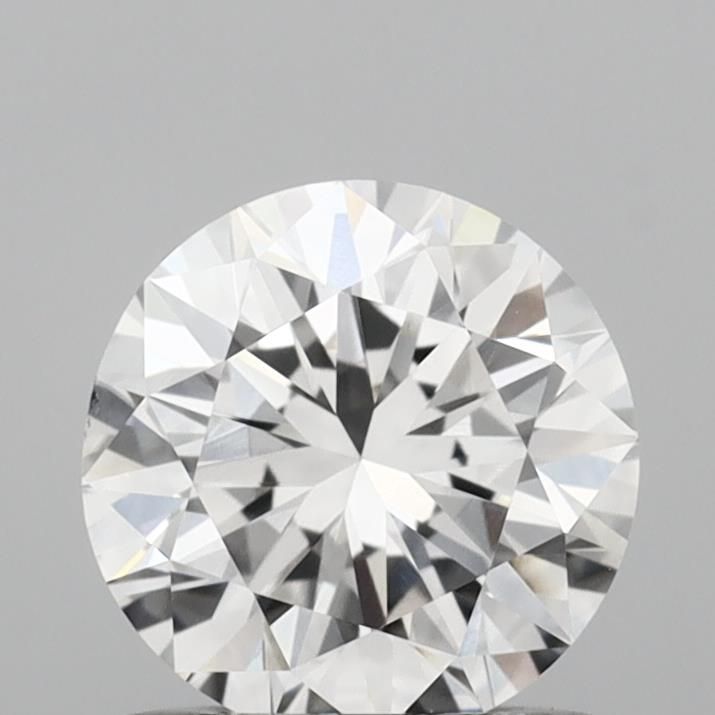
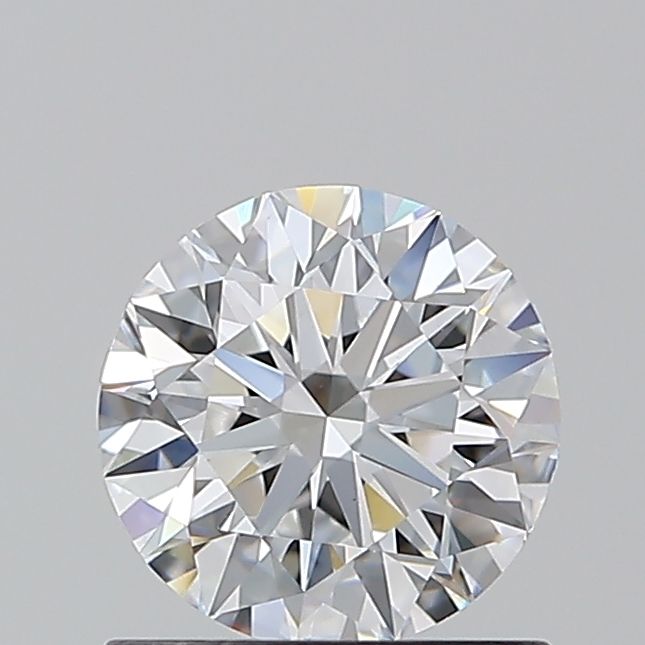
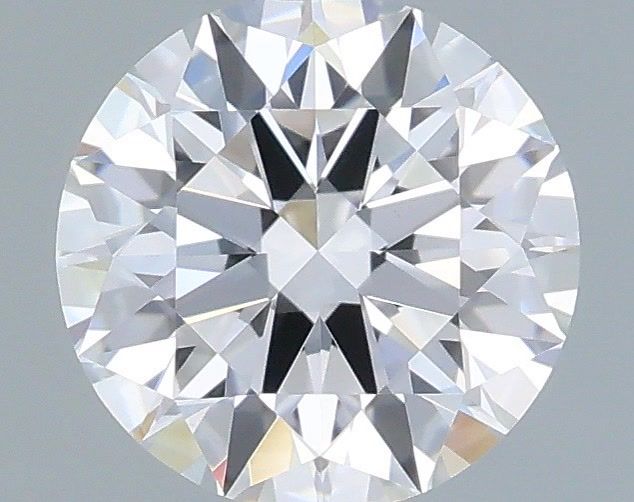
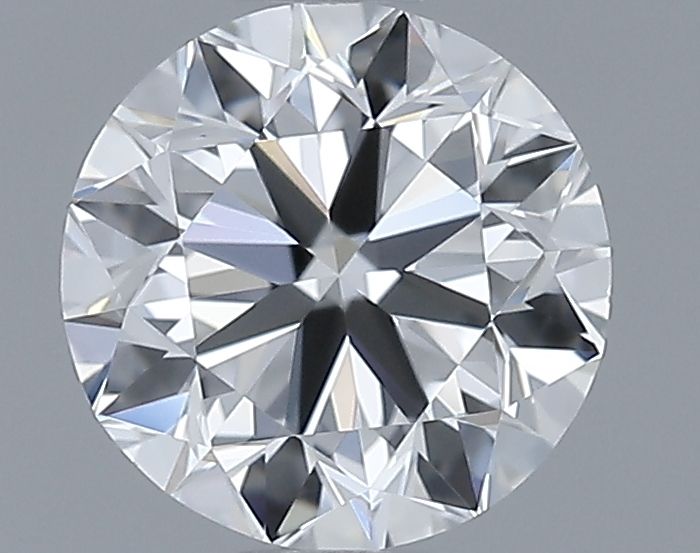
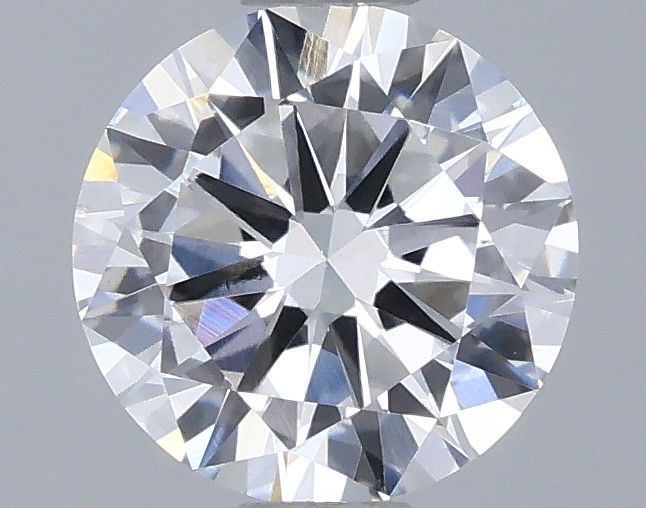
How much cheaper are lab-grown diamonds?
For an identical shape, carat, colour and cut, a lab-grown diamond usually costs a fraction of the natural price — and the gap widens as the stone gets bigger. Natural prices climb steeply with carat because large, high-clarity rough is rare; lab-grown prices stay comparatively flat, so at 2ct and above the saving is at its largest.
| Diamond (same grade both sides) | Natural | Lab-grown | You save |
|---|---|---|---|
| 0.96 ct Round · F · VS1 · Excellent | £2,571 | £884 | ~66% |
| 1.51 ct Round · F · VS1 · Excellent | £8,150 | £1,039 | ~87% |
Prices update from live stock — figures shown reflect current inventory at the time of your visit.
Why are lab-grown diamonds less expensive?
It is not a difference in quality — it is a difference in supply chain. A natural diamond is mined, sorted, cut and traded through many hands over months or years, and carries a rarity premium. A lab-grown diamond is created in a matter of weeks in far greater supply, with a much shorter route to market. Same 4Cs, same certification, a fraction of the cost.
Do lab-grown diamonds hold their value?
Honestly: not well. As production has scaled, wholesale lab-grown prices have fallen sharply, so resale value today is low — buy a lab-grown diamond for the beautiful, larger stone you get now, not as an investment. Natural diamonds retain value better, but you pay a significant premium up front for that. If budget or size matters most, lab-grown wins; if long-term value and rarity matter most, natural does.
Are lab-grown diamonds real diamonds?
Yes. A lab-grown diamond is a real diamond — identical carbon structure, hardness and brilliance to a mined one, and certified by the same independent labs (GIA, IGI, HRD). It is not a simulant like cubic zirconia or moissanite. Only the origin is different.
Frequently asked questions
For the same shape, carat, colour, clarity and cut, lab-grown diamonds typically cost 70–90% less. The saving grows with carat weight — often 90%+ at 2ct and above.
Yes. They are chemically and optically identical to mined diamonds and are graded on the same 4Cs by the same laboratories. Only their origin differs.
Yes. Rêve's lab-grown diamonds are independently certified (GIA, IGI or HRD) using the same grading standards as natural diamonds.
Resale value is currently low because lab-grown prices have fallen as supply scaled. They are best bought for the size and quality you get today rather than as an investment.
Choose lab-grown for a larger or higher-grade stone within budget; choose natural for rarity and stronger long-term value. Both are real, certified diamonds — use the comparison tool above to see the exact price difference for the grade you want.
