Lab-grown diamonds have emerged as a shining example of how luxury and sustainability can go hand in hand. More and more people are turning towards ethical and environmentally conscious choices, and lab-grown diamonds are leading the charge in the jewellery industry. Offering the same brilliance and beauty as mined diamonds, these eco-friendly alternatives come without the heavy environmental and ethical costs. Let’s explore the many reasons why lab-grown diamonds are a better choice for those who value sustainability and ethics in their jewellery.
Lab-grown diamonds use roughly one-tenth the land disturbance of mined diamonds, zero overburden displacement, and 70-90% less water per carat. Carbon footprint depends on the producer's energy source — SCS-007-certified renewable producers achieve about 6kg CO₂ per carat, vs 60kg+ for coal-powered facilities and 100kg+ for typical mined diamonds.
What Are Lab-Grown Diamonds?
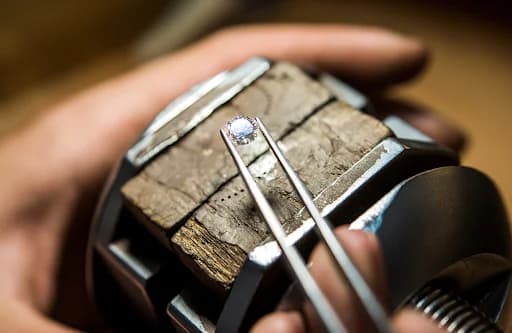
Lab-grown diamonds are created in highly controlled laboratory environments that replicate the natural process of diamond formation. Two primary methods are used to create them: Chemical Vapour Deposition (CVD) and High Pressure High Temperature (HPHT). Despite being grown in a lab, these diamonds are chemically, physically, and optically identical to mined diamonds. The result is a diamond that’s just as dazzling, durable, and suitable for fine jewellery as its natural counterpart.
With lab-grown diamonds, you get the same sparkle and quality, whether you’re looking for a engagement ring or a bespoke piece of jewellery. If you're interested in exploring lab-grown diamonds, check out lab-grown diamonds in the UK.
Ethical Benefits: Conflict-Free Diamonds
One of the most significant ethical advantages of lab-grown diamonds is that they are completely conflict-free. Many natural diamonds, particularly those sourced from conflict zones, are often referred to as "blood diamonds". These diamonds can be linked to human rights abuses, environmental damage, and the funding of armed conflicts. Understandably, this has led to growing concerns among consumers about the true cost of their jewellery.
Lab-grown diamonds offer a transparent, conflict-free alternative. Since these diamonds are produced in a lab, they bypass the murky supply chains that are often associated with unethical mining practices. This traceability gives peace of mind to consumers who want to be confident that their diamonds have not contributed to human suffering. For more information on ethical diamonds, explore fancy coloured lab-grown diamonds.
Environmental Impact of Natural Diamond Mining
Traditional diamond mining comes with significant environmental costs. The process of extracting diamonds from the earth can cause severe land degradation, deforestation, and the destruction of ecosystems. In addition to the physical damage caused by mining, the carbon footprint is enormous, with vast amounts of energy required to extract, transport, and refine the diamonds. Water pollution is another concern, as mining can contaminate water sources, harming wildlife and communities that rely on clean water.
The social implications of diamond mining also extend to local communities. Many mining operations take place in developing countries, where poor working conditions and exploitation are common. These issues make natural diamonds far less attractive for consumers who value environmental responsibility and social justice. To learn more about diamond sourcing, read more about responsible diamond sourcing.
Environmental Benefits of Lab-Grown Diamonds
In contrast to the destructive process of diamond mining, lab-grown diamonds have a far smaller environmental footprint. Creating diamonds in a laboratory requires fewer natural resources and results in minimal land disturbance. Lab-grown diamonds use significantly less water and energy, and they don’t lead to deforestation or habitat destruction. This makes them an ideal choice for consumers who want to minimise their environmental impact while still enjoying the beauty of diamonds.
Lab-grown diamonds also produce fewer carbon emissions compared to mined diamonds, which means they have a much smaller carbon footprint. By choosing lab-grown diamonds, you’re helping to conserve ecosystems and reduce environmental harm. This makes them a truly sustainable option for jewellery lovers. If you're curious about sustainable diamond choices, explore round lab-grown diamonds.
Lab-Grown Diamonds and the Future of Sustainable Jewellery
The demand for sustainable luxury goods is rising, and lab-grown diamonds are at the forefront of this movement. As consumers become more aware of the impact their choices have on the planet, they’re seeking out products that align with their values. Lab-grown diamonds fit perfectly into this growing trend, offering a responsible alternative to mined diamonds without compromising on quality or beauty.
In the future, we can expect lab-grown diamonds to play an even bigger role in the jewellery industry. With advancements in technology, the production process will continue to become more efficient, further reducing the environmental impact. As sustainability becomes a key factor in consumer decision-making, lab-grown diamonds will likely dominate the market. If you’re looking for a more sustainable option, explore cushion lab-grown diamonds for your next piece of jewellery.
Affordability and Ethical Consumerism
Lab-grown diamonds aren’t just more sustainable – they’re also more affordable. Lab-grown diamonds can cost up to 30-40% less than natural diamonds of the same size and quality. This is because lab-grown diamonds avoid the high costs associated with mining, transportation, and distribution. The affordability of lab-grown diamonds makes them accessible to a broader range of consumers, allowing more people to choose ethical luxury without breaking the bank.
For those who value both ethics and sustainability, lab-grown diamonds provide an affordable option without compromising on quality or style. Whether you’re looking for an engagement ring or a special gift, you can enjoy the beauty of a diamond while knowing you’ve made a responsible choice. If you're ready to explore affordable options, check out princess lab-grown diamonds.
FAQs
Are lab-grown diamonds real diamonds?
Yes, lab-grown diamonds are real diamonds. They are chemically and physically identical to mined diamonds, with the same brilliance, durability, and beauty.
Are lab-grown diamonds more environmentally friendly than mined diamonds?
Yes, lab-grown diamonds are significantly more environmentally friendly. They require fewer natural resources, use less energy, and have a much smaller carbon footprint than mined diamonds.
Are lab-grown diamonds ethical?
Absolutely. Lab-grown diamonds are conflict-free, meaning they don’t contribute to human rights abuses or environmental degradation associated with diamond mining.
Can lab-grown diamonds be customised?
Yes, lab-grown diamonds come in a wide variety of shapes, sizes, and colours, making them ideal for bespoke jewellery pieces that reflect your personal style.
Are lab-grown diamonds more affordable than mined diamonds?
Yes, lab-grown diamonds are typically 30-40% less expensive than mined diamonds of the same quality, making them a more affordable option for consumers who want to make ethical and sustainable choices.