How Lab-Grown Diamonds Are Made: Behind the Scenes of the Process
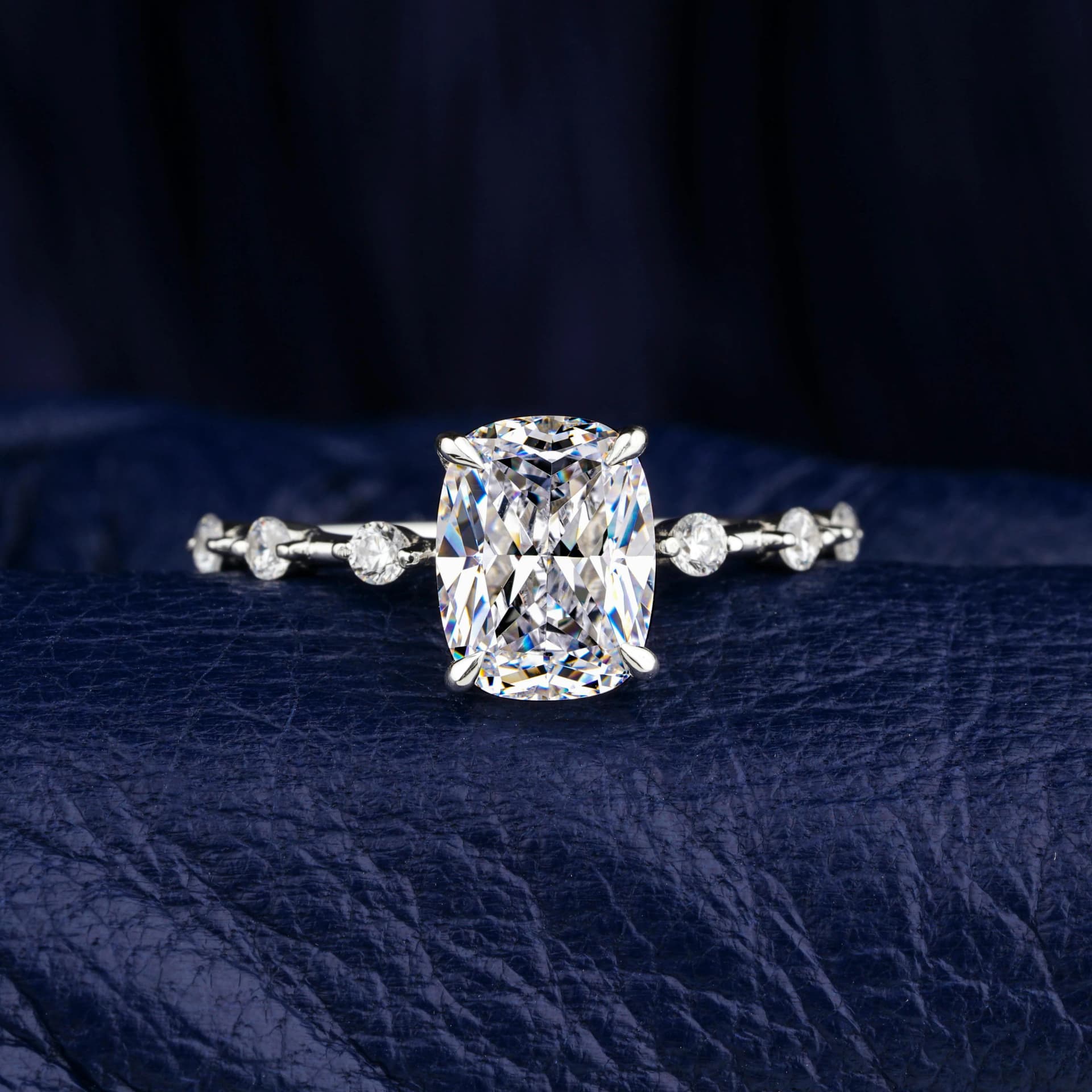
Lab-grown diamonds have captivated the jewellery industry and consumers alike, offering an ethical and sustainable alternative to mined diamonds. With their striking similarity to natural diamonds, these created gems spark curiosity about how they’re crafted. Let’s dive behind the scenes to explore how lab-grown diamonds are made, from choosing growth methods to refining each stone, so you can see just how science brings these precious gems to life.
In short: Lab-grown diamonds are produced by two methods: HPHT (replicating deep-Earth conditions on a diamond seed in 6-10 weeks) and CVD (growing diamond layer-by-layer from carbon-rich gas, 3-4 weeks). HPHT produces stones with metallic inclusions; CVD produces stones with pinpoints and natural-looking clouds. Both are graded by GIA/IGI on identical 4Cs.
What Are Lab-Grown Diamonds?
Lab-grown diamonds, sometimes called man-made or synthetic diamonds, are created in specialised facilities that replicate the natural processes of diamond formation. Despite common misconceptions, they’re far from diamond lookalikes. Lab-grown diamonds possess the same chemical, physical, and optical properties as natural diamonds, making them identical to the untrained eye. For more about the science and precision behind these gems, check out lab-grown diamonds in detail.
The primary distinction lies in their origin: lab-grown diamonds are cultivated in controlled environments, while natural diamonds form over billions of years under immense heat and pressure deep within the Earth.
Why Choose Lab-Grown Diamonds?
Lab-grown diamonds present a range of advantages, making them an attractive option for environmentally and socially conscious buyers. Compared to natural diamonds, lab-grown stones often come at a lower price point, making luxurious, high-carat diamonds more accessible. If you’re looking for options in various shapes, explore round lab-grown diamonds or cushion-cut diamonds for popular choices.
