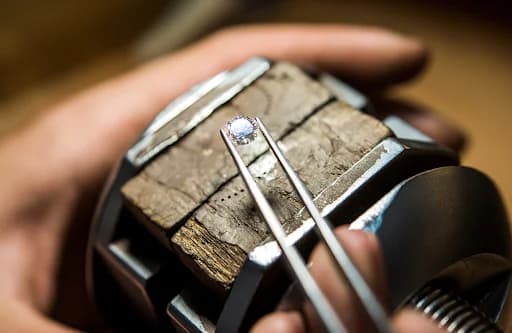
In recent years, lab-grown diamonds have become increasingly popular, not only for their stunning appearance but also for their ethical and environmental benefits. Whether you're searching for an engagement ring, a special piece of jewellery, or simply want to know more about these diamonds, this guide will help you work through the process of buying lab-grown diamonds in the UK.
The UK lab-grown buying checklist: (1) IGI or GIA certificate provided pre-purchase (with CVD/HPHT origin disclosed), (2) laser-inscribed report number on the stone, (3) full 4Cs grading not a retailer in-house score, (4) 30-day return policy, (5) UK-based workshop for setting. Expect £700-£2,000 for 1ct F/VS Excellent-cut round, 60-80% below natural equivalent.
Introduction to Lab Grown Diamonds
Lab-grown diamonds are real diamonds, made in a laboratory using advanced technology that replicates the natural conditions required to create diamonds. The result is a diamond that is chemically, physically, and optically identical to a natural diamond. These diamonds have gained popularity in the UK due to their affordability, ethical sourcing, and reduced environmental impact. You can learn more by browsing lab-grown diamonds in the UK.
Why Choose Lab Grown Diamonds?
Affordability
One of the biggest benefits of lab-grown diamonds is their cost. They are typically 30-40% less expensive than natural diamonds, allowing you to get a larger or higher-quality stone within your budget. Whether you're looking for a diamond engagement ring or a special piece of jewellery, lab-grown diamonds provide excellent value for money.
Ethical and Conflict-Free
Natural diamond mining has been linked to several ethical issues, including conflict diamonds and poor working conditions in some parts of the world. Lab-grown diamonds are a conflict-free alternative, offering peace of mind that your purchase is not contributing to unethical practices. If ethical sourcing is a priority, check out conflict-free lab-grown diamonds.
Environmental Impact
Mining diamonds from the earth is a resource-intensive process that can lead to significant environmental damage. In contrast, growing diamonds in a lab requires far fewer resources and causes minimal environmental harm, making lab-grown diamonds a more sustainable option.
Variety and Customisation
Lab-grown diamonds come in a variety of shapes, sizes, and colours. Whether you prefer a classic round diamond or a more unique cut, there are plenty of options to choose from. Also, lab-grown diamonds can be customised to suit your preferences, giving you more flexibility in designing your ideal piece of jewellery. You can explore a variety of round lab-grown diamonds or other shapes like cushion-cut lab-grown diamonds.
Where to Buy Lab Grown Diamonds in the UK
Jewellery Retailers
Many high-end jewellers across the UK now offer a selection of lab-grown diamonds. These retailers often provide an in-store experience where you can see the diamonds in person and get advice from experienced jewellers. You can also inquire about custom designs or browse their collection of lab-grown engagement rings.
Online Retailers
Buying lab-grown diamonds online has become increasingly popular due to the convenience and often lower prices. Online retailers typically have a wider selection, and you can easily compare prices and read reviews before making a purchase. Look for reputable websites that offer certifications, such as GIA or IGI, to ensure the quality of the diamond.
Direct from Manufacturers
Some diamond manufacturers and wholesale sellers allow you to buy lab-grown diamonds directly. This can be a cost-effective option, especially if you're looking for a larger stone or want to create a custom piece of jewellery. For wholesale options, check out wholesale diamond dealers.
Comparison Shopping
When buying lab-grown diamonds, it's essential to compare prices, quality, and customer service across different retailers. Take your time to explore various options and ensure you're getting the best possible deal.
Understanding Diamond Certification
What is Diamond Certification?
A diamond certification, or grading report, is an official document that details a diamond's characteristics, including its cut, colour, clarity, and carat weight. The certification ensures that the diamond you're purchasing has been independently evaluated by a gemological institute.
Types of Certifications
The most reputable certification bodies include the Gemological Institute of America (GIA) and the International Gemological Institute (IGI). These organisations provide unbiased assessments of a diamond's quality, giving you confidence in your purchase.
Verifying Lab Grown Diamond Certifications
When buying a lab-grown diamond, always ask for its certification and verify it with the issuing body. This guarantees the diamond's quality and confirms that it was indeed lab-grown.
The 4Cs of Diamonds: What You Should Know
Carat
The carat weight of a diamond refers to its size. Larger diamonds are more expensive, but thanks to the lower cost of lab-grown diamonds, you can often afford a larger stone than if you were buying a natural diamond.
Cut
The cut of a diamond affects how well it reflects light, which in turn determines its brilliance. A well-cut diamond will sparkle more and appear brighter. For a brilliant diamond, consider looking at princess-cut lab-grown diamonds.
Clarity
Clarity refers to the presence of inclusions or imperfections within a diamond. Lab-grown diamonds are generally of higher clarity than natural diamonds because they are created in a controlled environment.
Colour
Diamonds are graded on a scale from D (colourless) to Z (light yellow or brown). Lab-grown diamonds are available in a range of colours, from colourless to fancy coloured options. For a variety of options, check out fancy coloured diamonds.
Prioritising the 4Cs
When buying a lab-grown diamond, think about which of the 4Cs is most important to you. For example, if you're looking for a larger diamond, you may want to prioritise carat weight, while others might focus on cut for maximum brilliance.
How to Choose the Right Setting
Types of Diamond Settings
Popular diamond settings include solitaire, halo, and three-stone settings. Each offers a unique look, and the right choice depends on your personal style and the type of jewellery you're purchasing.
Metal Choices
When choosing a setting, consider the metal as well. Platinum, white gold, yellow gold, and rose gold are all popular options. Each metal has its own advantages, so choose one that complements your diamond and personal preferences.
Customising Your Diamond Setting
If you're looking for something unique, many jewellers offer custom design services that allow you to create a bespoke setting for your lab-grown diamond.
Tips for Buying Lab Grown Diamonds Online
Research Reputable Websites
Before purchasing, ensure the website you're buying from is reputable. Look for reviews, testimonials, and certifications to verify the retailer's credibility.
Reading Reviews and Testimonials
Customer reviews and testimonials provide valuable insight into the retailer's service and product quality. Take the time to read through reviews before making your decision.
Virtual Try-Ons and Visualisation Tools
Many online retailers offer tools that allow you to visualise how the diamond will look in different settings. This can help you make an informed decision without seeing the diamond in person.
Return Policies and Warranties
Check the retailer's return policy and warranty options before purchasing. This ensures you're protected if the diamond doesn't meet your expectations or if there are any issues with the product.
Lab Grown vs Natural Diamonds: Key Considerations
Appearance and Durability
Lab-grown diamonds are visually identical to natural diamonds and just as durable. Both types of diamonds score a 10 on the Mohs scale, meaning they are highly resistant to scratches and suitable for everyday wear.
Pricing Differences
One of the biggest differences between lab-grown and natural diamonds is the price. Lab-grown diamonds are generally more affordable, allowing you to get a larger or higher-quality stone for the same budget.
Ethical Considerations
Lab-grown diamonds are considered the more ethical choice, as they are conflict-free and have a lower environmental impact than mined diamonds.
Frequently Asked Questions (FAQs)
Are lab-grown diamonds real diamonds?
Yes, lab-grown diamonds are real diamonds. They have the same chemical, physical, and optical properties as natural diamonds.
How much cheaper are lab-grown diamonds compared to natural diamonds?
Lab-grown diamonds are typically 30-40% less expensive than natural diamonds of the same size and quality.
Can I insure a lab-grown diamond?
Yes, lab-grown diamonds can be insured just like natural diamonds. Be sure to check with your insurer for specific coverage details.
Do lab-grown diamonds hold their value over time?
While lab-grown diamonds are less expensive upfront, they may not retain their value as well as natural diamonds over time. However, the affordability and ethical benefits often outweigh this concern for many buyers.
What’s the best shape for lab-grown diamonds?
The best shape for your diamond depends on personal preference. Popular options include round, oval, and princess cuts, but lab-grown diamonds are available in a wide variety of shapes. You can explore options like oval lab-grown diamonds or heart-shaped lab-grown diamonds.
Making an Informed Purchase
Buying a lab-grown diamond in the UK is an exciting and rewarding experience, especially with the range of options available. By understanding the 4Cs, checking certifications, and choosing the right retailer, you can make an informed decision that suits your budget, style, and values. Whether you're looking for an engagement ring or a unique piece of jewellery, lab-grown diamonds offer beauty, brilliance, and peace of mind.