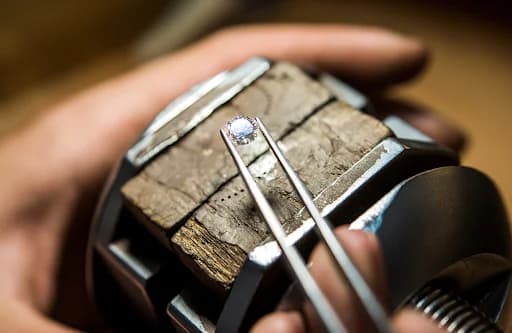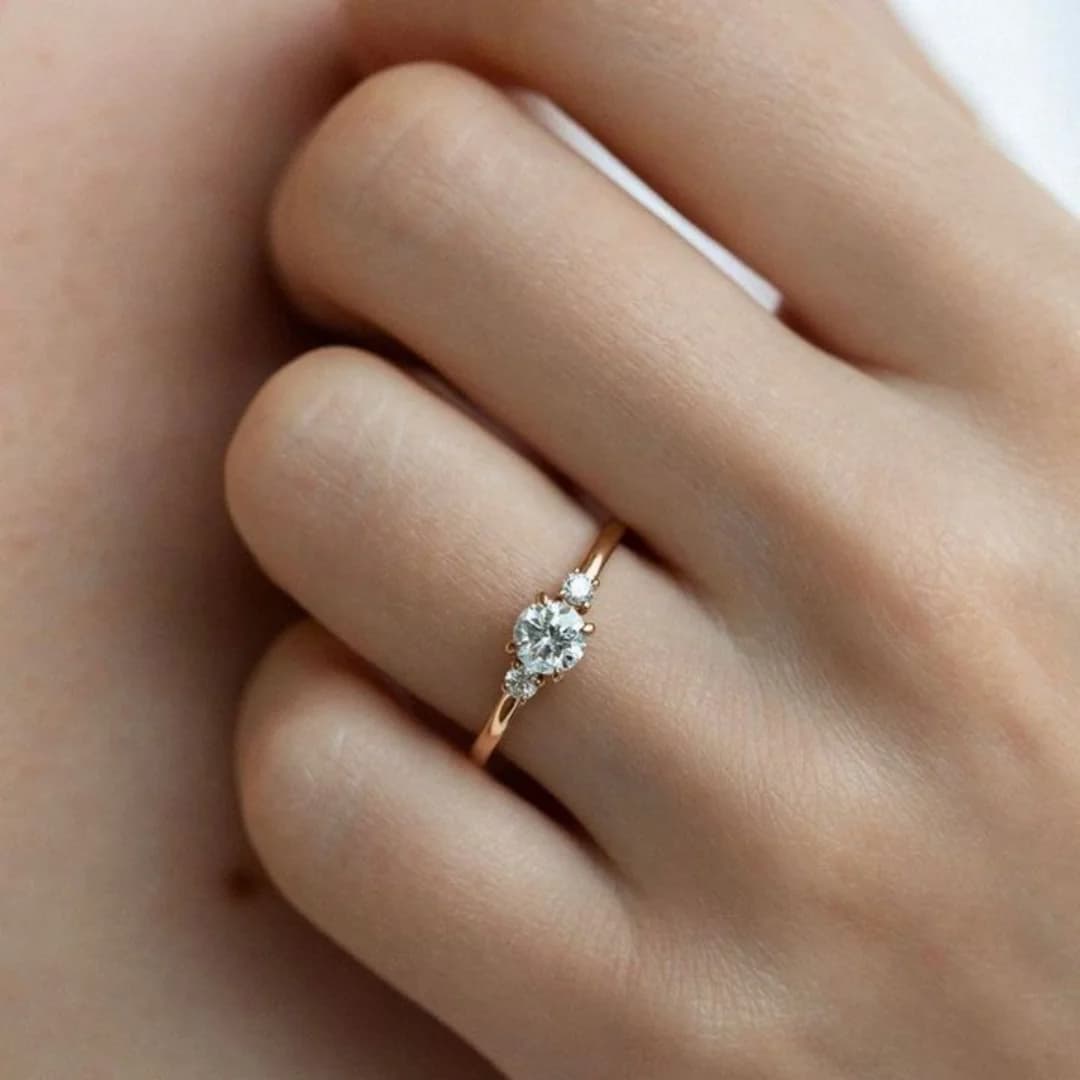
Lab-grown diamonds are becoming increasingly popular, offering a sustainable, ethical, and affordable alternative to mined diamonds. Whether you're looking for an engagement ring or a special piece of jewellery, these diamonds provide the same brilliance and beauty as natural diamonds, but at a fraction of the cost. However, with more retailers offering lab-grown diamonds, how do you know if you're getting a good deal?
Spot a good lab-grown diamond deal by comparing per-carat pricing on the wholesale benchmark (lab-grown wholesale runs £400-£900/ct for F/VS Excellent-cut 1ct rounds). A retail price below £1,800 for this spec in platinum is competitive; above £2,500 indicates brand or retail markup. Always insist on IGI or GIA certification before purchasing.
In this guide, we'll show you how to spot a good deal on lab-grown diamonds, ensuring that you get the best value for your money without compromising on quality.
Understanding the Basics of Lab-Grown Diamonds
Before diving into the details of finding a great deal, it's important to understand what lab-grown diamonds are. Unlike diamond simulants such as cubic zirconia, lab-grown diamonds are real diamonds. They're made using high-tech methods that replicate the natural process of diamond formation. The result is a diamond that’s chemically, physically, and optically identical to a mined diamond.
Lab-grown diamonds are often chosen for their ethical appeal. Since they're created in a controlled environment, they don't carry the environmental or human rights concerns that can be associated with mining. Also, they're generally 20-40% less expensive than natural diamonds, making them an attractive option for budget-conscious buyers. If you'd like to know more about the differences, learn more about lab-grown diamonds.
The 4 Cs: How to Evaluate a Lab-Grown Diamond
When shopping for any diamond—lab-grown or natural—the 4 Cs (Cut, Clarity, Carat, and Colour) are key factors to consider. These characteristics help determine the quality and value of the diamond.
- Cut: The cut refers to how well the diamond has been shaped and faceted. A well-cut diamond will reflect light beautifully, maximising its brilliance. Look for a diamond with an excellent or very good cut grade.
- Clarity: Clarity measures the presence of internal or external flaws, known as inclusions or blemishes. While no diamond is entirely free from imperfections, lab-grown diamonds with higher clarity grades will appear more flawless to the naked eye.
- Carat Weight: Carat refers to the size or weight of the diamond. While a larger carat may be tempting, it’s important to balance size with quality. A well-cut, smaller diamond can appear just as stunning as a larger one.
- Colour: Diamond colour is graded from D (completely colourless) to Z (noticeable yellow or brown tint). A diamond in the D-F range will be colourless, which is ideal, but diamonds in the G-J range offer a good balance of appearance and value.
To explore different shapes and sizes, check out lab-grown diamond cuts and shapes.
Look for Certification from Trusted Gemological Labs
When buying a lab-grown diamond, it's crucial to ensure that the stone is certified by a reputable gemological laboratory. Certification verifies the diamond's quality and provides peace of mind that you're getting exactly what you're paying for.
The most trusted certification bodies include the Gemological Institute of America (GIA) and the International Gemological Institute (IGI). These certificates detail the diamond's 4 Cs and other characteristics, allowing you to make an informed decision. Always check that the diamond you're purchasing comes with a certificate to confirm its value and authenticity.
If you're unsure where to start, find certified lab-grown diamonds.
Comparing Prices: How to Get the Best Value
Not all lab-grown diamonds are priced equally, so it’s important to compare prices between different retailers. You might find that one jeweller offers similar diamonds at a significantly lower cost than another. When comparing prices, ensure that the diamonds you're looking at have the same specifications (in terms of the 4 Cs).
Retailers may also offer discounts or promotions, particularly around holidays or special events. Keep an eye out for these opportunities, but always be cautious of deals that seem too good to be true, as they could indicate a lower-quality diamond.
If you're looking for great value, you can check out wholesale lab-grown diamond deals for competitive pricing.
Consider the Setting and Design
The setting of the diamond can greatly affect the overall cost of an engagement ring or piece of jewellery. A simple solitaire setting is often more affordable than intricate designs, while still showcasing the beauty of the diamond.
For those who want something unique, many jewellers offer custom designs, allowing you to choose both the diamond and the setting to create a one-of-a-kind piece. Opting for a simpler setting can help lower the overall cost, while a custom setting gives you more control over the final look of your ring.
To personalise your ring, customise your lab-grown diamond ring.
Be Aware of Return Policies and Warranties
When purchasing a lab-grown diamond, always check the retailer’s return policy and warranty. A good return policy allows you to return or exchange the diamond if it doesn’t meet your expectations, while a warranty protects against defects in the diamond or setting.
Make sure the retailer offers a reasonable return period and a comprehensive warranty to give you peace of mind in your purchase. This is particularly important for engagement rings or high-value jewellery pieces.
For more information on guarantees, learn about warranties for lab-grown diamonds.
Spotting a Good Deal: Red Flags to Avoid
While lab-grown diamonds are more affordable than natural diamonds, it’s still important to watch out for deals that seem too good to be true. Some common red flags include:
- Uncertified Diamonds: If a diamond isn’t certified by a reputable gemological institute, it’s difficult to know if the diamond is truly of good quality.
- Poorly Cut Diamonds: A lower price may indicate that the diamond has been poorly cut, resulting in less sparkle and brilliance.
- No Return Policy: Be wary of retailers who don’t offer returns or exchanges, as this could indicate a lack of confidence in their products.
Always buy from a trusted source to ensure you’re getting a high-quality diamond. Shop with confidence from trusted diamond suppliers.
Finding the Best Deal on Lab-Grown Diamonds
Finding a good deal on a lab-grown diamond involves more than just looking for the lowest price. By understanding the 4 Cs, ensuring certification, comparing prices, and considering the setting, you can make an informed choice that suits both your budget and your personal style.
Take your time, do your research, and shop from reputable retailers to find the perfect lab-grown diamond at a great price.
Explore lab-grown diamond collections to start your search today.
FAQs
How much cheaper are lab-grown diamonds compared to natural diamonds?
Lab-grown diamonds are typically 20-40% less expensive than natural diamonds of the same quality. This makes them a great option for those seeking affordable, high-quality diamonds.
Are certified lab-grown diamonds better?
Yes, always look for lab-grown diamonds that are certified by reputable gemological institutes like GIA or IGI. Certification ensures that the diamond’s quality has been independently verified.
What should I look for in a good lab-grown diamond deal?
Look for diamonds that are well-cut, have a good clarity grade, and come with certification. Compare prices across retailers and consider the setting to ensure you’re getting the best value.
How do I know if a lab-grown diamond is of high quality?
Check the diamond’s 4 Cs—Cut, Clarity, Carat, and Colour—as well as its certification. A high-quality diamond will have an excellent or very good cut, few inclusions, and a desirable colour grade.
Can I customise a lab-grown diamond engagement ring?
Yes, many jewellers offer customisation options for lab-grown diamond rings, allowing you to choose the diamond and setting to create a personalised piece of jewellery.