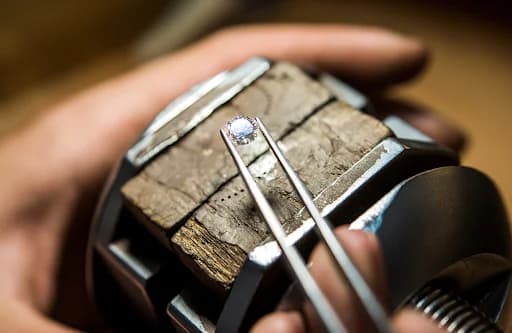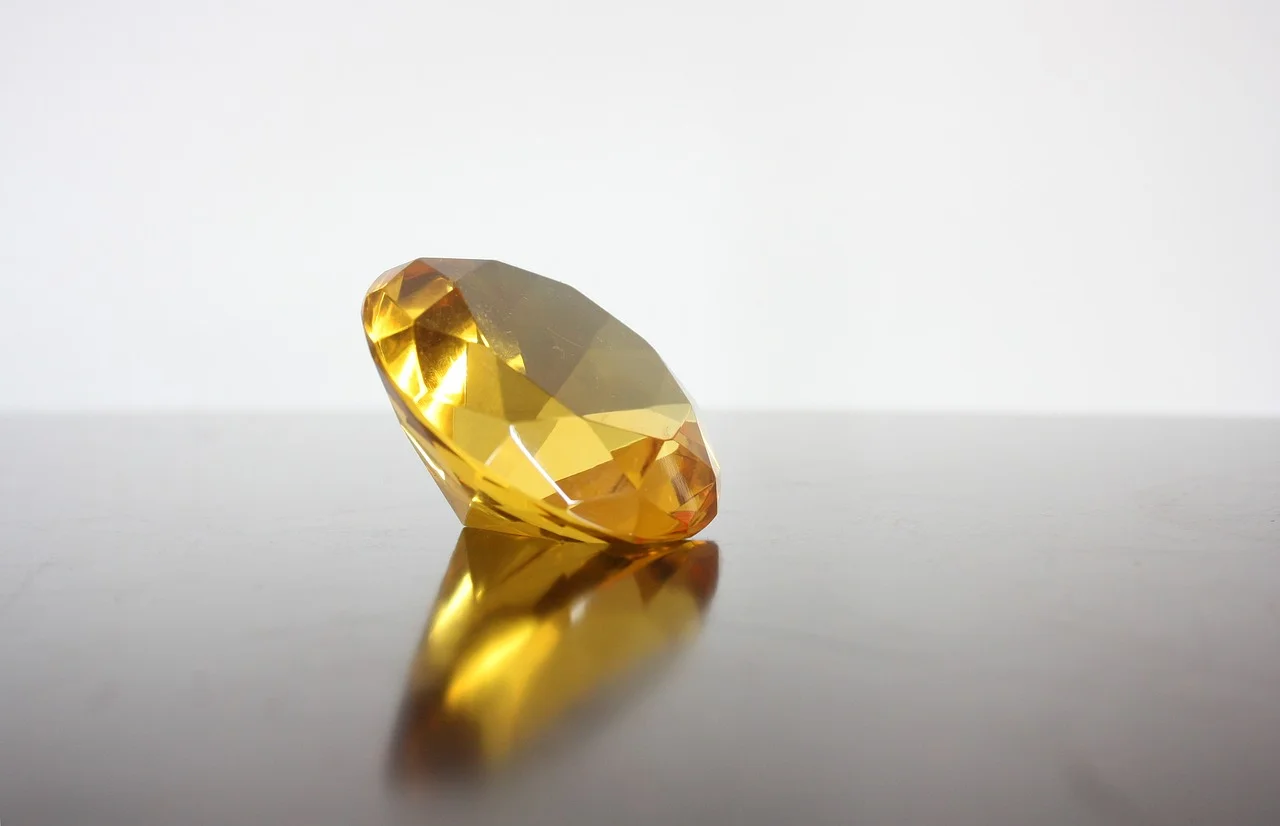
Lab-grown diamonds are real diamonds created in a laboratory using advanced technological processes. These diamonds share the same chemical and physical properties as natural diamonds, making them virtually identical to the naked eye. They’re formed through two methods: HPHT (High Pressure High Temperature) or CVD (Chemical Vapour Deposition), both of which replicate the natural conditions under which diamonds form.
Lab-grown and mined diamonds are visually identical to the naked eye and to standard handheld testers. Only specialist lab equipment (DiamondView UV spectrometers, photoluminescence testing) can distinguish them — which is why GIA and IGI certificates explicitly identify origin (CVD or HPHT for lab-grown). Always insist on a certificate; never rely on a retailer's word.
The key difference between lab-grown and natural diamonds lies in their origin. Natural diamonds are formed deep within the Earth over billions of years, while lab-grown diamonds are produced within weeks in a lab. The result, however, is the same—a beautiful, durable gemstone. Also, lab-grown diamonds are a more ethical and sustainable option, free from the environmental damage associated with diamond mining. If you're looking for eco-friendly and ethical diamonds, check out our selection of lab-grown diamonds.
Visual Differences Between Natural and Lab-Grown Diamonds
One of the most common questions is whether there are visual differences between natural and lab-grown diamonds. To the naked eye, they look identical. Lab-grown diamonds possess the same brilliance, fire, and sparkle as natural diamonds, which makes it impossible to distinguish between the two without specialised tools.
While many assume lab-grown diamonds will look different or less brilliant, this isn’t the case. The methods used to create them result in diamonds that are just as stunning as their natural counterparts. This is why, if you’re buying a diamond, it’s important to ask for certification to know exactly what you’re purchasing. If you're looking for beautiful options, explore our round lab-grown diamonds.
Advanced Tools for Detecting Lab-Grown Diamonds
Although natural and lab-grown diamonds are indistinguishable to the naked eye, jewellers and gem labs use advanced tools to tell the difference. These tools can detect subtle differences in the growth structure of the diamond.
One common method is using a diamond tester. These testers can measure the thermal and electrical conductivity of a diamond. While they can confirm whether a diamond is real, they often cannot differentiate between lab-grown and natural diamonds. To get a more precise result, fluorescence testing and UV light are used. Some lab-grown diamonds exhibit a stronger fluorescence under UV light, but this varies.
The most reliable way to tell if a diamond is lab-grown is through certification. Organisations like the GIA (Gemological Institute of America) and IGI (International Gemological Institute) certify diamonds, specifying whether the diamond is natural or lab-grown. When buying any diamond, it’s important to ensure that you receive certification from a trusted authority. Check out our range of certified fancy-coloured lab-grown diamonds for more unique options.
Examining Diamond Inclusions
One subtle way jewellers can differentiate between lab-grown and natural diamonds is by looking at inclusions. Inclusions are internal imperfections within a diamond, and they differ between natural and lab-grown diamonds.
Lab-grown diamonds, particularly those made using the HPHT method, may have metallic inclusions or growth-related patterns that don’t appear in natural diamonds. CVD diamonds can show distinct patterns that form during the growth process, such as strain or cloud-like inclusions. While these are often only visible under magnification, they can serve as clues for jewellers when determining whether a diamond is lab-grown.
However, inclusions are not a definitive test, and not all lab-grown diamonds will have these tell-tale signs. For the most accurate identification, professional testing and certification remain essential. If you're interested in exploring different diamond shapes, take a look at our stunning oval lab-grown diamonds.
Checking for Diamond Certification
Perhaps the easiest and most reliable way to determine if a diamond is lab-grown is by checking its certification. Certified diamonds come with detailed reports that specify whether they are natural or lab-grown, as well as their grading for clarity, cut, colour, and carat weight.
Trusted certification bodies like the GIA and IGI provide these reports for both natural and lab-grown diamonds. The certification will clearly state the diamond’s origin, giving you peace of mind when purchasing a diamond. Always ensure you buy diamonds from reputable jewellers who provide certified gems, whether they’re natural or lab-grown. For expertly graded diamonds, consider exploring our collection of princess lab-grown diamonds.
Can You Spot a Lab-Grown Diamond at Home?
For those hoping to test a diamond at home, it’s important to understand the limitations. Without the advanced tools used by gemologists, it’s nearly impossible to tell if a diamond is lab-grown with the naked eye.
That being said, some people attempt basic tests like checking for fluorescence under UV light. However, this method isn’t always reliable as not all lab-grown diamonds exhibit strong fluorescence. You could also use a diamond loupe to inspect for inclusions, but without training, it’s difficult to spot the subtle differences between lab-grown and natural inclusions.
Ultimately, the most effective way to identify a lab-grown diamond is through professional testing and certification. If you’re unsure about a diamond, take it to a certified jeweller for inspection. For those considering different cuts, check out our elegant emerald lab-grown diamonds.
Frequently Asked Questions (FAQs)
Can lab-grown diamonds pass as natural diamonds?
Yes, lab-grown diamonds are visually identical to natural diamonds and share the same chemical composition. Without specialised tools or certification, it’s impossible to tell the difference between the two.
Do lab-grown diamonds have serial numbers?
Some lab-grown diamonds, like natural diamonds, may have a laser inscription on their girdle (the thin edge of the diamond) that includes a serial number or identification mark. This is often included with certification.
Are lab-grown diamonds cheaper than natural diamonds?
Yes, lab-grown diamonds are typically 30-40% less expensive than natural diamonds of the same size and quality. This makes them a popular choice for those looking for a budget-friendly, ethical alternative.
Is it important to get a lab-grown diamond certified?
Absolutely. Certification provides you with a detailed report of your diamond’s quality and origin. It ensures transparency, especially if you want to verify whether your diamond is lab-grown or natural.
Can I insure lab-grown diamonds?
Yes, lab-grown diamonds can be insured just like natural diamonds. Most insurance companies will require certification to assess the value of the diamond for coverage purposes.
Knowing the Difference Between Lab-Grown and Natural Diamonds
While lab-grown and natural diamonds are visually indistinguishable, knowing how to tell the difference is important, especially when making a significant purchase. Whether you’re using advanced tools, examining inclusions, or checking certifications, it’s essential to work with a trusted jeweller and always verify your diamond’s origin.
Lab-grown diamonds are a fantastic option for those looking for a more ethical, affordable, and environmentally friendly choice without sacrificing beauty. By knowing how to identify these diamonds, you can make an informed decision that aligns with your values and budget. For more insights into different diamond cuts, check out our marquise lab-grown diamonds for a unique and elegant look.