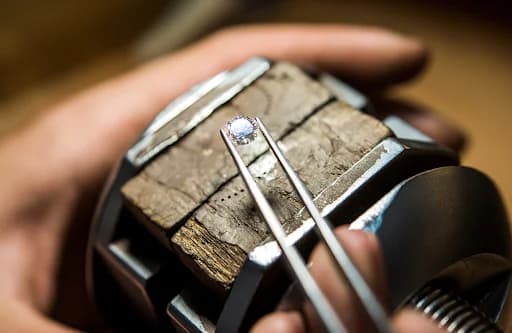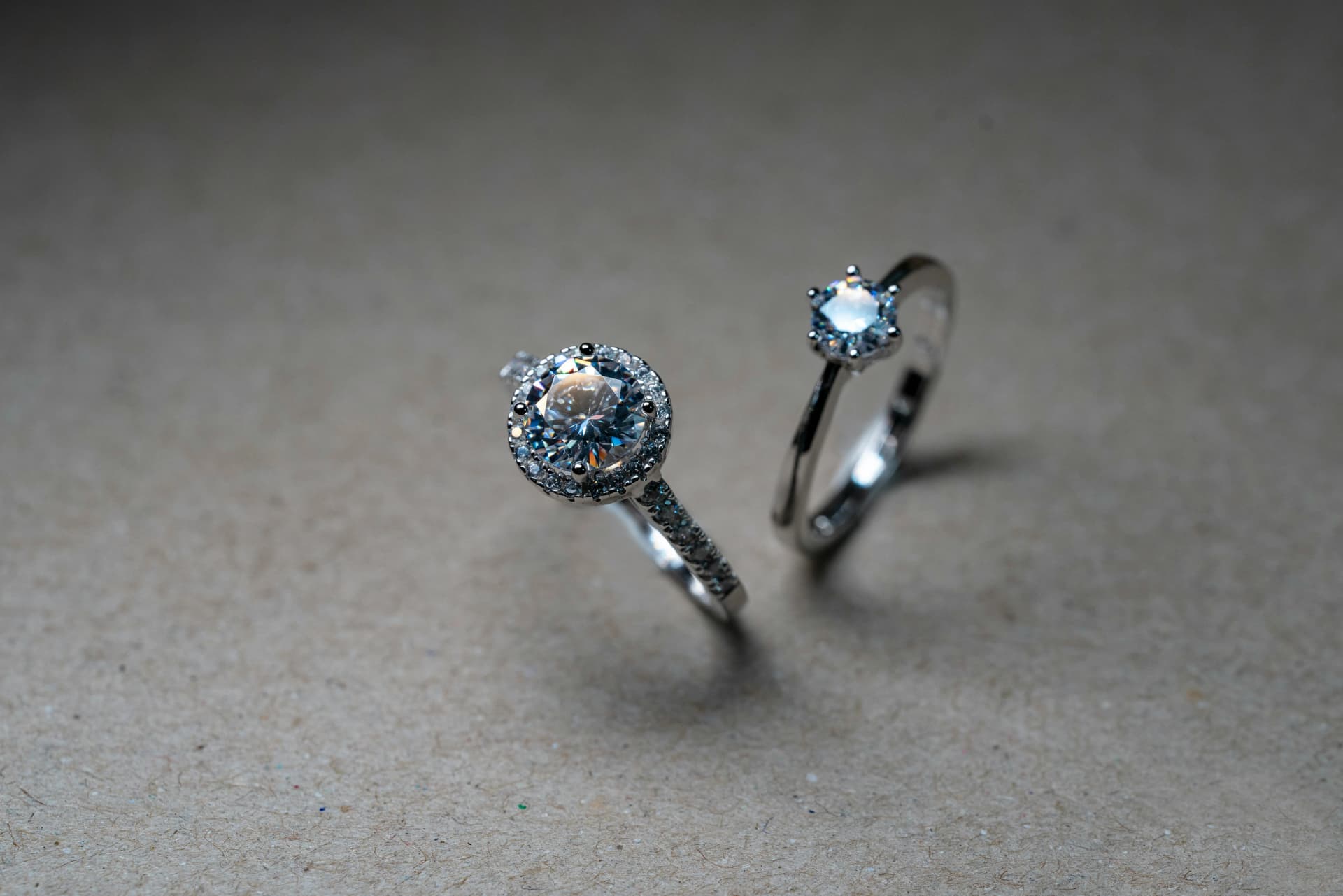
Creating a unique piece of jewellery can be a truly personal experience. It tells your story or expresses your values. Lab-grown diamonds have made their way into the spotlight for just this reason.
Lab-grown diamonds enable distinctive pieces that would be unaffordable in mined-equivalent: 3-5ct centre stones, fancy-colour yellow/pink/blue, salt-and-pepper diamonds, large diamond pavé tennis bracelets. The 60-80% cost saving versus mined makes 2-5ct centre stones accessible at sub-£5,000 price points where natural would run £20,000+.
As beautiful, ethical, and often more affordable alternatives to mined diamonds, lab-grown diamonds are changing the way we think about luxury jewellery. In this guide, we’ll take a closer look at lab-grown diamonds, why they’re the perfect choice for one-of-a-kind jewellery, and everything you need to know to design your own stunning pieces.
What Are Lab Grown Diamonds?
Lab-grown diamonds are real diamonds created through advanced technology rather than being extracted from the earth.
They’re made in highly controlled laboratory environments that mimic the natural conditions under which mined diamonds form. This produces stones that are identical to natural diamonds in every way – from their crystal structure to their physical properties.
If you’re interested in seeing a range of lab-grown diamonds, you can view our full collection of lab-grown diamonds here.
These diamonds are often created using one of two methods: High Pressure, High Temperature (HPHT) or Chemical Vapour Deposition (CVD).
The HPHT process applies extreme pressure and heat to carbon to grow diamond crystals. The CVD method involves placing a diamond ‘seed’ in a heated chamber filled with carbon-rich gas that crystallises into diamond over time.
For more insights on where you can find specific shapes of lab-grown diamonds, take a look at options like the round lab-grown diamonds or princess lab-grown diamonds.
Why Choose Lab Grown Diamonds for Unique Jewellery?
Opting for a lab-grown diamond isn’t just a choice for beauty. It’s a choice that reflects a commitment to sustainability, value, and flexibility in design. Here’s why they make the perfect option for creating unique pieces:
Sustainability and Ethical Appeal
Lab-grown diamonds are celebrated for being a more environmentally friendly and ethical choice. Unlike mined diamonds, which often carry concerns over ecological impact and ethical issues, lab-grown diamonds are produced with minimal environmental disruption.
By choosing a lab-grown diamond, you’re supporting an eco-conscious and conflict-free alternative that looks just as brilliant as any mined diamond.
Cost-Effectiveness
Lab-grown diamonds tend to be around 30-40% less expensive than mined diamonds of the same quality.
This affordability doesn’t sacrifice quality or appearance. But it does allow you to spend more on other custom features in your jewellery, such as a more intricate setting, a unique band, or even a complementary gemstone.
To explore a range of styles and price options, browse through our wholesale diamond selection to discover the right fit for your budget.
Design Flexibility
Lab-grown diamonds offer flexibility that makes them ideal for bespoke and unique jewellery designs. Since they are readily available in a wide range of sizes, shapes, and qualities, they’re a perfect choice whether you want a classic solitaire or an elaborate, one-of-a-kind design.
Lab-grown diamonds open up the freedom to explore creative ideas and to make adjustments to fit your vision without the same financial constraints that can come with mined diamonds. You might find inspiration from various shapes, such as the cushion cut or the pear shape, both of which add a distinctive look to custom designs.
Popular Types of Jewellery Using Lab Grown Diamonds
Lab-grown diamonds aren’t limited to engagement rings. They bring their brilliance to various types of jewellery. Here are some popular options:
Engagement Rings
Lab-grown diamonds are fast becoming a favourite for engagement rings. Their quality, combined with their ethical appeal, makes them a wonderful choice for couples looking to celebrate their love with something meaningful.
From timeless solitaires to intricate halo settings, lab-grown diamonds offer plenty of design possibilities to create a personalised ring that reflects your style and values.
Earrings and Bracelets
For anyone seeking luxury earrings or bracelets, lab-grown diamonds deliver dazzling style without the environmental cost.
Diamond studs, for instance, are a classic choice that radiates elegance, while tennis bracelets can showcase multiple lab-grown diamonds. Each reflects light beautifully for a piece that’s as luxurious as it is sustainable.
Necklaces and Pendants
Lab-grown diamonds are also ideal for necklaces and pendants.
They can be crafted into delicate chains with a subtle sparkle or bold pendant styles that showcase larger stones. Whether it’s a single diamond pendant or a necklace adorned with several smaller stones, lab-grown diamonds give you the freedom to create a unique piece that will captivate.
Customising Unique Jewellery Pieces with Lab Grown Diamonds
Creating a piece of jewellery that’s truly your own often comes down to the finer details. With lab-grown diamonds, customisation options are plentiful, so you can add a truly personal touch.
Custom Cuts and Shapes
The variety of cuts available for lab-grown diamonds is extensive. This allows you to choose a shape that resonates with your personal style.
From round and princess cuts to marquise, pear, and even custom shapes, lab-grown diamonds offer the flexibility to create a look that stands out. If you’re curious about fancy cuts, take a look at options like marquise and heart-shaped lab-grown diamonds for a truly unique style.
Settings and Metal Choices
Pairing your diamond with the perfect metal is key to achieving your desired look. Lab-grown diamonds look stunning in white, yellow, or rose gold, as well as platinum.
Whether you prefer the classic gleam of white gold or the modern warmth of rose gold, each metal offers a unique way to frame your diamond and enhance its beauty.
Incorporating Personal Elements
Personalisation can go beyond just the diamond and setting. Engraving a message, adding a secondary gemstone, or experimenting with a mixed-metal design are just a few of the ways you can make your piece uniquely yours.
For example, some couples opt to set their lab-grown diamond alongside a gemstone that represents a special month or memory. This adds layers of meaning to their jewellery.
Comparing Lab Grown Diamonds with Natural Diamonds in Jewellery
When it comes to deciding between lab-grown and natural diamonds, understanding the distinctions is helpful in making an informed choice.
Appearance and Quality
Lab-grown diamonds are virtually identical to mined diamonds in appearance, so much so that even a professional gemologist would need specialised equipment to tell the difference.
Both types offer the same sparkle, clarity, and brilliance. This ensures that lab-grown diamonds do not compromise on quality or beauty.
Longevity and Durability
Lab-grown diamonds, like mined diamonds, are extremely durable. They score a 10 on the Mohs hardness scale. This durability makes them a fantastic choice for everyday jewellery, as they can withstand the wear and tear that comes with regular use.
Value and Investment
While lab-grown diamonds are more affordable upfront, they don’t typically hold the same resale value as natural diamonds.
However, the ability to invest in a unique, custom design often outweighs the need for resale value. For those who prioritise sustainability and design over long-term investment, lab-grown diamonds offer unmatched value.
If you’re interested in natural options, you can learn more about fancy coloured diamonds to see how mined and lab-grown varieties differ in appearance and rarity.
How to Care for Lab Grown Diamond Jewellery
To keep your lab-grown diamond jewellery looking its best, regular care is essential. Here are some tips to maintain its sparkle and beauty:
- Regular Cleaning: Clean your jewellery at home by soaking it in warm soapy water and gently brushing it with a soft toothbrush. This helps remove oils and dirt that can dull its shine.
- Storage: Store your jewellery in a soft-lined box, preferably in individual compartments to avoid scratches.
- Professional Cleaning: For deeper cleaning, take your pieces to a professional jeweller once or twice a year. This will ensure any stubborn residue or build-up is removed, keeping your jewellery pristine.
Frequently Asked Questions
Are lab-grown diamonds real diamonds?
Yes, lab-grown diamonds are real diamonds.
They have the same chemical composition, structure, and properties as mined diamonds, making them just as beautiful and durable.
Do lab-grown diamonds have resale value?
While lab-grown diamonds may not hold as high a resale value as natural diamonds, they offer significant upfront savings and are perfect for those seeking sustainable and affordable luxury.
Can I customise a lab-grown diamond to match my specific design?
Absolutely. Lab-grown diamonds offer great flexibility in terms of shape, size, and setting, making them ideal for customised and unique jewellery pieces.
How long do lab-grown diamonds last?
Lab-grown diamonds are as durable as mined diamonds and will last a lifetime when properly cared for.