Lab Grown Diamonds: Revolutionising the Jewellery Industry
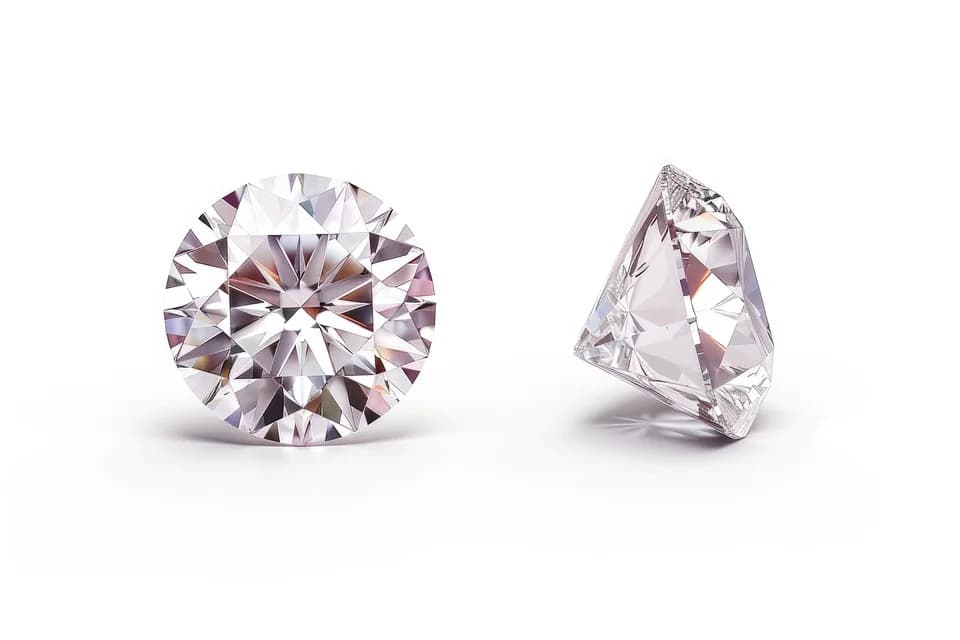
The jewellery industry has long been dominated by the allure of natural diamonds. Their sparkle, rarity, and association with luxury have made them highly coveted for generations. But now, the industry is experiencing a dramatic shift. Lab-grown diamonds are making waves, offering consumers an ethical, affordable, and equally dazzling alternative to mined diamonds. As the demand for more sustainable and conscious choices continues to rise, lab-grown diamonds are not only transforming the way we think about jewellery but also revolutionising the industry itself.
In short: Lab-grown diamonds now account for roughly 20% of UK engagement-ring sales (up from <5% in 2020), have pushed mined-diamond wholesale prices down 30-40%, and triggered industry-wide adoption of explicit origin disclosure on certificates. Identical chemistry and Mohs 10 hardness to mined, at 60-80% lower retail cost.
What Are Lab-Grown Diamonds?
Lab-grown diamonds, as the name suggests, are diamonds created in laboratories using advanced technology. They are not synthetic imitations like cubic zirconia or moissanite – they are real diamonds. By replicating the natural process of diamond formation, scientists create diamonds that are chemically, physically, and optically identical to those formed deep within the Earth.
There are two main methods used to create lab-grown diamonds: Chemical Vapour Deposition (CVD) and High-Pressure High-Temperature (HPHT). Both processes yield diamonds that are indistinguishable from natural diamonds to the naked eye, even by trained gemologists. This means that when you choose a lab-grown diamond, you are getting the same brilliant sparkle, hardness, and durability as a mined diamond. You can explore different lab-grown diamond shapes like cushion or princess cut to personalise your jewellery.
