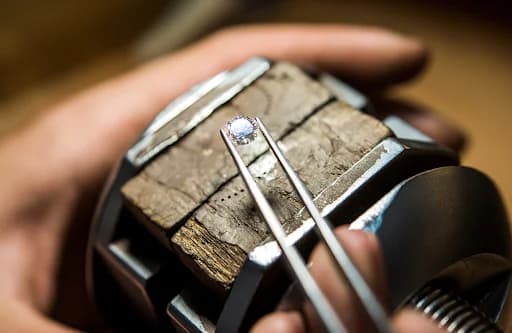
Choosing a diamond used to mean weighing beauty and budget and hoping the supply chain behind your stone was sound. For shoppers who care about the human and environmental cost of what they buy, that uncertainty is no longer necessary. Lab-grown diamonds offer the same beauty with a far clearer conscience, and they have quickly become the default choice for ethically minded buyers.
Lab-grown diamonds are genuine diamonds created in controlled conditions, which means a documented origin, no mining-related land disturbance, and no risk of funding conflict. They cost significantly less than mined stones of the same quality, so ethical shopping does not have to mean compromising on size or sparkle.
What “ethical” really means for a diamond
Ethics in jewellery covers several distinct concerns: the conditions of the people who bring a stone to market, the impact on local communities and landscapes, and honesty about where a diamond originated. Mined diamonds vary enormously on all three counts, and even well-intentioned certification schemes cannot always guarantee a spotless chain of custody. A laboratory-grown diamond sidesteps much of this by being produced in a known facility with a traceable path to your ring.
A transparent, conflict-free origin
Because a lab-grown diamond is created rather than extracted, there is no ambiguity about whether it might be linked to conflict or exploitative labour. This traceability is one of the main reasons couples browsing our engagement rings increasingly ask specifically for lab-grown centre stones. If you want to understand the wider case, our guide on why to choose lab-grown diamonds for ethical engagement rings goes deeper.
Lighter on the landscape
Diamond mining can move enormous quantities of earth and reshape local environments. Growing a diamond above ground avoids that physical disruption entirely. It is worth being accurate here: growing diamonds does use energy, and the environmental benefit depends partly on how that energy is generated. Even so, the absence of large-scale excavation gives lab-grown stones a meaningful edge for many buyers. You can read a fuller account in our piece on the environmental impact of lab-grown diamonds.
Ethics without a price penalty
One of the quiet advantages of shopping ethically this way is that it usually saves money rather than costing more. A lab-grown diamond typically costs far less than a mined equivalent of the same cut, colour and clarity, so your budget stretches further — whether towards a larger stone, a matching wedding band, or simply keeping some money back. Compare like for like in our price comparison.
How to buy with confidence
The single most important step is certification. At Rêve Diamonds every lab-grown diamond is graded by an independent laboratory such as IGI or GIA, giving you an objective report rather than a sales claim. Our diamond education hub walks you through reading that report so you know exactly what you are paying for.
Frequently asked questions
Are lab-grown diamonds genuinely more ethical?
For most buyers, yes. They carry a documented origin, avoid mining-related land disturbance, and remove the risk of funding conflict. The main caveat is energy use during growth, which varies by producer.
Can I get a lab-grown diamond certified?
Yes. Lab-grown diamonds are graded to the same standards as mined ones by laboratories such as IGI and GIA, and reputable retailers supply the certificate with the stone.
Do ethical diamonds cost more?
No. Lab-grown diamonds usually cost considerably less than mined diamonds of equivalent quality, so choosing the more transparent option tends to save you money.