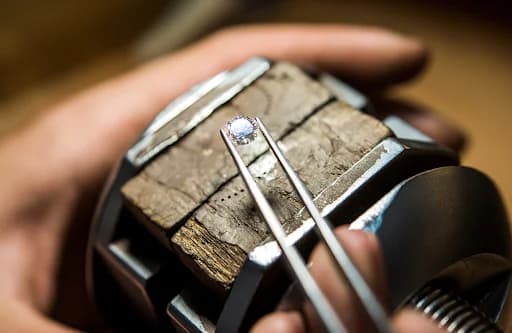
Lab grown diamonds are created in high-tech laboratories using cutting-edge techniques that mimic the natural process of diamond formation. The two most common methods used to produce these diamonds are High Pressure High Temperature (HPHT) and Chemical Vapour Deposition (CVD). Both processes result in diamonds that are chemically, physically, and visually identical to those mined from the earth.
Lab-grown diamonds are projected to reach 30-40% of UK engagement-ring sales by 2030 — up from ~20% in 2025 and <5% in 2020. The shift is fastest at sub-£3,000 budgets where the 60-80% cost saving vs mined is most impactful, and slowest at investment-grade 3ct+ where natural diamonds retain stronger resale value.
One of the biggest misconceptions about lab grown diamonds is that they are “fake” or inferior to natural diamonds. This couldn’t be further from the truth. Lab grown diamonds are just as real and sparkling as their mined counterparts. Even expert gemologists require specialised equipment to tell the difference between lab grown and mined diamonds.
The Popularity of Lab Grown Diamonds in Jewellery
In recent years, lab grown diamonds have gained tremendous popularity, particularly among eco-conscious and ethically-minded consumers. More and more people are choosing lab grown diamonds for all types of jewellery, from stunning engagement rings to elegant necklaces and bracelets.
This growing demand is driven by several factors. Firstly, lab grown diamonds offer a more affordable option without compromising on quality. Secondly, consumers are increasingly aware of the environmental and ethical issues associated with traditional diamond mining, making lab grown diamonds an attractive alternative. Many high-end jewellers are now incorporating lab grown diamonds into their collections, further cementing their place in the future of fine jewellery.
If you’re considering eco-friendly options for your jewellery, take a look at our collection of fancy coloured lab grown diamonds.
Environmental Benefits of Lab Grown Diamonds
One of the most significant advantages of lab grown diamonds is their minimal impact on the environment. Traditional diamond mining is notorious for its devastating effects on ecosystems, including deforestation, soil erosion, and water pollution. mining operations consume vast amounts of energy and emit high levels of carbon, contributing to global warming.
Lab grown diamonds offer a more sustainable solution. Since they are created in laboratories, they require far less land, water, and energy, significantly reducing their carbon footprint. Also, lab grown diamonds do not involve the destruction of ecosystems, making them the perfect choice for environmentally conscious consumers.
For those interested in reducing their environmental impact, lab grown diamonds offer a way to enjoy the beauty of diamonds without the guilt.
Ethical Sourcing and Transparency
The ethical concerns surrounding mined diamonds are well-documented. Conflict diamonds, or blood diamonds, have fuelled wars and human rights abuses in certain parts of the world. Although measures like the Kimberley Process have been introduced to curb the trade in conflict diamonds, the system is not foolproof, and some unethical practices still persist.
Lab grown diamonds completely eliminate these ethical concerns. Because they are created in controlled environments, lab grown diamonds are guaranteed to be conflict-free. This transparency and traceability are crucial for consumers who want to ensure their purchases align with their values.
If you’re looking for ethically sourced diamonds, check out our fancy coloured diamonds for responsibly crafted jewellery.
Why Lab Grown Diamonds Are Ideal for Engagement Rings
Lab grown diamonds have quickly become a favourite for engagement rings, and it’s easy to see why. They offer all the sparkle and beauty of natural diamonds, but at a fraction of the cost. This means couples can invest in a larger, more impressive diamond without blowing their budget. Also, the ethical and environmental advantages of lab grown diamonds make them a responsible choice for couples who want their engagement ring to reflect their values.
Another benefit of lab grown diamonds is the flexibility they offer in terms of customisation. Since these diamonds can be produced in a range of shapes, sizes, and colours, they allow for greater creativity when designing engagement rings. Whether you prefer the enduring style of a round diamond or the unique charm of a pear or oval cut, lab grown diamonds give you endless options to create a ring that’s uniquely yours.
Popular cuts like cushion lab grown diamonds and princess lab grown diamonds offer a wide variety of choices for your perfect ring.
Lab Grown Diamonds vs Natural Diamonds: Key Differences
Although lab grown diamonds and natural diamonds are virtually identical in terms of appearance and composition, there are a few key differences worth considering:
- Affordability: Lab grown diamonds are typically 20-40% less expensive than their natural counterparts. This allows buyers to choose larger or higher-quality diamonds without breaking the bank.
- Ethical sourcing: Lab grown diamonds are completely free from the ethical issues associated with mined diamonds, offering peace of mind for conscientious consumers.
- Environmental impact: Lab grown diamonds have a much smaller environmental footprint compared to mined diamonds, making them a more sustainable choice for the future.
If you’re considering lab grown diamonds for your next purchase, explore our round lab grown diamonds for the perfect ethical option.
Lab Grown Diamonds in Fine Jewellery
Beyond engagement rings, lab grown diamonds are becoming a popular choice for all types of fine jewellery. From dazzling earrings to exquisite bracelets and necklaces, lab grown diamonds provide the same luxury and elegance as natural diamonds. Jewellers are increasingly incorporating these diamonds into their collections, offering bespoke and custom designs that reflect modern values.
Lab grown diamonds are particularly popular for creating personalised pieces, allowing buyers to design jewellery that truly represents their style and personality. Whether you’re looking for a timeless piece or something more contemporary, lab grown diamonds give you the flexibility to craft jewellery that is as unique as you are.
For inspiration, browse our selection of emerald lab grown diamonds and heart lab grown diamonds.
The Future of Jewellery: The Role of Lab Grown Diamonds
Lab grown diamonds are not just a passing trend—they represent the future of the jewellery industry. As consumers become more aware of the environmental and ethical impact of their purchases, the demand for lab grown diamonds is set to increase even further. With advancements in technology making these diamonds more accessible, lab grown diamonds could soon become the standard in fine jewellery and engagement rings.
This shift reflects a broader change in consumer attitudes, where sustainability, transparency, and responsibility are just as important as beauty and luxury. Lab grown diamonds offer a way for consumers to enjoy the brilliance of diamonds while making choices that align with their values. As the market continues to evolve, lab grown diamonds will play an essential role in shaping the future of jewellery.
FAQs
Are lab grown diamonds real diamonds?
Yes, lab grown diamonds are real diamonds. They have the same chemical composition, physical properties, and optical brilliance as mined diamonds. The only difference is their origin—lab grown diamonds are created in a laboratory rather than being mined from the earth.
How can you tell the difference between lab grown and mined diamonds?
It is nearly impossible to distinguish between lab grown and mined diamonds with the naked eye. Even expert gemologists require specialised equipment to tell them apart.
Are lab grown diamonds more affordable than natural diamonds?
Yes, lab grown diamonds are typically more affordable. They often cost 20-40% less than natural diamonds of the same size and quality, making them an excellent value.
Do lab grown diamonds hold their value?
Lab grown diamonds tend to have a lower resale value than natural diamonds. However, their growing popularity and ethical appeal are making them an increasingly attractive option for consumers who value sustainability.
Are lab grown diamonds a good choice for engagement rings?
Absolutely! Lab grown diamonds are an excellent choice for engagement rings. They offer the same beauty and durability as natural diamonds, but with the added benefits of being more affordable and ethically sourced.