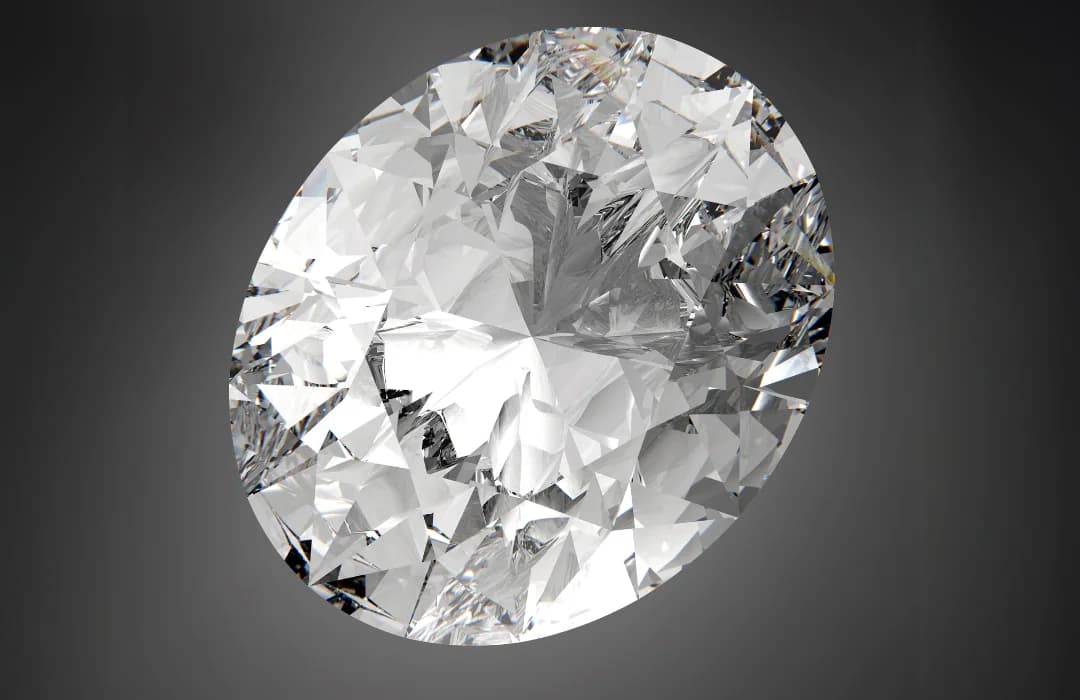
Oval diamonds have surged in popularity across the UK, gracing engagement rings, pendants, and heirloom jewellery with their timeless elegance. Their elongated shape not only mimics the sparkle of round brilliant cuts but also offers a fresh, modern twist that appeals to both traditional and contemporary tastes. Whether you’re shopping for a classic solitaire or a more intricate design, oval diamonds have a charm that can suit almost any style.
One of the most fascinating aspects of an oval diamond is its length-to-width ratio. This measurement is a subtle detail that greatly influences the diamond’s overall appearance, affecting everything from its perceived size to the way it reflects light. If you're interested in exploring a curated selection, check out Compare Oval Shape Diamond Ratio for our full range of oval diamonds.
In this guide, we’ll dive deep into what makes oval diamond ratios so significant. We’ll cover everything from the basic calculation and the visual impact of different ratios to practical tips for choosing the best option for your hand. Along the way, we’ll debunk some common myths and offer advice to ensure that your purchase is both beautiful and a wise investment.
Understanding Oval Diamond Ratios
What Is the Length-to-Width Ratio?
The length-to-width ratio is a straightforward measurement that compares the diamond’s length with its width. For example, if an oval diamond measures 8mm in length and 5mm in width, the ratio is 1.6 to 1. This ratio is key to understanding the diamond’s shape and overall look. A ratio close to 1.0 would indicate a nearly round shape, while higher ratios create a more elongated appearance.
This ratio helps you decide whether you prefer a diamond that appears more rounded and soft or one that gives a sleek, elongated impression. It’s a simple number, but its impact on the stone’s aesthetics and how it complements your hand cannot be overstated.
How the Ratio Shapes Appearance and Sparkle
The magic of the oval diamond lies in how its shape interacts with light. A higher ratio, such as 1.7 to 1, tends to produce a slender, finger-lengthening effect that many find attractive for engagement rings. On the other hand, a lower ratio, say around 1.3 to 1, results in a softer, more rounded look reminiscent of vintage designs.
However, there is a delicate balance. If the diamond is too elongated, it might develop what is known as a bow-tie effect – a dark, shadowy area that appears across the center of the stone. While a slight bow-tie can add character, an overly pronounced effect may detract from the diamond’s sparkle and overall appeal.
Understanding these nuances is critical, as the right ratio not only enhances the diamond’s beauty but also maximizes its brilliance. A well-balanced oval will capture and reflect light evenly, ensuring that it dazzles from every angle.
Common Oval Diamond Ratios Explained
- Classic Ratios (1.3:1–1.4:1): These ovals have a softer, vintage appeal with a shape that is nearly rounded. They are perfect for traditional designs and those seeking a timeless look.
- Balanced Ratios (1.5:1–1.6:1): The most popular choice among UK buyers, these diamonds offer a modern feel with the perfect mix of elongation and brilliance. Their balanced proportions enhance carat visibility and sparkle.
- Elongated Ratios (1.7:1+): These ovals are designed to make a bold statement. They create a dramatic, elongated look that is ideal for those with slim fingers or anyone seeking a contemporary, eye-catching design. Expert cutting is crucial to minimize any undesirable bow-tie effect.
By understanding these different ratios, you can better appreciate how a slight change in proportions can transform the overall appearance of your diamond.
Comparing Popular Oval Diamond Ratios
Classic Ratios: Timeless and Traditional
Classic ratios are perfect for those who are drawn to a vintage aesthetic. These ovals have a softer, more rounded look that works beautifully in solitaire settings. They are particularly flattering on smaller hands, providing an elegant and understated appearance.
While their design exudes tradition, the trade-off is that these diamonds may appear slightly smaller when viewed face-up. Despite this, many buyers appreciate the nostalgic charm that classic ratios bring to a piece of jewelry.
Balanced Ratios: The Sweet Spot
Balanced ratios represent the ideal compromise between elegance and modern appeal. With proportions typically around 1.5 to 1.6, these diamonds maximize the visible carat weight without compromising on brilliance. They are versatile enough to be set in halo or three-stone designs, making them a favorite among many UK shoppers.
If you’re looking for a diamond that offers both substantial sparkle and a contemporary look, balanced ratios are an excellent choice. For further insights and to explore a variety of styles, check out Compare Oval Shape Diamond Ratio to see our full range.
Elongated Ratios: Bold and Modern
Elongated ratios provide a distinctly modern and dramatic look. These ovals are designed to create the illusion of longer, more slender fingers, making them especially popular for engagement rings. Their extended shape can add a striking element to any design.
However, because these diamonds are cut to be more elongated, they require an expert hand to ensure that the bow-tie effect remains subtle. When done right, elongated ovals can be a choice that exudes confidence and style.
How to Choose the Right Oval Diamond Ratio for You
Consider Your Finger Shape and Hand Size
One of the most important considerations when selecting an oval diamond is how it will look on your hand. For those with slim fingers, opting for a more elongated ratio (around 1.6:1 or higher) can enhance the natural elegance of your hand by creating a lengthening effect. On the other hand, if you have wider fingers, a balanced ratio (around 1.5:1) might be more flattering, as it offers sophistication without overwhelming your hand.
Align with Your Personal Style
Your personal style plays a major role in determining the right diamond for you. If you are drawn to a vintage aesthetic, classic ratios that feature a softer, almost rounded look may be perfect. These diamonds often pair well with intricate details like milgrain edging or antique-inspired settings.
Conversely, if your taste leans toward modern minimalism, sleek elongated ratios can offer a contemporary edge that complements modern jewelry settings such as bezel or peg settings. The key is to choose a ratio that not only flatters your hand but also reflects your unique style.
Practical Tips for UK Buyers
When shopping for an oval diamond, it pays to do a little homework. Here are some practical tips to help you make the best choice:
- Try Before You Buy: Utilize virtual try-on tools or visit reputable local jewellers in areas like Hatton Garden. Seeing the diamond on your hand can make a big difference in how you perceive its size and sparkle.
- Certification Matters: Always ensure that your diamond comes with reputable certifications such as GIA or HRD Antwerp. These certifications verify the diamond’s ratio, cut, and overall quality. For a wider range of options, check out Compare Oval Shape Diamond Ratio and also browse our Loose Diamonds collection if you’re considering a custom design.
- Consider Your Lifestyle: Think about how the diamond will fit into your daily life. If you have an active lifestyle or work with your hands, you might want a setting that offers extra security for your diamond.
- Budget Wisely: While a particular ratio might be trending, always balance aesthetics with practicality. Sometimes, a slightly different ratio might offer better value without sacrificing the beauty of the diamond.
Taking these factors into account can help ensure that your investment not only looks stunning but also holds its value over time.
Debunking Common Myths About Oval Diamond Ratios
Myth: A Higher Ratio Means a Better Diamond
There is a common misconception that the more elongated an oval diamond is, the better its quality. In reality, while a higher ratio can indeed create a dramatic look and enhance the illusion of longer fingers, overly narrow stones—those above approximately 1.8:1—can sometimes compromise the diamond’s sparkle. The best oval diamonds strike a balance, offering both beauty and optimal light performance.
Myth: Bow-Tie Effects Are Flaws
Almost every oval diamond will show some degree of the bow-tie effect, which is a natural phenomenon caused by the way light interacts with the stone’s shape. Only when the effect becomes too dark or distracting should it be a concern. In most cases, a slight bow-tie adds character without diminishing the diamond’s overall beauty.
Myth: The Ratio Doesn’t Impact Price
Another myth is that the length-to-width ratio has no bearing on the diamond’s price. In truth, rare ratios, especially those in the elongated category, can sometimes command a premium. Even if two diamonds have the same carat weight, the one with a more desirable or unique ratio might be priced higher due to increased demand.
Frequently Asked Questions About Oval Diamond Ratios
Q: What’s the most popular oval ratio in the UK?
A: In the UK, the most popular oval diamond ratios typically fall between 1.5:1 and 1.6:1, offering a blend of modern appeal and timeless elegance.
Q: Can a jeweller adjust the ratio of a diamond?
A: No. The length-to-width ratio is determined during the cutting process and is set once the diamond is fashioned. It is important to review the certification to ensure that the measurements meet your expectations.
Q: Does a higher ratio make the diamond appear larger?
A: Yes, an elongated diamond can give the illusion of being larger. Even if the carat weight is lower, the extended shape helps the stone appear more prominent on the finger.
Q: How do I check for a bow-tie effect?
A: The best method is to view the diamond under natural light and tilt it slightly. A faint bow-tie effect is normal; however, if you see a dark, unbroken band, it might be best to consider another option.
Final Recommendations for UK Shoppers
Choosing an oval diamond is a personal journey that combines aesthetics, quality, and practicality. Here are some final tips to help you make the right decision:
- Prioritize Cut Quality: No matter which ratio you choose, a well-cut diamond will always maximize brilliance and sparkle. Don’t compromise on quality for the sake of trend.
- Explore Trusted Jewellers: Consider exploring exquisite settings in our Engagement Rings category to see how different designs can enhance the beauty of an oval diamond.
- Review Return Policies: Always check the jeweller’s return policy to ensure you can exchange the diamond if it does not meet your expectations once you see it in person.
- Take Your Time: With so many factors at play, it’s important to take your time during the selection process. Consider all aspects – from the diamond’s certification and cut quality to its overall appearance on your hand.
- Invest in What You Love: Ultimately, the best diamond for you is the one that reflects your personal style and makes you feel confident. Trust your instincts and choose a piece that you will cherish for years to come.
Remember, the beauty of an oval diamond is in its details – from its graceful shape to the way it catches the light. Armed with the knowledge of diamond ratios and practical shopping tips, you can confidently select a diamond that not only dazzles but also complements your unique style.
For those looking for even more inspiration and options, be sure to check out Compare Oval Shape Diamond Ratio on our website. With a diverse collection available, you’re sure to find the perfect stone that meets your every desire.
We hope this guide has helped demystify the complexities behind oval diamond ratios and empowered you to make an informed decision. Happy shopping, and may your chosen diamond bring both beauty and joy to your life!
The most flattering oval-cut diamond ratios sit between 1.35 and 1.50 (length-to-width) — anything under 1.30 looks rounded, anything over 1.55 appears narrow and may show a stronger bow-tie effect. UK buyers spend roughly £1,200-£2,800 on a 1.00ct lab-grown oval D/VS1 and £6,000-£9,500 on the natural equivalent. The 1.40 ratio is the Hatton Garden standard for engagement rings.