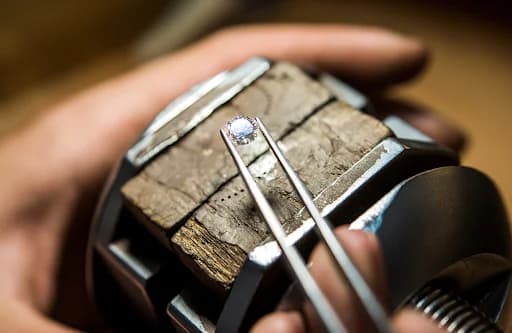
The world of jewellery is evolving, and one of the biggest shifts we’ve seen in recent years is the growing popularity of lab-grown diamonds. Once considered a niche option, these diamonds are now making their way into the mainstream as more consumers seek ethical, affordable, and eco-friendly alternatives to traditionally mined diamonds. But should you make the switch to lab-grown diamonds? In this article, we’ll explore the pros and cons to help you make an informed decision.
Yes — if budget or ethics drive the decision. Lab-grown diamonds are chemically identical to mined (pure carbon, Mohs 10) and cost 60-80% less, with a 1.00ct D/VS1 round at £1,400-£1,800 versus £6,500+ natural. They carry GIA or IGI certification and trace fully to a UK or overseas lab. Natural diamonds hold resale value better and remain the traditional heirloom choice.
What Are Lab-Grown Diamonds?
Lab-grown diamonds are not imitations or substitutes—they are real diamonds. They are created in laboratories using advanced technology that replicates the natural process of diamond formation. This means they have the same physical, chemical, and optical properties as mined diamonds. The only difference is their origin. Lab-grown diamonds are produced using methods such as Chemical Vapour Deposition (CVD) or High Pressure High Temperature (HPHT), which allow them to develop in a matter of weeks rather than over billions of years beneath the Earth’s surface.
The result is a diamond that is just as brilliant and durable as a natural diamond, but without the environmental and ethical baggage that often accompanies traditional diamond mining. You can check out lab-grown diamonds to explore a range of ethical diamond options.
Pros of Lab-Grown Diamonds
Affordability
One of the biggest advantages of lab-grown diamonds is their price. Lab-grown diamonds are typically 30-40% cheaper than mined diamonds of the same size and quality. This makes them an appealing option for those looking to invest in a larger or higher-quality stone without blowing the budget. Whether you’re shopping for an engagement ring or a pair of diamond earrings, lab-grown diamonds offer luxury at a more affordable price point.
Ethical Sourcing
Lab-grown diamonds are free from the ethical concerns that have long plagued the diamond industry, such as conflict diamonds (also known as blood diamonds) and poor working conditions for miners. When you choose a lab-grown diamond, you can be confident that it was produced in a controlled environment with transparency and ethical practices in mind. This makes lab-grown diamonds an ideal choice for consumers who want to make responsible and guilt-free purchases.
Eco-Friendly Option
Diamond mining is notorious for its environmental impact, from land degradation and deforestation to water pollution and significant carbon emissions. Lab-grown diamonds, on the other hand, have a much smaller environmental footprint. They require far less land, water, and energy to produce, and many labs now use renewable energy sources to reduce their carbon footprint even further. By choosing a lab-grown diamond, you’re helping to minimise environmental harm without compromising on quality or beauty. If you’re interested in fancy colours, you can explore fancy-coloured lab-grown diamonds.
Availability and Customisation
Lab-grown diamonds are more readily available than their mined counterparts, and they come in a wide range of shapes, sizes, and colours. This makes them perfect for those looking to design custom jewellery. Whether you want a classic round diamond, a princess cut, or even a fancy-coloured stone, lab-grown diamonds offer a level of flexibility and variety that makes creating bespoke pieces much easier and more accessible. For instance, you can explore different cuts like princess cut, emerald cut, or pear cut diamonds.
Cons of Lab-Grown Diamonds
Perception and Resale Value
While lab-grown diamonds are growing in popularity, they can still be seen by some as less valuable than natural diamonds. For many people, the rarity of a diamond is part of its allure, and lab-grown diamonds don’t carry the same sense of rarity or exclusivity. This perception can also impact the resale value of lab-grown diamonds. Unlike mined diamonds, which may hold or even increase in value over time, lab-grown diamonds generally have a lower resale value, which could be a concern if you’re looking to treat your diamond as an investment.
Not As Rare or Unique
Because lab-grown diamonds are created in laboratories, they can be produced in larger quantities, which means they lack the unique story of natural diamonds formed over billions of years. For some, part of the charm of owning a diamond is knowing that it’s a rare and ancient gem. Lab-grown diamonds, while beautiful and ethically produced, don’t have the same rarity, and this can be a downside for those who want a gemstone with a unique history.
Limited Market Acceptance
Although lab-grown diamonds are becoming more mainstream, they are not yet fully accepted in every corner of the luxury market. Some high-end jewellers and collectors still prefer natural diamonds, which could impact the long-term value and desirability of lab-grown diamonds in certain circles. This limited market acceptance may not be an issue for everyday consumers, but for those seeking status or long-term investment, it could be a consideration.
Who Should Consider Switching to Lab-Grown Diamonds?
Ethical Consumers
If ethical sourcing and sustainability are at the top of your list, then lab-grown diamonds are an excellent choice. They provide a transparent and ethical alternative to mined diamonds, ensuring you don’t have to worry about contributing to harmful practices in the diamond industry. You can explore more about lab-grown diamonds for ethical options.
Budget-Conscious Shoppers
For those looking to get more value for their money, lab-grown diamonds offer the chance to buy a larger or higher-quality stone for the same price as a smaller mined diamond. This makes lab-grown diamonds a smart choice for anyone who wants to stretch their budget without compromising on style or sparkle.
Custom Jewellery Seekers
Lab-grown diamonds are ideal for those wanting to design unique, custom jewellery pieces. With a wide range of shapes, sizes, and colours readily available, they provide endless options for creating bespoke engagement rings, necklaces, and other personal pieces of jewellery. For more inspiration, you can explore different cuts like cushion cut or radiant cut diamonds.
Lab-Grown Diamonds vs Natural Diamonds: A Quick Comparison
Let’s take a look at some of the key differences between lab-grown and natural diamonds:
- Cost: Lab-grown diamonds are more affordable, offering better value for money.
- Environmental Impact: Lab-grown diamonds have a significantly lower environmental impact, with fewer resources used in their production.
- Ethics: Lab-grown diamonds are free from ethical concerns such as conflict diamonds and exploitative labour practices.
- Resale Value: Natural diamonds tend to hold their value better than lab-grown diamonds.
- Rarity: Natural diamonds are unique, formed over billions of years, whereas lab-grown diamonds are produced in a controlled environment.
Making an Informed Decision
Deciding whether to switch to lab-grown diamonds ultimately comes down to your personal priorities. If you value affordability, ethical sourcing, and sustainability, lab-grown diamonds are a fantastic option. They offer all the beauty and brilliance of natural diamonds without the hefty price tag or ethical concerns. However, if you place a high value on rarity, resale potential, and the timeless allure of natural diamonds, then sticking with mined diamonds might be the right choice for you.
Whatever you decide, the key is to make an informed decision that aligns with your values and what you’re looking for in a diamond.
FAQs
Are lab-grown diamonds real diamonds?
Yes, lab-grown diamonds are real diamonds. They have the same chemical, physical, and optical properties as mined diamonds, making them indistinguishable to the naked eye.
Are lab-grown diamonds cheaper than natural diamonds?
Yes, lab-grown diamonds are typically 30-40% cheaper than natural diamonds of the same size and quality, making them a more affordable option.
Can you tell the difference between lab-grown and natural diamonds?
No, even expert gemologists cannot tell the difference between lab-grown and natural diamonds without specialised equipment. They are visually and chemically identical.
Do lab-grown diamonds have resale value?
While lab-grown diamonds do have some resale value, they generally do not hold their value as well as natural diamonds, which are considered rarer and more sought-after in the luxury market.
Is it more eco-friendly to choose lab-grown diamonds?
Yes, lab-grown diamonds have a much smaller environmental footprint compared to mined diamonds. They require less land, water, and energy, making them a more sustainable choice.