Tanzanite: The Vivid Violet-Blue of December's Birthstone
Few gemstones make an entrance quite like tanzanite. With its mesmerising violet-blue glow, it has become one of the most sought-after coloured stones in the world – remarkable for a gem that was unknown until the late 1960s. As one of December's birthstones, tanzanite is a meaningful and striking choice for winter celebrations.
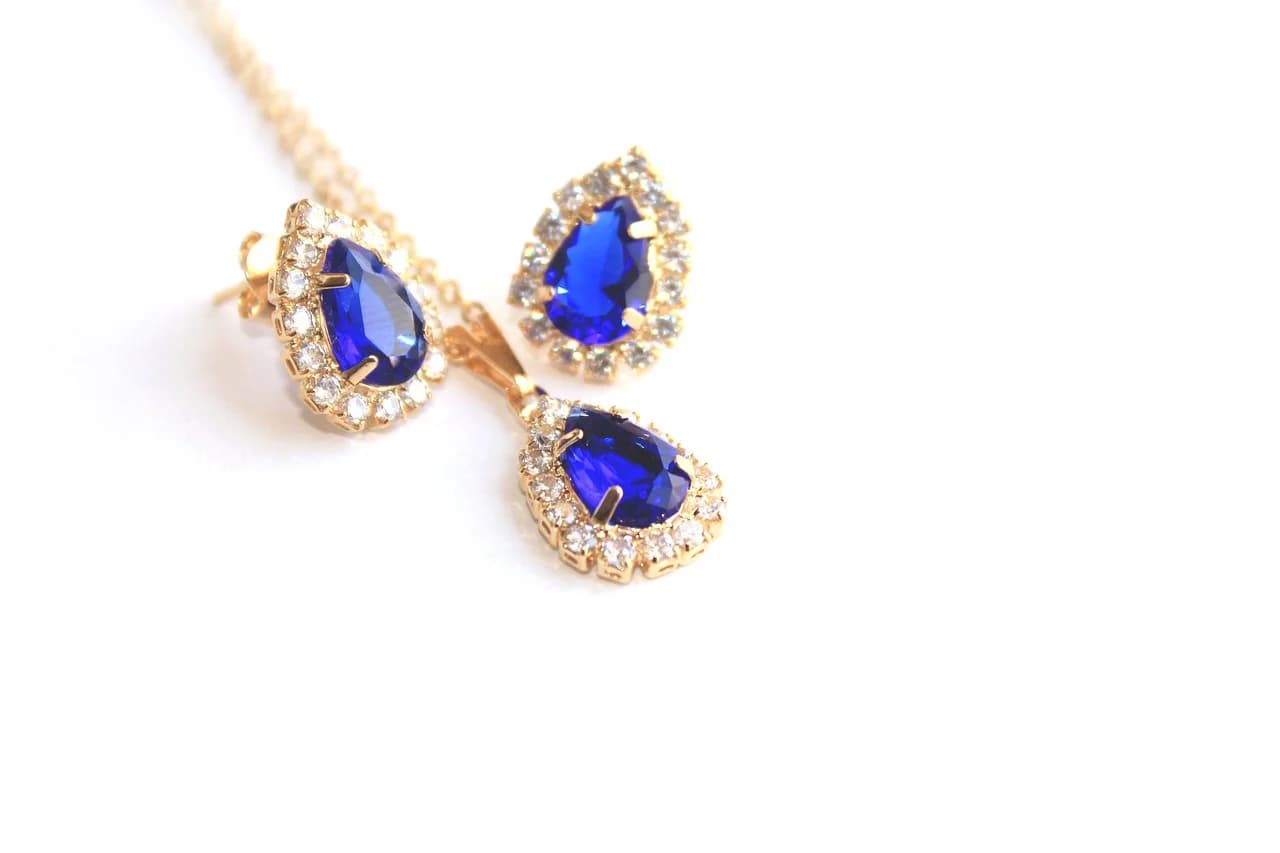
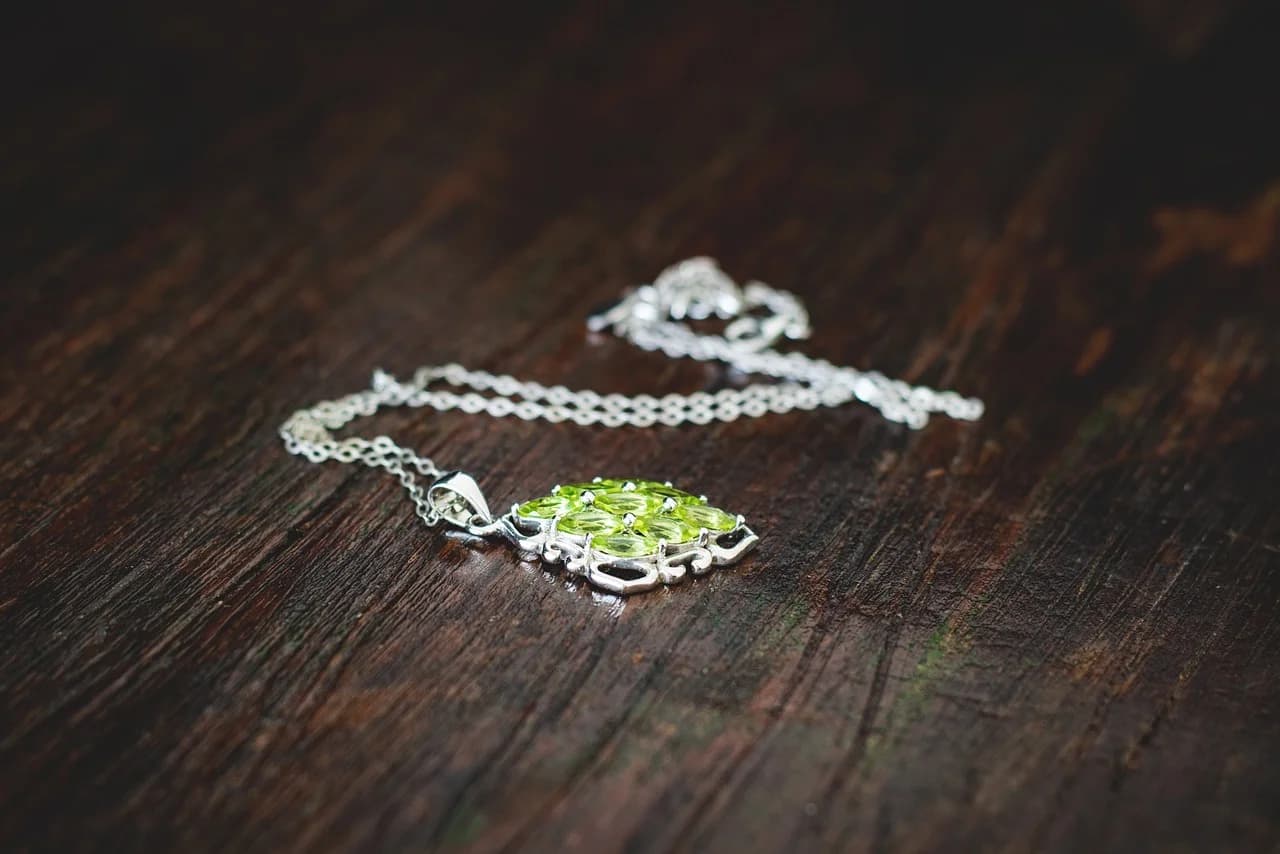
Tanzanite is a blue-violet variety of the mineral zoisite, found in only one place on Earth – a small area near Mount Kilimanjaro in Tanzania. It is prized for its rich colour and pleochroism, but at 6–7 on the Mohs scale it is softer than a diamond and needs gentle care. It looks stunning in pendants and earrings, often paired with diamonds.
A gemstone with a single source
Tanzanite was first discovered in 1967 in the Merelani Hills of northern Tanzania, and to this day that narrow deposit remains its only known source in the world. This extreme rarity – geologists often note it is many times scarcer than diamond – is a large part of its appeal and means supply is genuinely finite.
Why the colour is so special
Tanzanite is strongly pleochroic, meaning it shows different colours – typically blue, violet and burgundy – when viewed from different angles. Cutters orient each stone to bring out the most desirable blue-violet face-up colour. The finest examples display a deep, velvety blue with violet flashes; lighter, more lavender tones are generally more affordable. Most tanzanite is gently heat-treated to achieve its signature blue, which is standard and stable.
Hardness and care
At 6–7 on the Mohs scale, tanzanite is more delicate than the diamonds, sapphires and rubies used in everyday rings. It can chip or scratch with hard knocks, so it is best suited to earrings and pendants, or to rings worn occasionally rather than daily. Clean it with warm soapy water and a soft brush – never use ultrasonic or steam cleaners, and avoid sudden temperature changes. If you would like a harder centre stone for an everyday ring, our engagement ring collection and diamond education guides can help.
What tanzanite costs in the UK
Prices vary widely with colour saturation, size and clarity. Commercial-quality tanzanite might start from around £150–£300 per carat, while top gem-quality stones with deep blue-violet colour can reach £600 per carat or more, with larger fine stones commanding a premium because saturation increases with size.
How to wear it
Tanzanite's cool blue-violet pairs beautifully with white metals and sparkling white diamonds, which amplify its colour. A tanzanite pendant or a pair of drop earrings makes an elegant December birthday or anniversary gift. For a coordinated look, consider matching pieces from our necklaces and earrings collections.
Frequently asked questions
Is tanzanite suitable for an engagement ring? It can be, but because it is relatively soft it needs a protective setting and gentle wear; many couples choose it as an accent alongside a harder diamond.
Why is tanzanite so rare? It is found in just one small area of Tanzania, and that single source makes long-term supply limited.
Is tanzanite always treated? The vast majority is routinely heat-treated to develop its blue-violet colour, which is a stable and widely accepted practice.