Lab-grown diamonds have entered the fashion and luxury jewellery scene with immense appeal, offering a modern alternative that’s captivating, ethical, and surprisingly accessible.
Major luxury houses began incorporating lab-grown diamonds from 2020 onward, with brands launching dedicated lab-grown collections through 2024-2025. UK demand has followed, with over 60% of 2025 engagement-ring centre stones now lab-grown. A 1.00ct D/VS1 round sits at £1,400-£1,800 lab versus £6,500+ natural. Identical chemistry (Mohs 10), GIA or IGI certification and 4-6 week lab production support the shift.
As more people shift their focus toward sustainable and responsibly-sourced luxury, lab-grown diamonds are making waves across all facets of jewellery, from daily wear to high-end pieces.
But what exactly makes lab-grown diamonds so desirable in today’s market?
Let’s dive into this fascinating evolution and explore why they’re quickly becoming a jewellery box essential.
Introduction to Lab-Grown Diamonds
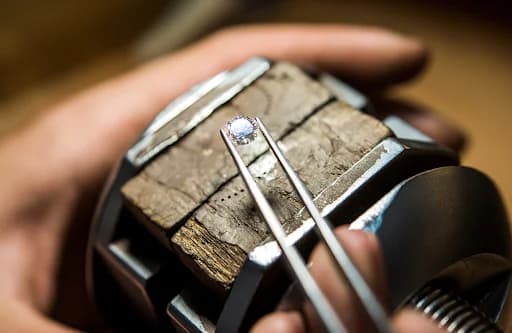
Lab-grown diamonds, also known as synthetic or cultured diamonds, are essentially real diamonds created through controlled scientific processes rather than traditional mining.
Despite what some might think, lab-grown diamonds share the same physical, chemical, and optical properties as natural diamonds, meaning they’re virtually indistinguishable to the naked eye.
For a closer look at lab-grown diamonds available in the UK, explore the wide variety of shapes and cuts to find your ideal match.
The popularity of lab-grown diamonds has surged in recent years, largely driven by a more eco-conscious generation and a desire for affordable luxury.
With growing awareness around ethical sourcing and environmental concerns, lab-grown diamonds offer a compelling alternative to mined diamonds – and it’s no wonder why consumers are embracing them with open arms.
How Lab-Grown Diamonds Are Made
Creating lab-grown diamonds is a scientific marvel that involves replicating the natural conditions under which diamonds form.
There are two main processes for this: High Pressure High Temperature (HPHT) and Chemical Vapour Deposition (CVD).
HPHT mimics the intense pressure and heat found deep within the earth, while CVD involves a chamber filled with carbon-rich gas, where carbon atoms gradually build up to form a diamond.
Both processes yield stones with the same atomic structure as natural diamonds.
For those interested in customising their selection, you can search for round lab-grown diamonds and other unique shapes to find the perfect fit for your style.
However, lab-grown diamonds require only weeks to form compared to millions of years for natural diamonds, making them both efficient and scalable.
Lab-Grown Diamonds in Fashion Jewellery
Lab-grown diamonds have captured the fashion world’s attention, allowing people to enjoy luxurious jewellery without breaking the bank.
One of the most significant benefits is that lab-grown diamonds can offer larger carats or more intricate designs at a fraction of the cost, making statement jewellery more accessible than ever.
Fashion trends are always evolving, and lab-grown diamonds make it easy to stay on top of what’s in vogue.
From delicate stacking rings to bold, diamond-encrusted chokers and layered bracelets, lab-grown diamonds are adding a touch of elegance to jewellery collections everywhere.
The influence of social media has also played a role in their popularity.
Many influencers and celebrities, drawn to the ethical and modern appeal of lab-grown diamonds, are proudly showcasing them on Instagram and beyond.
This visibility helps normalise lab-grown options, making them a chic and eco-friendly choice for fashion-forward individuals.
If you’re looking for a unique statement piece, consider exploring fancy coloured lab-grown diamonds to add a vibrant, distinctive touch to your jewellery.
Lab-Grown Diamonds in High-End Luxury Jewellery
Luxury brands are beginning to recognise the value of lab-grown diamonds, integrating them into their collections as an ethical alternative to mined diamonds.
Known for exclusivity and innovation, luxury brands like Tiffany & Co., Cartier, and De Beers have dipped their toes into the lab-grown diamond space, acknowledging that sustainability is no longer a preference – it’s a necessity.
Lab-grown diamonds align beautifully with luxury brands’ goals for eco-conscious production, and their relatively lower costs allow designers to be more experimental with design.
This flexibility opens the door to bespoke and avant-garde jewellery that appeals to collectors who seek exclusivity and elegance without the ecological impact of traditional diamond mining.
To find distinctive cuts, browse options like princess lab-grown diamonds or radiant lab-grown diamonds for a unique, high-end look.
Environmental and Ethical Benefits
One of the biggest draws of lab-grown diamonds is their reduced environmental footprint.
Mined diamonds often come with significant environmental costs, such as deforestation, soil erosion, and water pollution.
Lab-grown diamonds, by contrast, have a much smaller impact, consuming less energy and preserving natural landscapes.
Ethics also play a huge role in their appeal.
With lab-grown diamonds, consumers can avoid the risks associated with conflict diamonds (or “blood diamonds”), which are sometimes sourced from conflict-ridden areas where profits can fuel violence and exploitation.
Lab-grown diamonds offer a transparent and traceable option, appealing to those who want to make responsible and conflict-free choices.
On a larger scale, fewer mines mean less disruption to local communities and wildlife habitats, creating a more harmonious relationship with the environment.
As more consumers become aware of these benefits, lab-grown diamonds continue to gain traction as the ethical and eco-friendly jewellery choice.
The Future of Lab-Grown Diamonds in Fashion and Luxury
The future of lab-grown diamonds looks incredibly promising, with new technological advancements making production more efficient and accessible.
As the technology improves, lab-grown diamonds are expected to reach even greater levels of quality and affordability, positioning them as the go-to choice for both casual wear and fine jewellery.
Market analysts predict a steady increase in the demand for lab-grown diamonds, with trends like fully sustainable jewellery collections taking centre stage.
Also, consumer perceptions are shifting, as lab-grown diamonds are increasingly seen as symbols of luxury, modern elegance, and conscientiousness.
With each new development, lab-grown diamonds are redefining what it means to buy and wear luxury jewellery, making beautiful, sustainable options available for a wider audience.
Frequently Asked Questions (FAQ)
Are lab-grown diamonds real diamonds?
Yes, lab-grown diamonds are real diamonds.
They possess the same physical, chemical, and optical characteristics as mined diamonds, making them virtually identical to the naked eye.
The only difference is their origin – lab-grown diamonds are created in a controlled environment rather than mined from the earth.
Why are lab-grown diamonds cheaper than natural diamonds?
Lab-grown diamonds typically cost less than natural diamonds due to their shorter production time and reduced overhead costs associated with mining and logistics.
However, they’re still genuine diamonds, just made through a faster, more efficient process.
How can I tell if a diamond is lab-grown?
To the naked eye, it’s nearly impossible to distinguish lab-grown diamonds from mined ones.
However, jewellers use specific equipment to identify lab-grown diamonds and may label them accordingly.
Some lab-grown diamonds may come with a laser inscription on the girdle to indicate their origin.
Do lab-grown diamonds retain value over time?
Like many gemstones, lab-grown diamonds don’t appreciate in value the way some natural diamonds do, mainly because of their more controlled supply and lower cost to produce.
However, they offer an affordable and sustainable option without compromising on beauty or quality.
Where can I buy high-quality lab-grown diamond jewellery?
High-quality lab-grown diamonds are available at many established jewellery retailers, both online and in-store.
Major brands and luxury jewellers are also expanding their collections to include lab-grown diamonds, giving buyers a wide range of options to explore.
Check out the range of lab-grown diamond options for your next jewellery piece.
Lab-grown diamonds are revolutionising the world of fashion and luxury jewellery, bringing sustainable and affordable luxury to consumers worldwide.