When choosing a diamond, it’s not just about carat weight; the way a diamond looks for its weight is equally important. Some shapes appear larger than others despite having the same carat weight due to differences in how the weight is distributed across the stone. This is where the carat-to-size ratio comes into play. Understanding which diamond shapes maximise visual size can help you make the most of your investment. Here, we’ll explore the diamond shapes that offer the best carat-to-size ratio and why.
Oval (1.40 ratio), marquise (1.95), pear (1.55) and emerald (1.45) cuts spread weight across the stone face, appearing 15-30% larger than a round of equal carat. The round brilliant is the densest cut, with most weight hidden in the pavilion. UK 2025 buyers maximising visible size pay £1,400-£2,500 for a 1.00ct lab-grown D/VS1 elongated cut against £6,500+ natural — best value-per-millimetre comes from lab-grown elongated cuts.
What is the Carat-to-Size Ratio?
The carat-to-size ratio refers to how large a diamond looks compared to its actual carat weight. While carat measures the weight of the diamond, visual size is determined by how the weight is distributed across the stone's surface area, known as its face-up appearance. Some diamond shapes spread their weight across a wider surface, giving the impression of a bigger stone, while others concentrate their weight more deeply, making the diamond appear smaller than its carat weight might suggest.
Factors that Influence the Carat-to-Size Ratio
Several elements contribute to the carat-to-size ratio, including the shape, depth of the cut, and proportions of the diamond. These factors determine how much of the carat weight is visible from above and affect the overall appearance of size.
Explaining Carat Weight vs Visual Size
While carat weight is a physical measurement, visual size is influenced by the diamond’s cut and shape. For instance, diamonds with shallower cuts or elongated shapes often appear larger because more of their weight is spread across the top surface. On the other hand, deeper cuts may hide more of the weight below the surface, reducing the perceived size.
Impact of Cut Depth and Proportions
Cut depth plays a significant role in how large a diamond looks. Shallower diamonds have a wider face-up appearance, making them look bigger. In contrast, diamonds with a deeper cut concentrate weight beneath the surface, resulting in a smaller visible size. Also, the length-to-width ratio of elongated shapes can affect the carat-to-size ratio by making the diamond appear more substantial.
Diamond Shapes That Offer the Best Carat-to-Size Ratio
Certain diamond shapes maximise the appearance of size for their carat weight, making them excellent choices for those who want a bigger-looking diamond without increasing the carat.
Marquise Cut: Elongated Shape That Maximises Length
The marquise cut is known for its elongated shape, which can make a diamond appear larger than other cuts of the same carat weight. With pointed ends and a long, narrow body, the marquise shape spreads the carat weight over a larger surface area, giving the illusion of a bigger diamond. This shape is ideal for those looking to maximise the size appearance while also creating a unique and sophisticated look. For options in this style, explore marquise lab-grown diamonds.
Oval Cut: Balanced Shape with an Elongated Appearance
The oval cut is another excellent choice for a high carat-to-size ratio. Its elongated form enhances the diamond’s visual size, as the weight is distributed across a larger surface area compared to round diamonds. The oval shape is also versatile, complementing various settings and finger shapes, making it a popular choice for those who want a diamond that looks large and elegant. If you’re interested in oval diamonds, check out our oval lab-grown diamond selection.
Pear Cut: Combining Length and Width for a Larger Appearance
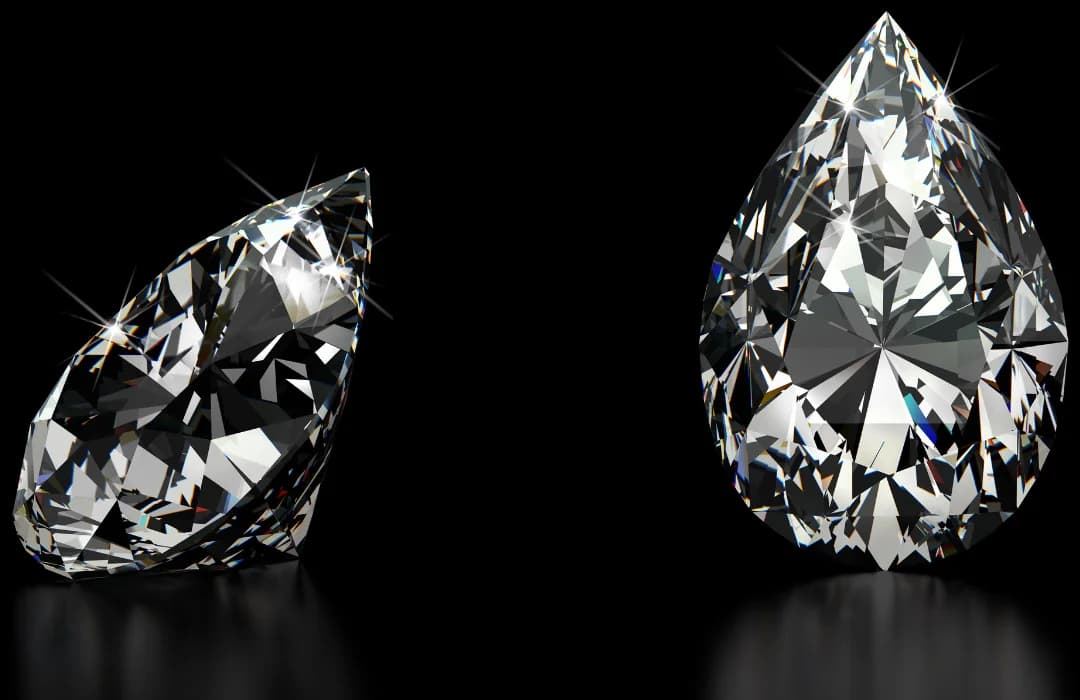
The pear cut, with its teardrop shape, offers a fantastic balance between length and width, making it appear larger for its carat weight. The pointed end helps to elongate the stone, while the rounded base adds width, resulting in an impressive size appearance. This cut is ideal for those seeking a distinctive diamond shape that offers both size and style. Explore our range of pear lab-grown diamonds for stunning choices.
Emerald Cut: Step-Cut Style That Maximises Surface Area
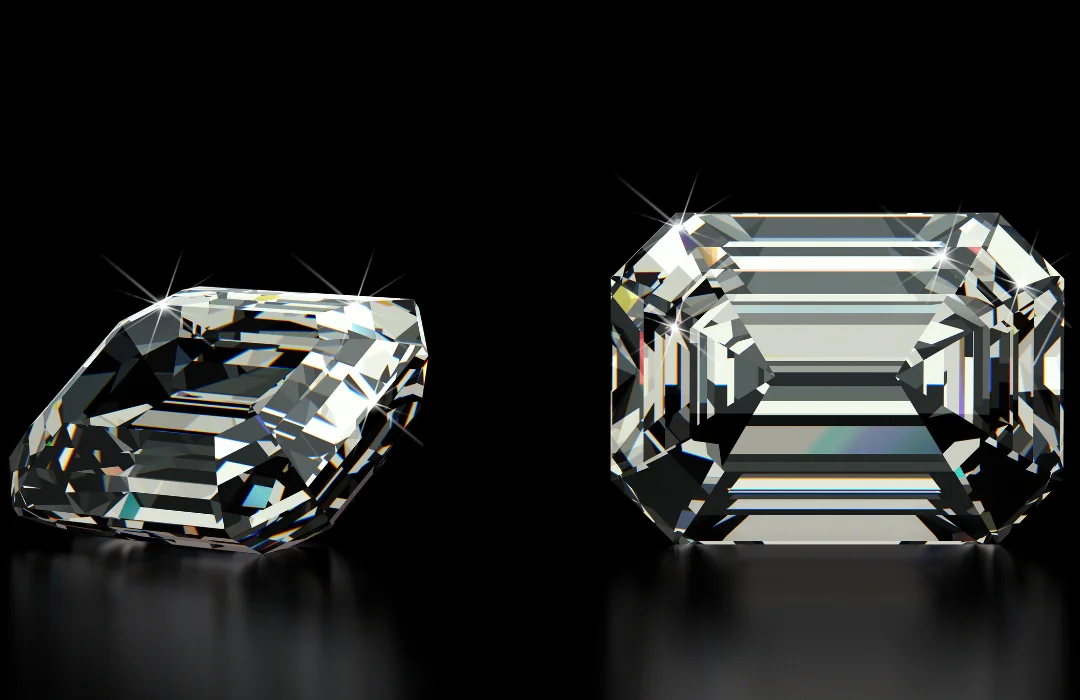
Emerald cuts have a rectangular shape with step-cut facets, which emphasise the diamond’s length and width. Although step-cut diamonds don’t have the same level of sparkle as brilliant cuts, the larger face-up area of the emerald cut makes it look bigger than some other shapes with the same carat weight. The open, linear facets give the emerald cut a sophisticated appearance while maximising the carat-to-size ratio. For a classic yet impressive look, browse our emerald lab-grown diamonds.
Radiant Cut: Brilliant Facets and Rectangular Shape
The radiant cut combines the best of both worlds: the sparkle of a brilliant cut with the larger appearance of an elongated shape. Its rectangular (or square) shape and faceting style enhance the carat-to-size ratio by spreading the weight over a larger surface area. The radiant cut is a great choice for those who want a diamond with exceptional sparkle and a bigger look. Check out our radiant lab-grown diamonds to find options that suit your style.
Comparing Diamond Shapes with Lower Carat-to-Size Ratios
While some diamond shapes excel at maximising visual size, others may appear smaller due to their proportions and cut style.
Round Brilliant Cut: Exceptional Sparkle But Deeper Cut
Round diamonds are known for their exceptional brilliance, but their cut depth can reduce the face-up size compared to elongated shapes. The deeper proportions mean that more weight is concentrated below the surface, resulting in a smaller visual appearance. However, the round brilliant’s exceptional sparkle can make up for the slightly lower carat-to-size ratio by drawing attention and creating a effect. Explore round lab-grown diamonds to experience the brilliance they offer.
Cushion Cut: Compact Shape That Hides Weight
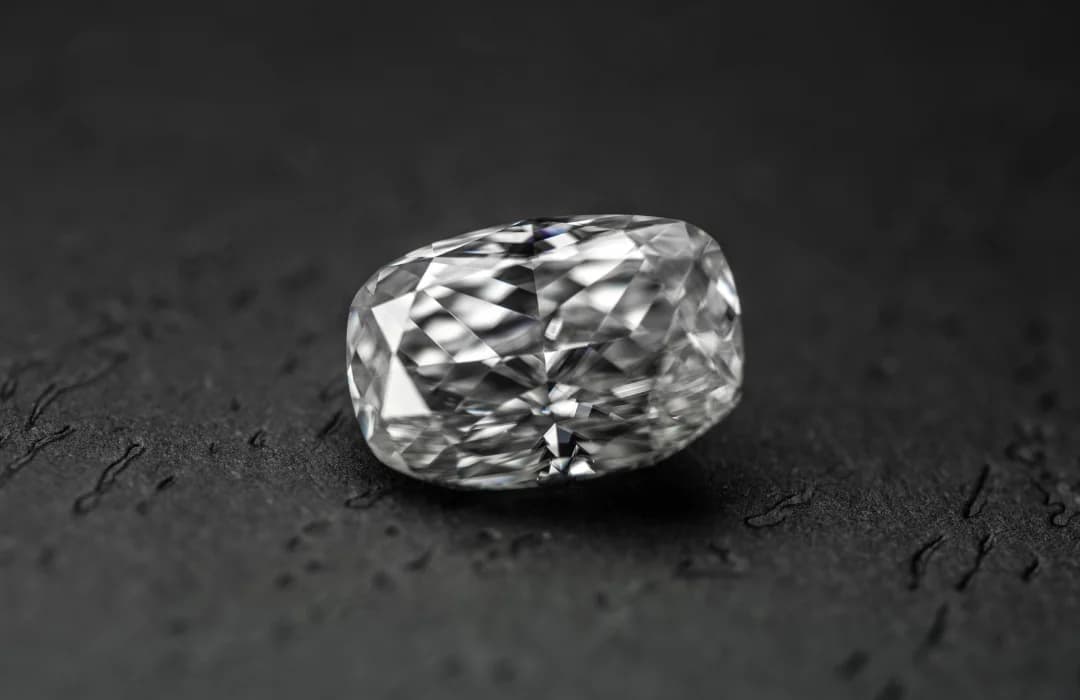
The cushion cut, with its rounded corners and deeper pavilion, often appears smaller than other shapes for the same carat weight. The compact design can hide some of the carat weight below the surface, making it a less optimal choice for those who prioritise visual size over sparkle. Cushion cuts are still a popular choice for their romantic appearance and can be enhanced with the right setting. Browse cushion lab-grown diamonds for beautiful options.
Asscher Cut: Square Shape with Deep Cut Proportions
The Asscher cut has a square shape and step-cut facets, similar to the emerald cut, but its deeper cut proportions can reduce its visual size. Much of the carat weight is concentrated in the diamond’s depth, resulting in a smaller face-up appearance. While it may not offer the best carat-to-size ratio, the Asscher cut is a favourite for those who appreciate its vintage appeal and unique shape. Discover Asscher lab-grown diamonds to find a style that suits you.
Tips for Maximising the Carat-to-Size Ratio
Choose a Shallow Cut That Retains Brilliance
Opting for a diamond with a slightly shallower cut can increase the face-up size without compromising sparkle. The right balance between depth and brilliance will ensure that the diamond appears larger while still retaining its beauty.
Consider Elongated Shapes for a Larger Appearance
Elongated shapes, such as marquise, oval, and pear, are excellent for creating the illusion of a bigger diamond. These shapes distribute the carat weight over a larger surface area, making the diamond look more substantial.
Enhance the Diamond with a Suitable Setting
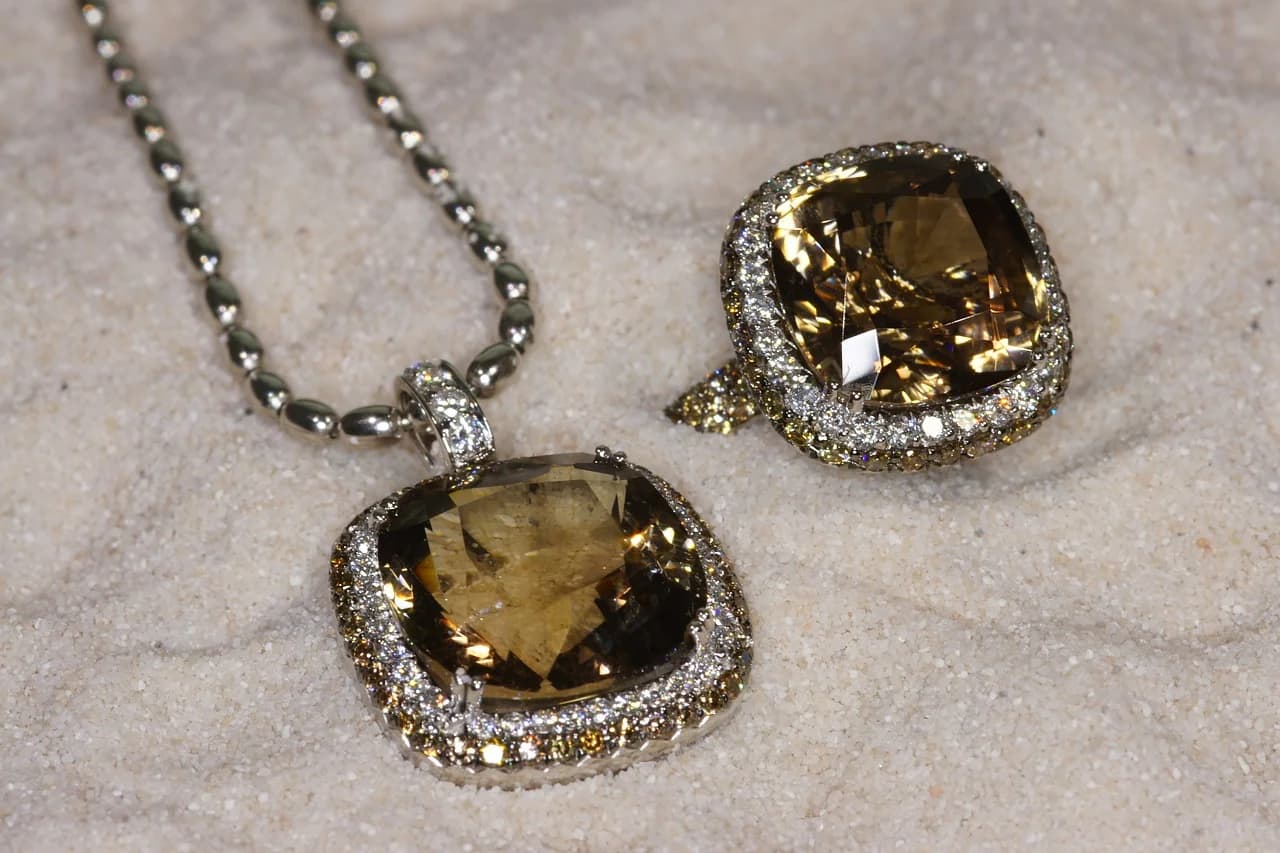
Settings can play a significant role in how large a diamond appears. Halo settings, for instance, surround the centre diamond with smaller diamonds, creating a frame that makes the main stone look larger. Bezel and pavé settings can also enhance the diamond’s appearance by drawing attention to the stone. Learn more about our range of fancy coloured diamonds to add a unique touch to your setting.
Choose a Thin Band to Emphasise the Centre Diamond
A thin or tapered band can make the centre diamond stand out more prominently. By creating a contrast, a narrow band can draw the eye towards the diamond, making it look larger in proportion to the rest of the ring.
FAQs
Which diamond shape has the best carat-to-size ratio?
Shapes like marquise, oval, and pear offer the best carat-to-size ratio because their elongated forms spread the weight across a larger surface area, making them appear bigger than other shapes of the same carat weight.
Does a higher carat weight always mean a bigger-looking diamond?
No, a higher carat weight doesn’t always mean a diamond will look bigger. The shape, cut depth, and setting can all influence how large a diamond appears, regardless of its carat weight.
Can cut quality affect the carat-to-size ratio?
Yes, the quality of the diamond's cut plays a key role in its appearance. A well-cut diamond maximises its brilliance and face-up size, while a poorly cut diamond may appear smaller due to excess weight in the depth.
Are certain settings better for improving a diamond's size appearance?
Yes, settings such as halo, bezel, and pavé can make a diamond look larger. A halo setting, for example, surrounds the centre diamond with smaller stones, creating an optical illusion that makes the diamond appear bigger.
Do elongated diamond shapes always look larger than round shapes?
Elongated shapes generally look larger than round shapes because they spread the weight over a larger surface area. However, round shapes can compensate for their smaller carat-to-size ratio with exceptional sparkle and brilliance.