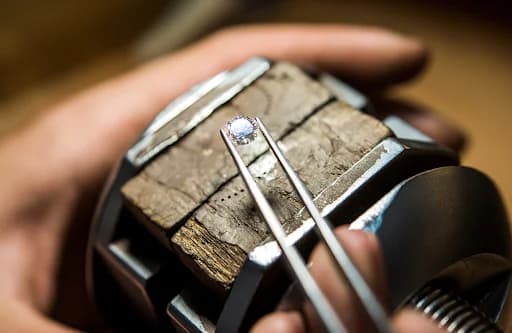
An engagement ring is a symbol of a promise, so it is little wonder couples want it to reflect their values as well as their taste. For many, that means choosing a stone whose origins they can stand behind completely. This guide explains why lab-grown diamonds have become the ethical engagement-ring choice, and how to pick the right one.
A lab-grown diamond gives you a real, certified diamond with a fully traceable origin and no mining concerns, usually for 60–80% less than a comparable mined stone. That means an ethical ring and, often, a larger or finer diamond for your budget. Prioritise cut quality and a GIA or IGI certificate when you choose.
An ethical foundation for a meaningful ring
Because a lab-grown diamond is created in a controlled facility, you know exactly where it came from. There is no question mark over its journey, which is why so many couples feel it is the right way to begin a marriage. Browse traceable stones and settings in our engagement rings collection.
The same beauty and durability as mined diamonds
A lab-grown diamond is chemically and optically identical to a mined one, with the same fire, sparkle and a full 10 on the Mohs hardness scale. That durability matters enormously for a ring worn every single day. Our diamond education guide explains how the 4Cs shape a diamond's appearance so you can compare with confidence.
More diamond for your budget
Ethics and value go hand in hand here. A fine one-carat lab-grown diamond typically costs around £700 to £1,500, where a comparable mined diamond might be £3,500 to £6,000 or more. Many couples use the difference to choose a larger centre stone, upgrade the wedding band, or simply keep more of their savings. See the numbers on our price comparison guide.
Choosing the right lab-grown diamond
Focus first on cut, which governs sparkle more than any other factor, then balance colour and clarity to taste. Shape is personal: a round brilliant maximises brilliance, while elongated ovals and emerald cuts can look larger for their weight. Our diamond shapes guide shows how each sits on the hand. Always insist on an independent certificate from a laboratory such as GIA or IGI.
- Cut: prioritise excellent or ideal cut for maximum sparkle.
- Colour: near-colourless grades (G–H) offer great value.
- Clarity: eye-clean stones look flawless without paying for perfection.
- Certificate: choose GIA or IGI certified diamonds.
- Shape and setting: pick what suits the wearer's style and hand.
Making it personal
An ethical ring can still be entirely unique. Many couples choose a bespoke setting, or add a matching eternity ring to mark the wedding or an anniversary. If you would like something made just for you, our team can guide the design from first sketch to finished ring.
Frequently asked questions
Is a lab-grown diamond a 'real' engagement diamond?
Yes. It is a genuine diamond, certified as such, and indistinguishable from a mined diamond to the eye. The only difference is that it was grown rather than mined.
Will a lab-grown ring last a lifetime?
Absolutely. With the same hardness as mined diamonds, a lab-grown stone is ideal for daily wear and will last for generations with normal care.
How much should I spend?
There is no fixed rule. Set a budget you are comfortable with, then let the value of lab-grown diamonds help you get the best possible stone within it.
Ready to propose with confidence? Explore our engagement rings and lab-grown diamonds at Rêve Diamonds.