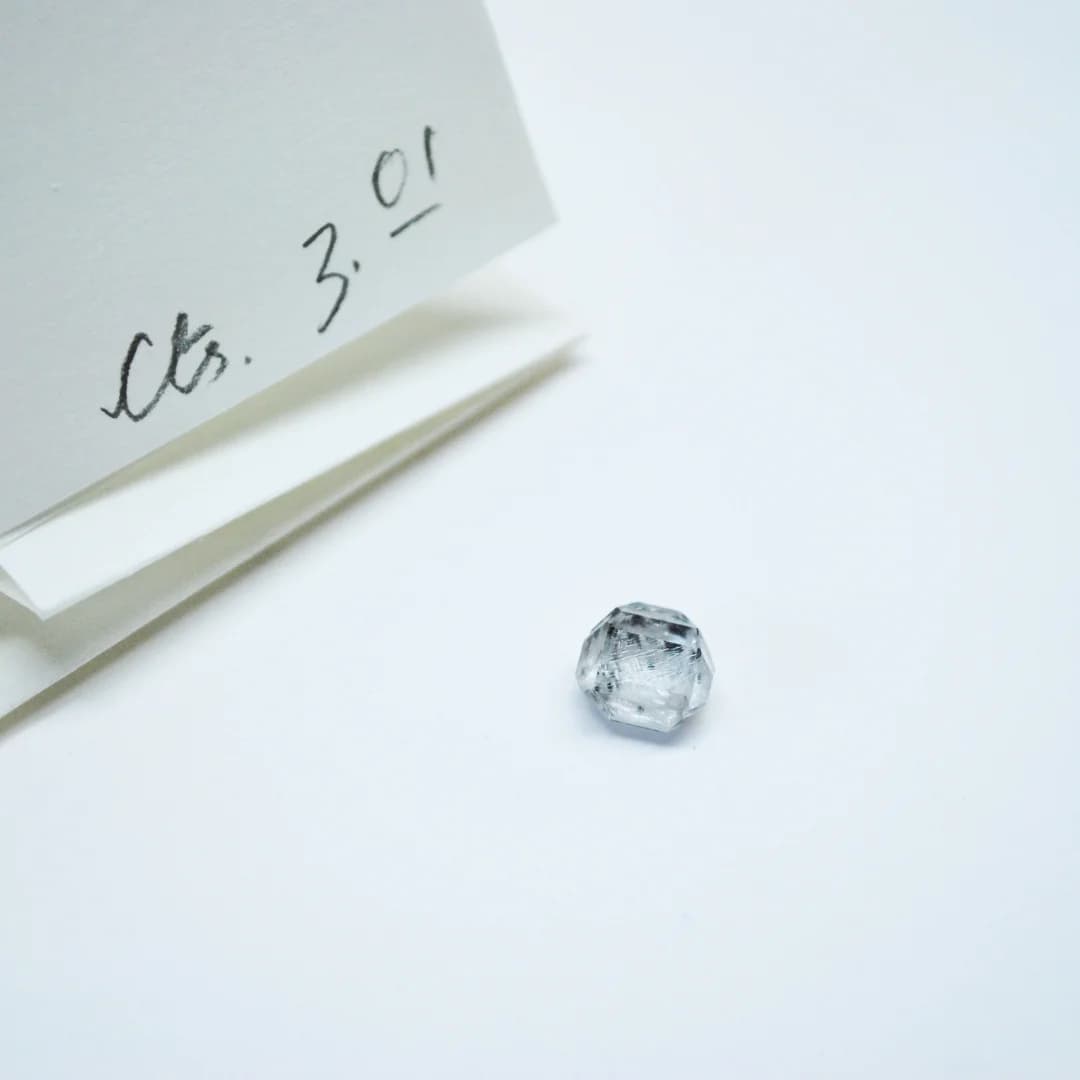
A lab-grown diamond may cost less than a mined one, but it still represents a meaningful purchase — and often deep sentimental value. That makes insuring it just as important. The good news is that lab-grown diamonds are insured in exactly the same way as natural diamonds. This guide explains how coverage works, what you'll need, and how to make sure your ring is properly protected against loss, theft, and damage.
Yes — lab-grown diamonds can be fully insured. You can add a valuable-items rider to a homeowners or renters policy, or take out a dedicated jewelry insurance policy, which usually offers broader protection. You'll need a recent appraisal and the diamond's grading certificate. Premiums typically run about 1–2% of the item's value per year, and specialist jewelry policies often cover loss, theft, damage, and mysterious disappearance.
Why insure a lab-grown diamond?
Even at a lower price point, replacing a lost or stolen ring out of pocket can be a significant expense — and an heirloom or engagement ring is irreplaceable in sentiment. Insurance covers the cost of repair or replacement so a single accident doesn't become a lasting loss. Rings are worn daily and are the most commonly lost or damaged pieces of jewelry, which is exactly why coverage is worth having.
Your coverage options
There are two main routes. The first is adding a rider (also called a floater or endorsement) to an existing homeowners or renters policy, which extends coverage to a specific high-value item beyond the policy's standard limits. The second is a standalone jewelry insurance policy from a specialist insurer, which generally provides wider protection — including accidental damage and "mysterious disappearance" — and may not raise your home premiums if you claim. Compare both to see which fits your needs and budget.
What you'll need to insure your ring
Insurers typically ask for two documents: a recent appraisal or valuation stating the replacement value, and the diamond's grading certificate from GIA or IGI, which independently confirms the stone's specifications. Keep your purchase receipt as well. Because lab-grown prices can shift over time, it's wise to update your appraisal every couple of years so your coverage reflects current replacement cost. Our guide to lab-grown certification explains what that report includes.
How much does it cost?
As a rule of thumb, annual premiums run about 1–2% of the insured value. For a lab-grown engagement ring valued at $4,000, that's roughly $40–$80 a year. Because lab-grown diamonds cost less to replace than comparable natural stones, insuring them is often more affordable too. Review the policy's deductible, whether it pays replacement or cash value, and whether you can choose your own jeweler for any replacement.
Keeping your coverage accurate
Document your ring with clear photos and keep copies of the certificate and appraisal in a safe place. If you resize the ring, replace a stone, or have it restored, update your insurer and valuation. For higher-value pieces, an up-to-date valuation from an independent valuer ensures any claim reflects the true current cost. You can protect any piece this way, from an engagement ring to pendants and necklaces or lab-grown diamonds from our collection.
For insurance, please visit www.JewelersMutual.com/GetCovered, enter our four-digit code #4337, then enter your postal code, item and value.
Frequently asked questions
Is insuring a lab-grown diamond different from a natural one?
No. The process is identical — you provide an appraisal and certificate, and coverage protects against loss, theft, and damage based on the item's value.
Does my homeowners policy already cover my ring?
Usually only up to a low sub-limit for jewelry. A rider or a standalone jewelry policy is needed to fully cover a valuable ring.
How often should I update my appraisal?
Every two to three years, or after any change to the ring, so your coverage keeps pace with current replacement costs.