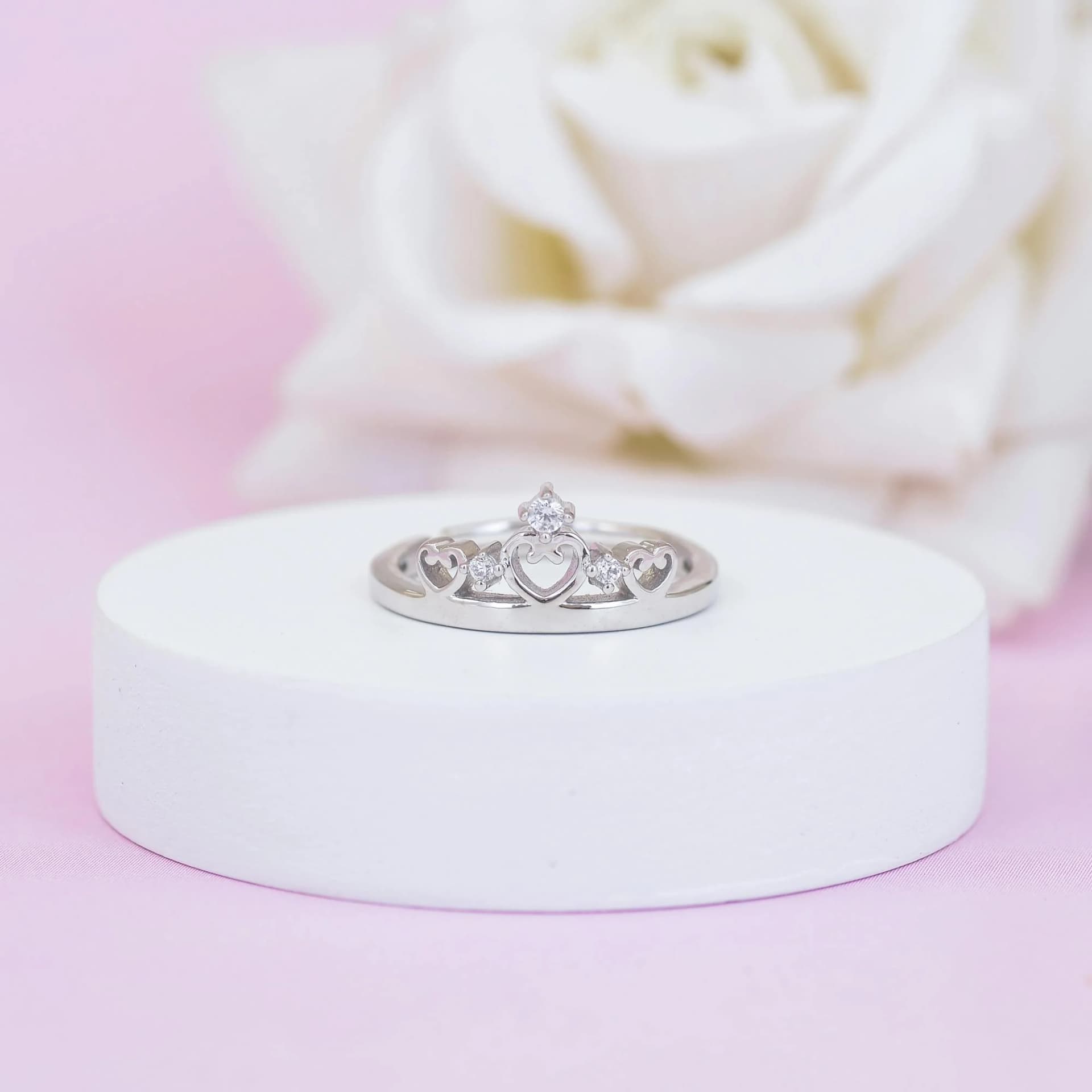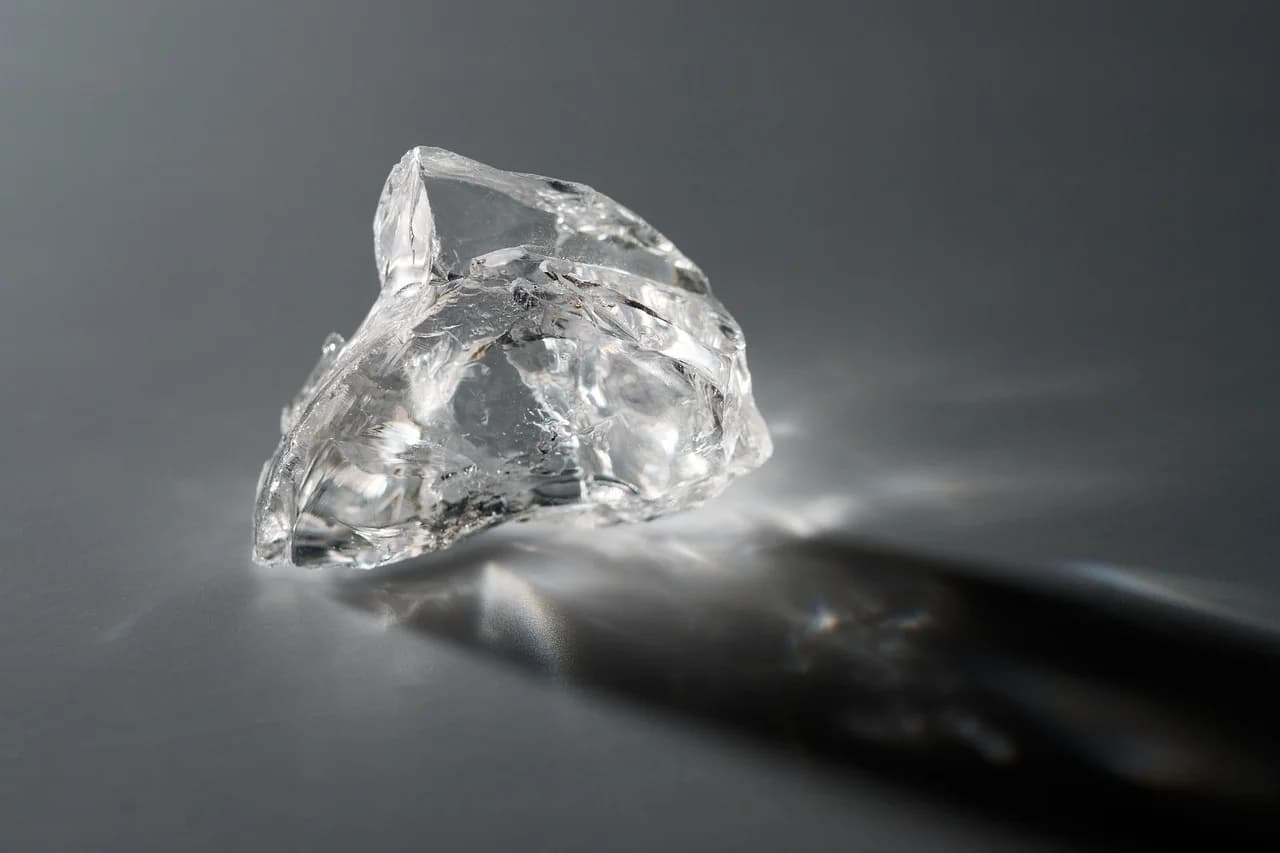
From engagement rings to everyday studs, lab-grown diamonds have opened up a whole world of fine jewelry at a fraction of the traditional price.
Lab-grown diamond jewelry uses real diamonds created in a lab — identical to mined stones — set into rings, earrings, pendants, and bracelets. Because the diamonds cost 60–85% less than mined equivalents, you can buy bigger, brighter pieces or build a fuller collection for the same budget. This guide covers what lab-grown diamonds are, the jewelry they suit best, and how to buy well. See the Rêve Diamonds lab-grown collection.
What Is Lab-Grown Diamond Jewelry?
Lab-grown diamonds are grown in controlled facilities using HPHT or CVD technology, producing crystals with the same carbon structure, hardness, and brilliance as natural diamonds. Set into precious metal, they become jewelry that is visually and chemically indistinguishable from mined-diamond pieces. New to the topic? Begin with our beginner's guide to lab-grown diamonds.
Types of Lab-Grown Diamond Jewelry
- Rings: from solitaire engagement rings to anniversary bands, this is the most popular category. Explore engagement rings and eternity rings.
- Earrings: studs, hoops, and drops make an ideal first lab-grown purchase — see our diamond earrings.
- Pendants and necklaces: a single stone or a station design adds sparkle to any outfit; browse pendants and necklaces.
- Bracelets: tennis bracelets and bangles showcase multiple matched diamonds for maximum shine.
How to Choose Quality: The 4Cs
Every lab-grown diamond is graded on the same four factors as a mined stone: cut, color, clarity, and carat. Cut has the greatest impact on how much a diamond sparkles, so prioritize it. Our diamond education hub explains each C in plain language.
Choosing a Shape
Round brilliants deliver the most fire, while fancy shapes such as oval, emerald, pear, and cushion offer individuality and can look larger for the carat weight. Consider your lifestyle and personal style, and remember that elongated shapes tend to flatter the finger.
Certification and Care
Buy stones certified by IGI or GIA so quality is independently verified. To keep pieces sparkling, clean them gently with warm water and a soft brush, store them separately to avoid scratches, and have settings checked periodically — diamonds are hard, but settings can loosen with wear.
Frequently Asked Questions
Is lab-grown diamond jewelry real? Yes. The diamonds are genuine diamonds; only their origin — a lab rather than the earth — differs.
What is the best lab-grown piece to buy first? Diamond studs are a versatile, timeless starting point that suit almost everyone.
Will lab-grown jewelry last? Diamonds rate 10 on the Mohs scale, so with normal care your pieces will last a lifetime.