Jewelry has always been a symbol of beauty, luxury, and personal expression. But as the world becomes more aware of the ethical and environmental impacts of diamond mining, many are seeking alternatives that align with modern values. Lab-grown diamonds have emerged as the perfect solution, offering the same stunning brilliance as natural diamonds but with a significantly reduced ethical and environmental footprint. In this article, we’ll explore why lab-grown diamonds are transforming the jewelry industry and why they might be the perfect choice for your next piece.
Lab-grown diamonds offer a modern, ethical alternative to mined stones — identical Mohs 10 chemistry, IGI or GIA grading, and 60-80% less cost, with roughly 80% less land disturbance per carat. A 1.50ct G/VS1 lab-grown round in 14k white gold runs $2,000-$3,500, versus $9,000+ for an equivalent mined stone. Most New York builds ship in 4-6 weeks.
What Are Lab-Grown Diamonds?
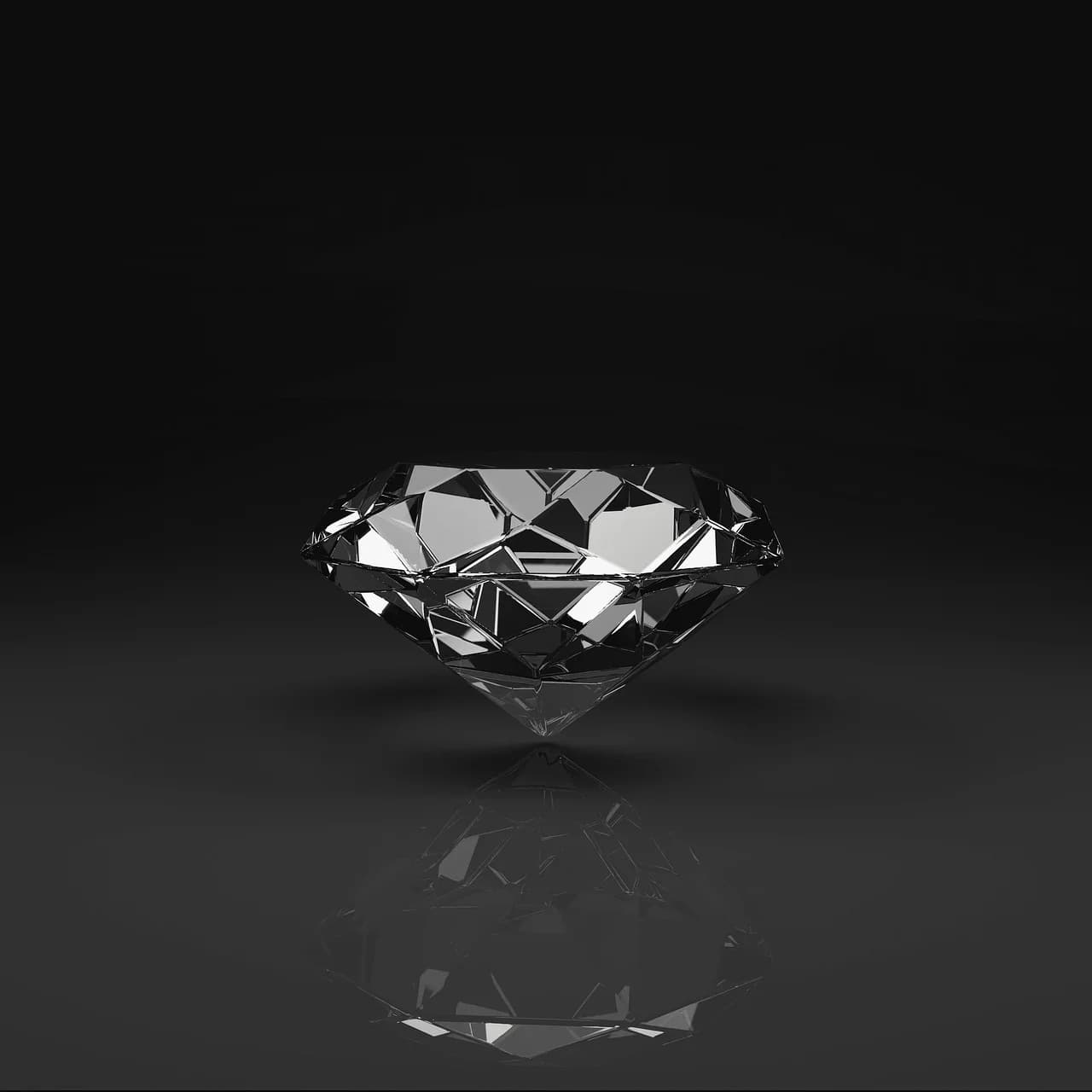
Lab-grown diamonds are real diamonds, created in laboratories using cutting-edge technology that replicates the natural conditions under which diamonds form. They are chemically, physically, and optically identical to natural diamonds, meaning that even experienced gemologists cannot distinguish them from mined diamonds without specialized equipment.
There are two primary methods used to create lab-grown diamonds: Chemical Vapour Deposition (CVD) and High Pressure High Temperature (HPHT). Both processes involve growing diamonds under controlled conditions, producing stones that are just as brilliant and durable as those formed over billions of years beneath the Earth’s surface. You can explore more about lab-grown diamonds and their creation.
The Ethical Advantages of Lab-Grown Diamonds
Conflict-Free and Ethically Sourced
One of the major benefits of lab-grown diamonds is that they are completely free from the issues associated with conflict diamonds (also known as blood diamonds). These are diamonds mined in war zones and sold to finance armed conflict against governments, leading to widespread human suffering. With lab-grown diamonds, there is complete transparency about how and where the diamonds are produced, offering peace of mind to ethical consumers. Learn more about diamond sourcing for ethical options.
Labour and Working Conditions
Mining diamonds can involve dangerous working conditions, child labour, and exploitation in certain parts of the world. Lab-grown diamonds remove these risks by being produced in controlled, safe environments, ensuring that no unethical labour practices are involved in their creation. Choosing lab-grown diamonds means supporting responsible production that aligns with modern values.
Environmental Benefits of Lab-Grown Diamonds
Smaller Environmental Footprint
Diamond mining is notorious for its environmental impact. It requires vast amounts of land, disrupts ecosystems, and consumes significant quantities of water. In contrast, lab-grown diamonds have a much smaller environmental footprint. Since they are created in a lab, they avoid the destruction of natural habitats and the environmental degradation caused by mining. You can explore fancy-colored lab-grown diamonds to find unique, eco-friendly options.
Energy Use and Sustainability
While growing diamonds in a lab still requires energy, it is far less than what is used in traditional mining operations. Also, many labs are now using renewable energy sources to power their diamond-growing facilities, making lab-grown diamonds a more sustainable option. For consumers who are concerned about the environmental impact of their purchases, lab-grown diamonds represent a more responsible choice for luxury jewelry.
Affordability Without Compromise on Quality
Cost-Effective Option
Lab-grown diamonds are typically 30-40% cheaper than natural diamonds of the same size and quality. This makes them a fantastic option for those who want the luxury of diamonds but at a more accessible price. Whether you’re looking for a larger diamond or a higher-quality stone, lab-grown diamonds offer exceptional value for money without compromising on brilliance or beauty. If you’re interested in custom jewelry, check out options like round cut or princess cut diamonds.
Same Beauty and Brilliance as Natural Diamonds
In terms of appearance, lab-grown diamonds are indistinguishable from their natural counterparts. They possess the same fire, brilliance, and durability, making them ideal for all types of jewelry, from engagement rings to earrings and beyond. If you’re after luxury but don’t want to break the bank, lab-grown diamonds are the perfect option.
Lab-Grown Diamonds and Custom Jewelry Design
Endless Customisation Options
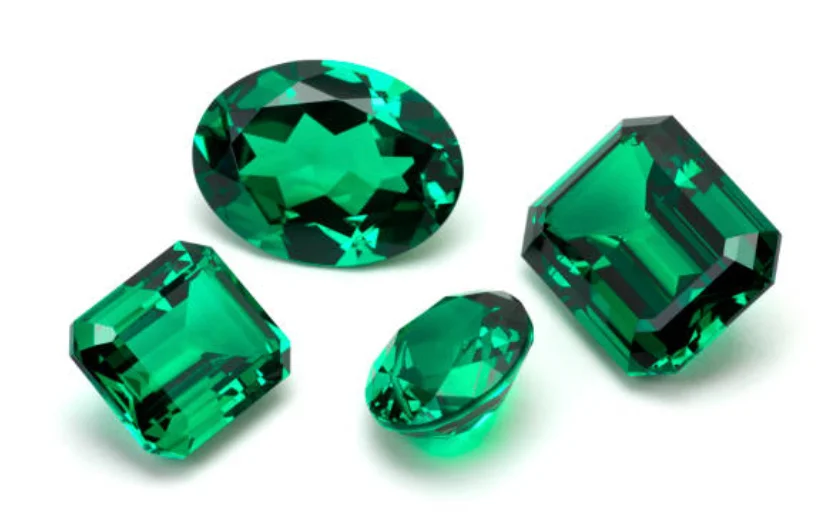
With lab-grown diamonds, you can choose from a wide range of cuts, sizes, and colors. This makes them perfect for bespoke designs, whether you’re creating a one-of-a-kind engagement ring or a unique pair of earrings. The availability of fancy-colored lab-grown diamonds adds another layer of personalisation, allowing you to create truly distinctive pieces that reflect your style and personality. Explore more customisable cuts like emerald or oval cut diamonds.
Designing Ethical and Personalised Pieces
For those who want to create meaningful, personalized jewelry, lab-grown diamonds offer the freedom to design without the ethical concerns associated with mined diamonds. Whether it’s a custom engagement ring or a personalized gift, you can have peace of mind knowing that your jewelry is both beautiful and responsibly sourced.
Lab-Grown Diamonds: A Future-Forward Trend in the Jewelry Industry
Appealing to the Modern Consumer
Today’s consumers are more conscious than ever about the ethical and environmental impact of their purchases. Lab-grown diamonds resonate with those looking for sustainable luxury, particularly among younger generations who prioritise responsibility and transparency. As a result, lab-grown diamonds are becoming increasingly popular for engagement rings, wedding bands, and other fine jewelry. If you’re considering a unique stone, explore pear cut lab-grown diamonds for an elegant and modern look.
Shaping the Future of Fine Jewelry
Lab-grown diamonds are influencing jewelry trends, from minimalist designs to statement pieces. Their affordability and ethical appeal make them accessible to a broader range of people, driving new trends in the jewelry industry. Whether you’re drawn to contemporary styles or timeless classics, lab-grown diamonds are set to play a significant role in the future of fine jewelry.
Lab-Grown Diamonds vs Natural Diamonds: Key Differences
When comparing lab-grown diamonds to natural diamonds, several key differences stand out.
- Price: Lab-grown diamonds are generally more affordable than natural diamonds, offering better value for money without sacrificing quality.
- Environmental and Ethical Impact: Lab-grown diamonds have a much smaller environmental footprint and are ethically produced, making them a more responsible choice for conscientious consumers.
- Resale Value: While lab-grown diamonds offer many benefits, they do tend to have a lower resale value compared to natural diamonds. However, for many buyers, the ethical and environmental advantages outweigh concerns about resale.
Lab-Grown Diamonds – The Modern Ethical Choice
Lab-grown diamonds offer a modern and ethical solution for those looking to invest in beautiful jewelry. With their stunning appearance, affordability, and responsible sourcing, they provide a guilt-free alternative to traditional diamonds. Whether you’re designing custom pieces or looking for a more affordable way to wear luxury, lab-grown diamonds are the perfect choice for today’s ethically minded consumers. Explore more designs and options with lab-grown diamonds to find the perfect piece for you.
FAQs
Are lab-grown diamonds real diamonds?
Yes, lab-grown diamonds are real diamonds. They have the same chemical, physical, and optical properties as natural diamonds.
Are lab-grown diamonds cheaper than natural diamonds?
Yes, lab-grown diamonds are generally 30-40% cheaper than natural diamonds of the same size and quality, making them a more affordable option.
Are lab-grown diamonds more sustainable than natural diamonds?
Yes, lab-grown diamonds have a much smaller environmental impact. They require less land, water, and energy, and many labs use renewable energy sources.
Can you customize jewelry with lab-grown diamonds?
Absolutely. Lab-grown diamonds offer a wide range of customization options, from different cuts and sizes to fancy-colored diamonds, making them perfect for bespoke designs. Check out radiant cut and asscher cut diamonds for unique custom options.
Do lab-grown diamonds hold their value over time?
While lab-grown diamonds generally have lower resale value compared to natural diamonds, they offer significant ethical and environmental advantages, which can be more important to many consumers.