How to Shop for a Lab Grown Diamond
Buy the certificate first, then the stone. Insist on a GIA or IGI report, prioritize cut (it controls sparkle), target G–H color and VS clarity for the best value, and confirm the price matches the 4Cs. Done right, a 1 carat certified lab grown diamond at Rêve Diamonds costs roughly $1,000–$1,800 — a fraction of a mined equal.
Lab grown diamonds offer superb value, but value only holds if you know what you are comparing. Two stones of the same carat weight can differ wildly in beauty and price depending on the other three Cs. Here is exactly what to check before you buy.
1. Start With the Certificate
Never buy an uncertified stone. A GIA or IGI report confirms the diamond is laboratory-grown and grades it independently. It is your proof of quality and your protection at resale or insurance time. Our diamond education hub explains how to read one.
2. Prioritize Cut Above All
Cut — not carat — determines how much a diamond sparkles. A well-cut 0.9 carat stone outshines a poorly cut 1.1 carat one. Aim for Excellent or Ideal cut grades. Our guide to the 4Cs breaks down why cut matters most.
3. Choose Color and Clarity for Value
For a white look without overpaying, G–H color faces up bright, especially in yellow or rose gold. For clarity, VS1–VS2 stones are “eye-clean” — free of inclusions visible without magnification — at a lower price than flawless grades. Spending up to VVS rarely changes what you actually see.
4. Confirm the Price Fits the Grades
Compare like with like. A fair lab grown price tracks the 4Cs closely; a price far below the norm can signal a simulant or a weak cut. Sense-check figures against our natural vs lab grown price comparison.
5. Match the Stone to the Setting
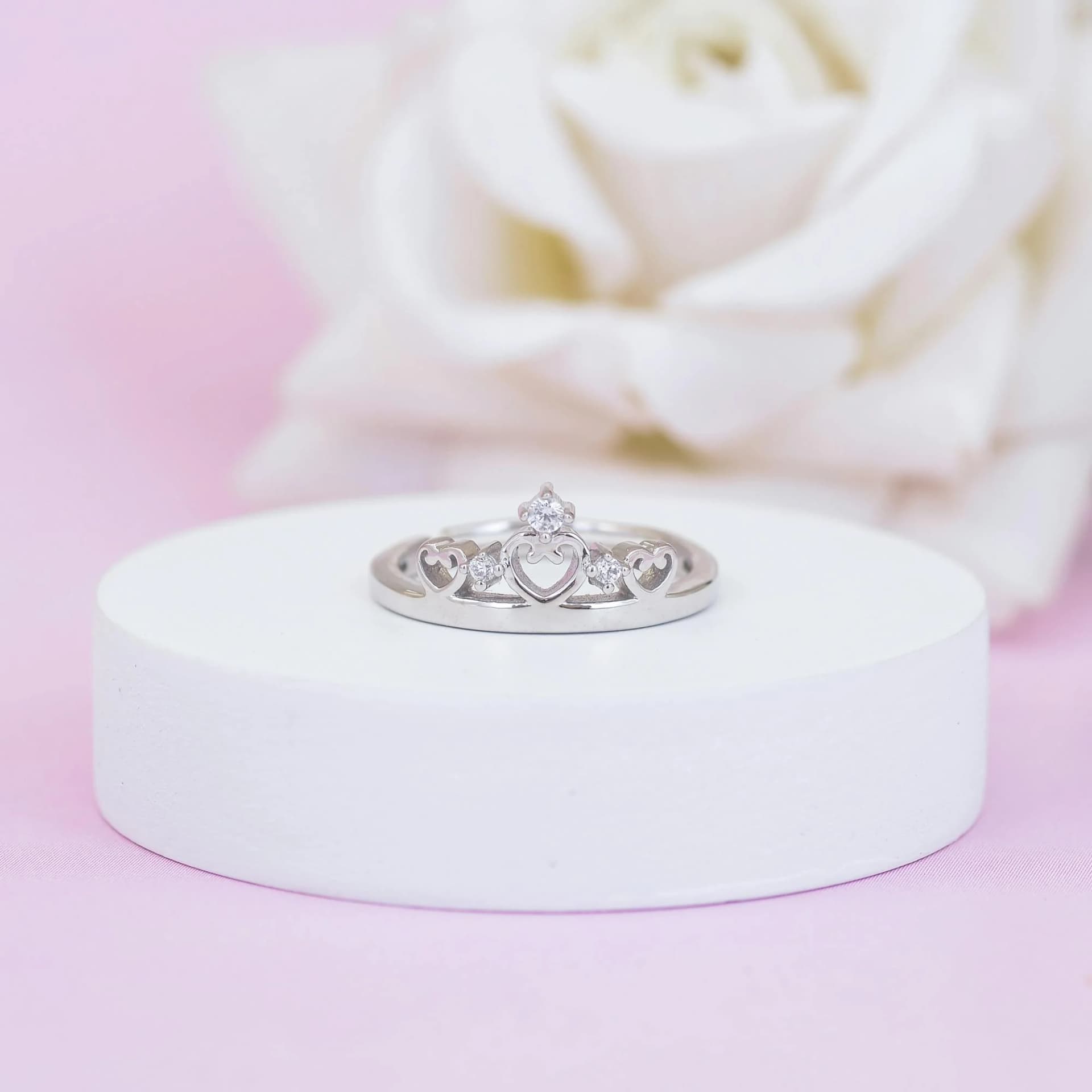
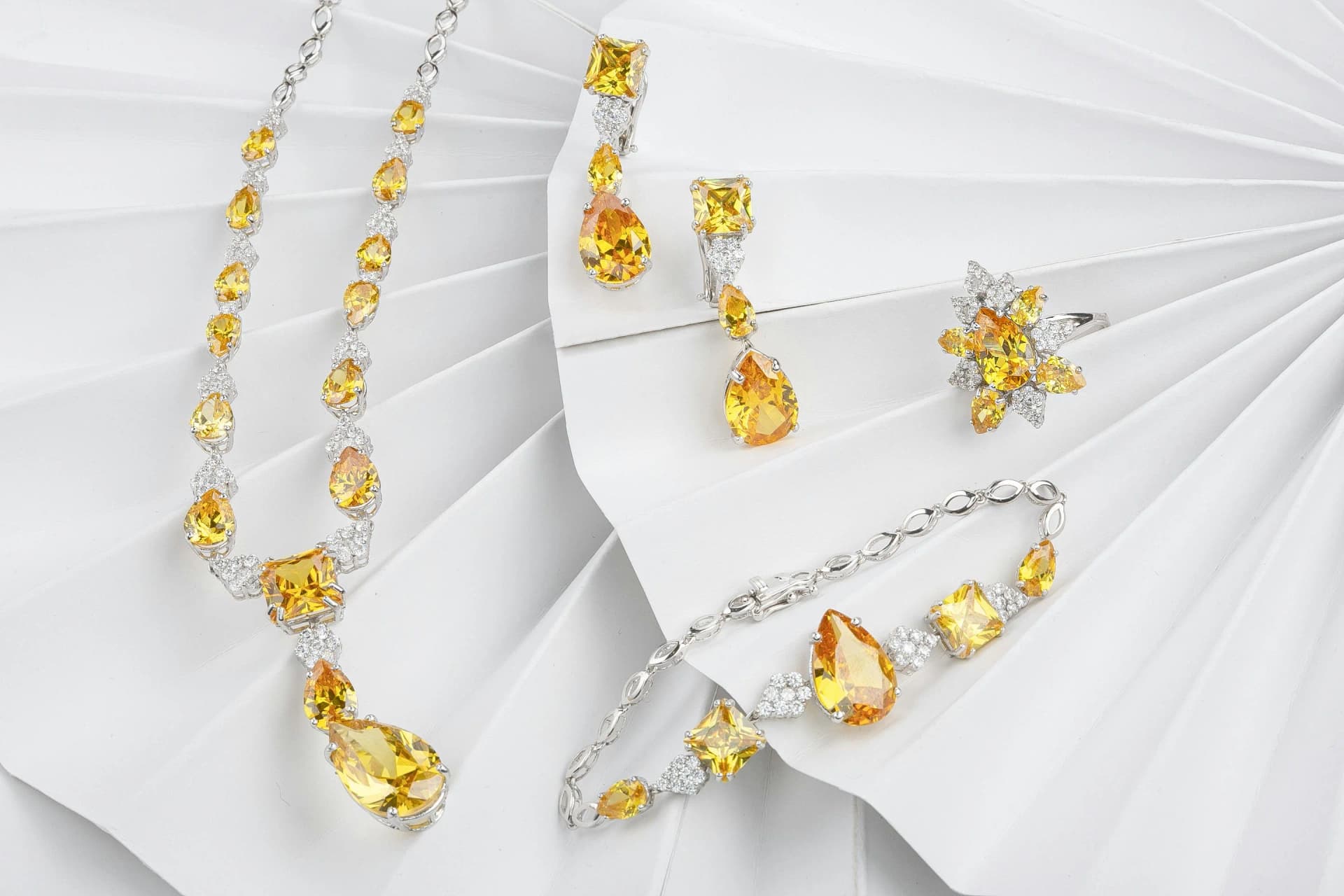
Think about where the diamond will live. Solitaire engagement rings showcase cut and color; halo and pavé designs let a smaller center look larger; stud earrings reward a lively cut over sheer size. Choose grades that flatter the design.
Frequently Asked Questions
What is the most important of the 4Cs?
Cut. It has the biggest effect on brilliance and is the one factor you should never compromise on.
Which certificate should a lab grown diamond have?
A report from GIA or IGI. Both grade lab grown diamonds to recognized standards; a stone without one should be avoided.
Ready to browse? Every stone at Rêve Diamonds is certified — explore the lab grown engagement ring collection.