Lab-grown diamonds have transitioned from scientific curiosities to significant players in the jewelry industry.
Lab-grown diamond production has scaled rapidly — global rough output jumped from under 1 million carats in 2018 to roughly 25 million in 2025, US bridal share from under 2% to ~50%, and wholesale prices have dropped over 70%. Next: renewable-powered facilities, AAA fancy-color access at scale, and routine 5.00ct+ availability. Current 1.50ct G/VS1 rounds in 14k white gold run $2,000-$3,500.
Their journey reflects advancements in technology, shifts in consumer preferences, and evolving market dynamics.
Let’s explore this evolution and consider what the future holds for these engineered gems.
Understanding Lab-Grown Diamonds
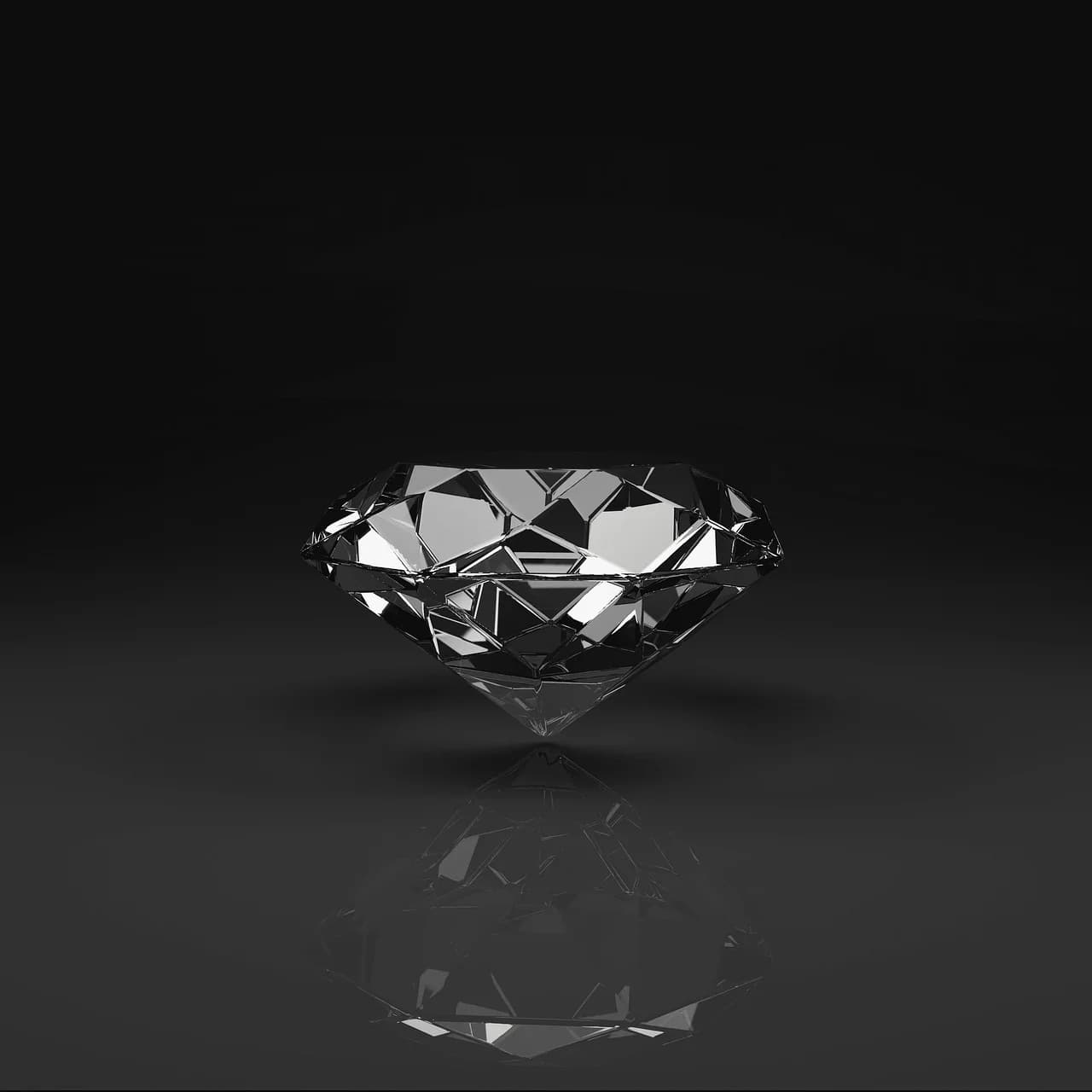
Lab-grown diamonds are real diamonds created in controlled laboratory environments.
They share the same chemical composition and physical properties as natural diamonds, making them virtually indistinguishable to the naked eye.
The two primary methods for producing these diamonds are High-Pressure High-Temperature (HPHT) and Chemical Vapor Deposition (CVD).
If you're curious about options for purchasing these gems, you can explore lab-grown diamonds here.
The Rise in Popularity
Several factors have contributed to the growing appeal of lab-grown diamonds.
Affordability: Typically, lab-grown diamonds are 30% to 40% less expensive than their natural counterparts, allowing consumers to purchase larger or higher-quality stones within the same budget.
Ethical Considerations: These diamonds offer a solution to concerns about conflict diamonds and unethical mining practices, providing a more ethically sourced option.
Environmental Impact: Producing lab-grown diamonds generally results in a smaller ecological footprint compared to traditional mining, appealing to environmentally conscious consumers.
If you're considering a unique shape or style, check out round lab-grown diamonds or explore princess-cut diamonds.
Technological Advancements
The evolution of lab-grown diamonds is closely tied to technological progress.
Improved Production Methods: Advances in HPHT and CVD techniques have enhanced the quality and size of lab-grown diamonds, making them more accessible and appealing.
Innovative Applications: Beyond jewelry, lab-grown diamonds are finding uses in industries like electronics and quantum computing, thanks to their unique properties.
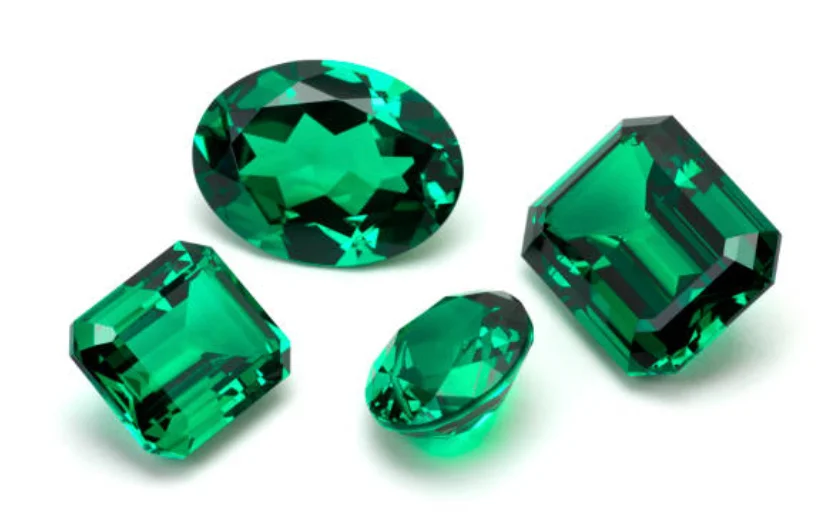
For a touch of creativity, you might enjoy fancy-colored lab-grown diamonds to make your jewelry stand out.
Market Dynamics
The jewelry market has seen significant shifts due to the emergence of lab-grown diamonds.
Increased Market Share: Lab-grown diamonds now account for a growing percentage of diamond jewelry sales, reflecting their acceptance among consumers.
Price Adjustments: The influx of lab-grown diamonds has led to price reductions, making them more competitive with natural diamonds.
Thinking about unique shapes? Explore pear-shaped diamonds or cushion-cut diamonds for something elegant and timeless.
Challenges and Considerations
Despite their advantages, lab-grown diamonds face certain challenges.
Market Saturation: The increasing supply of lab-grown diamonds has led to price declines, posing challenges for producers and retailers.
Consumer Perception: Educating consumers about the differences and similarities between lab-grown and natural diamonds remains crucial for informed purchasing decisions.
The Future Outlook
Looking ahead, lab-grown diamonds are poised to further influence the industry.
Technological Innovations: Ongoing research aims to produce larger and higher-quality diamonds more efficiently, potentially expanding their applications.
Sustainability Initiatives: Companies are exploring methods to reduce the environmental impact of diamond production, such as using renewable energy sources.
Market Expansion: As consumer awareness grows, lab-grown diamonds are expected to capture a larger share of the jewelry market, appealing to those seeking ethical and affordable options.
If you're planning a special purchase, browse oval-cut diamonds or radiant-cut diamonds for a sophisticated look.
Frequently Asked Questions
Are lab-grown diamonds real diamonds?
Yes, lab-grown diamonds are real diamonds with the same chemical and physical properties as natural diamonds.
How are lab-grown diamonds made?
They are created using High-Pressure High-Temperature (HPHT) or Chemical Vapor Deposition (CVD) methods, which replicate the natural conditions under which diamonds form.
Are lab-grown diamonds more affordable?
Generally, they are 30% to 40% less expensive than natural diamonds of comparable quality.
Do lab-grown diamonds have resale value?
Lab-grown diamonds typically have a lower resale value compared to natural diamonds, primarily due to their abundant supply and lower production costs.
Can you distinguish between lab-grown and natural diamonds?
Specialized equipment is required to differentiate between the two, as they are virtually identical to the naked eye.
Lab-grown diamonds have significantly transformed the jewelry industry by offering ethical, affordable, and high-quality alternatives to natural diamonds.
As technology advances and consumer preferences evolve, their presence and influence are expected to grow, heralding a new era in the world of fine jewelry.
If you're ready to explore lab-grown diamonds further, start your search here.