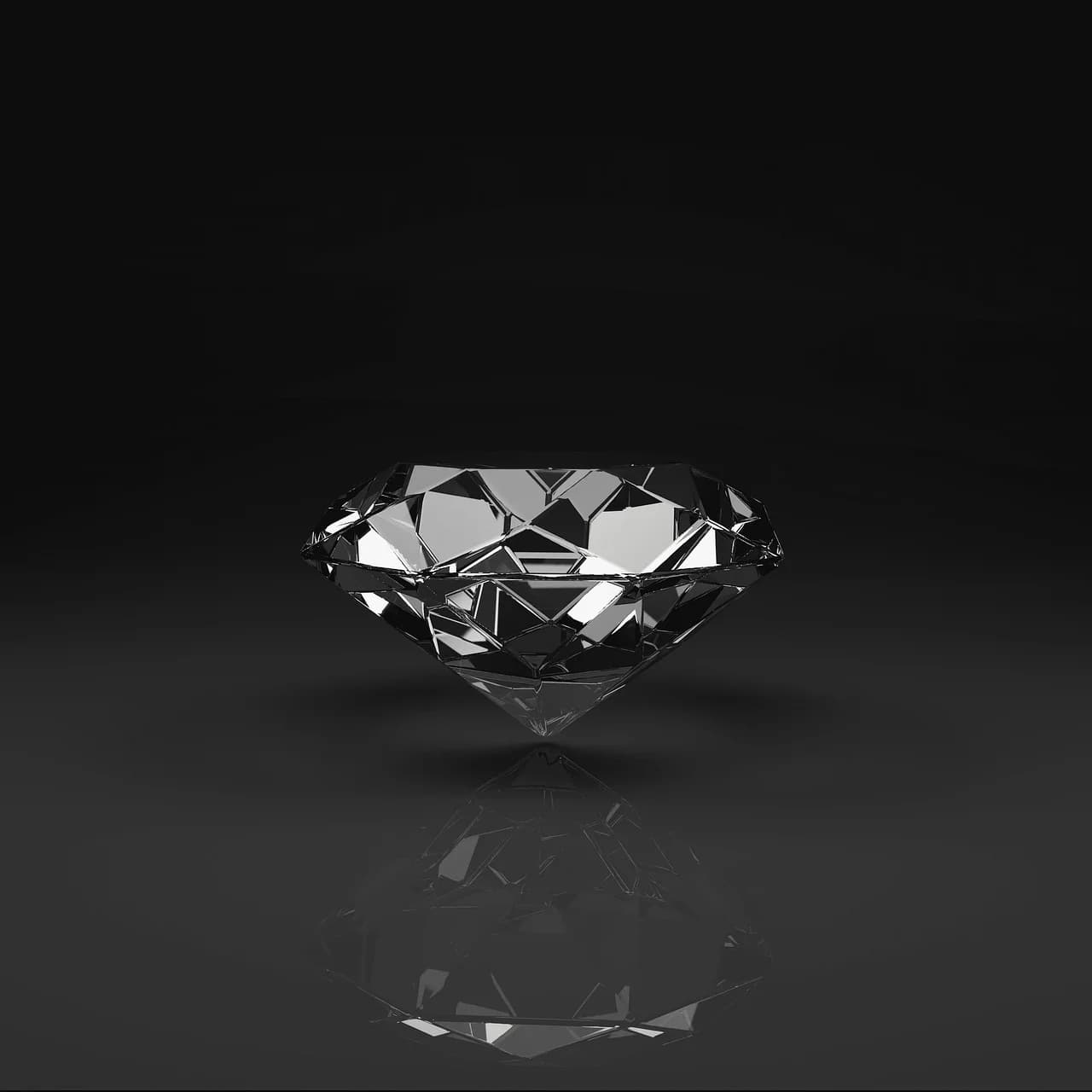
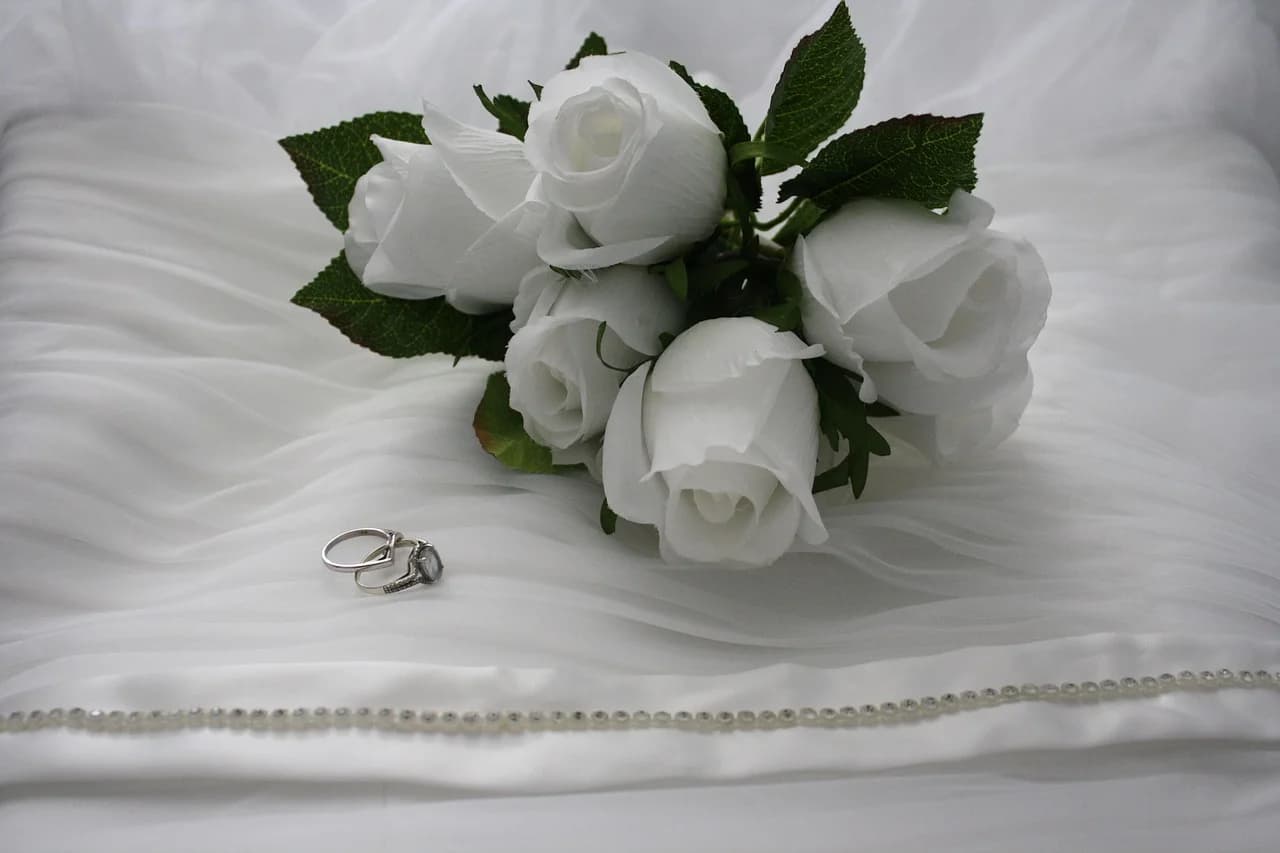
For a century, the engagement ring market ran on a single script: a mined diamond, priced at a premium, sold as a rite of passage. Lab-grown diamonds have rewritten that script in just a few years. Offering the same beauty at a fraction of the price, they have handed couples something they never had before — real choice about size, quality, ethics and budget.
Lab-grown diamonds are transforming engagement rings by making genuine diamonds affordable: identical to mined stones, graded by GIA and IGI, and 40–70% cheaper, so couples routinely get a larger or finer center stone for the same money. Add a transparent, conflict-free origin and greater freedom to design a bespoke ring, and it is easy to see why they have shifted from niche to mainstream.
A Market Shifting in Real Time
Lab-grown diamonds have moved from curiosity to serious contender at remarkable speed. What began as a value option is now a first choice for a large share of couples, who see no reason to pay a mining premium for a stone that is, by every measurable property, a diamond. The momentum is self-reinforcing: as more people choose lab-grown and share the results, the stigma disappears and demand grows.
Why Couples Are Making the Switch
More diamond for the money
The single biggest driver is value. Because a lab-grown diamond typically costs 40–70% less than a comparable mined stone, a couple with a $2,500 budget can often step up from a modest half-carat to a bright, well-cut 1-carat — or reach for a halo they could not otherwise justify. Explore the range in our engagement ring collection and the dedicated lab-grown diamonds hub.
A cleaner conscience
Modern couples care where things come from. A lab-grown diamond has a transparent origin and sidesteps the conflict and environmental concerns associated with mining, so the ring's story matches the values behind the proposal.
Identical quality, verified
There is no quality sacrifice. Lab-grown diamonds are cut, graded and certified to the same standards as mined stones by GIA and IGI. Understanding the 4Cs is the same exercise either way — our diamond education hub breaks it down.
Design Freedom and Bespoke Rings
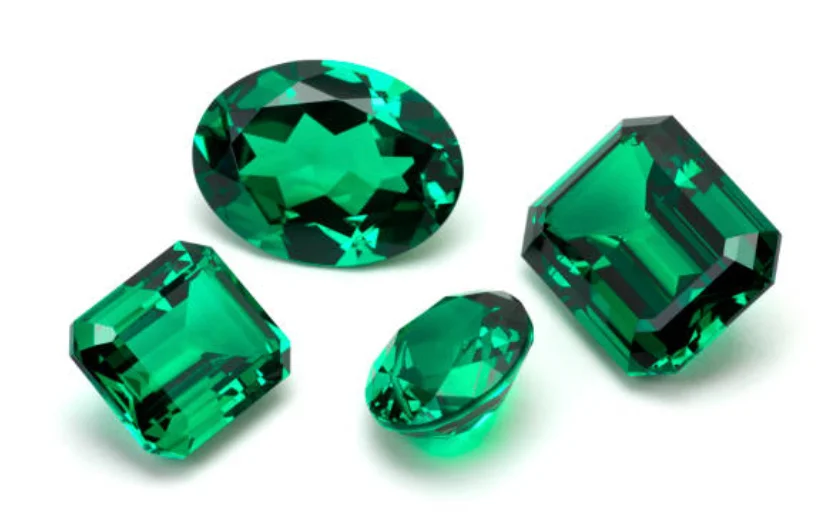
Affordability does not just change the stone — it changes what you can build around it. With more of the budget freed up, couples can invest in a finer setting, a custom design, or matching wedding bands. Larger and fancy-shaped lab-grown stones are also more accessible, opening the door to statement ovals, emeralds and radiants that once sat out of reach.
The Value Question, Answered Honestly
A fair point often raised is resale. Like all jewelry — mined diamonds included — an engagement ring is bought to be worn, not traded, and retail-to-resale drops apply across the category. The practical upside of lab-grown is simple: you pay far less at the outset for the same lifetime of wear. For a like-for-like breakdown, see our natural vs lab-grown price comparison.
Frequently Asked Questions
Why are lab-grown diamonds changing the engagement ring market?
They make real diamonds far more affordable without sacrificing quality, so couples can buy larger or finer stones, design more ambitious rings, and choose a transparent, conflict-free origin — a combination that has driven rapid mainstream adoption.
Are lab-grown engagement rings worth it?
For most couples, yes. You get the same look, sparkle and durability as a mined diamond for 40–70% less, which frees up budget for a better setting, a bigger stone, or the wedding itself.
Do lab-grown diamonds look different from mined diamonds?
No. To the eye they are indistinguishable, because they share the same chemical and optical properties. Only specialized laboratory equipment can tell them apart, which is why each stone ships with a certificate stating its origin.