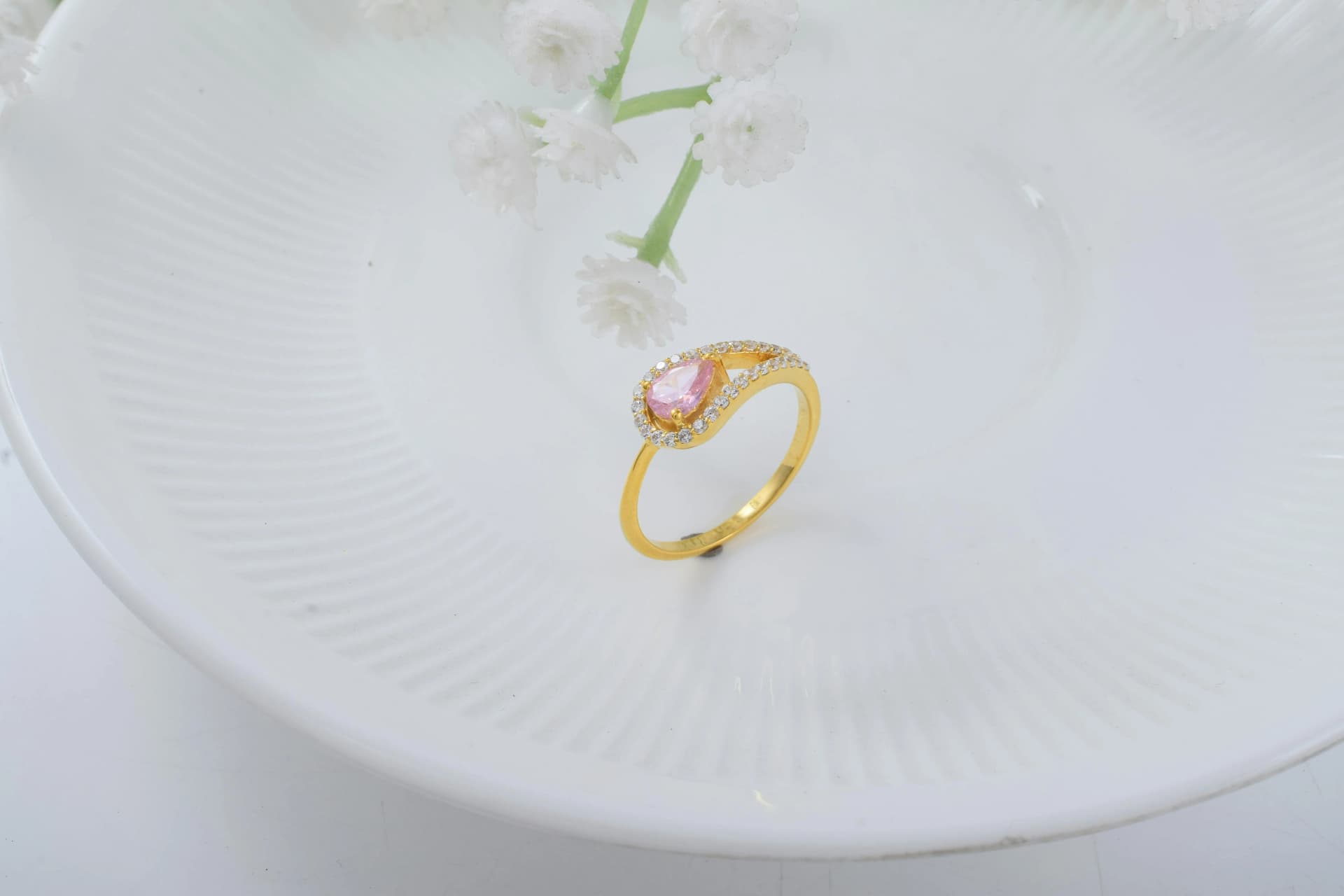
Few developments have shaken the jewellery world as much as lab-grown diamonds. In just a few years they have gone from a curiosity to a mainstream choice, now accounting for a large and growing share of engagement ring sales. But are they a passing fashion or a permanent shift? We have gathered what the evidence and industry experts actually say about the future of lab-grown diamonds.
The overwhelming consensus across the trade is that lab-grown diamonds are here to stay. They are physically and chemically identical to mined diamonds, cost roughly 60–85% less, and appeal strongly to younger, value- and ethics-conscious buyers. The main caveat experts raise is that falling prices make them a poor investment for resale — but as a beautiful, affordable everyday gem, they have secured a lasting place in the market.
What exactly are lab-grown diamonds?
Lab-grown diamonds are real diamonds, grown in a matter of weeks in controlled conditions using one of two methods: High Pressure High Temperature (HPHT) or Chemical Vapour Deposition (CVD). Both produce crystals with the same carbon structure, hardness and optical properties as mined stones — a gemmologist needs specialised equipment to tell them apart. If you want the full science, see our guide to what lab-grown diamonds are made from and our lab-grown diamond collection.
The market signals experts point to
- Explosive growth in share: lab-grown diamonds have gone from a niche product to a substantial portion of diamond engagement ring sales in only a few years, particularly in the UK and US.
- Falling prices: as production has scaled, lab-grown prices have dropped dramatically — often 60–85% below a comparable natural diamond, and still falling.
- Mainstream retail adoption: major jewellers and retailers now stock lab-grown ranges as standard, a sign the category is no longer experimental.
- Generational demand: millennial and Gen Z buyers, who weigh ethics and value heavily, are driving much of the growth.
Why the experts say they are here to stay
The core argument is simple: lab-grown diamonds offer the same look and durability as mined diamonds at a fraction of the price, while sidestepping concerns about mining. That combination of value and conscience is not a fad — it addresses lasting consumer priorities. As the technology matures, quality has become consistently high, with many lab-grown stones achieving excellent colour and clarity grades. For buyers, this means a bigger or better-quality stone for the same budget, something our natural versus lab-grown price comparison makes clear.
The counter-arguments — and what they really mean
Sceptics make two main points. First, because lab-grown diamonds can be produced in volume, they lack the natural rarity that underpins mined-diamond values, so they do not hold resale value well; prices at the till have fallen year on year. Second, some argue the emotional "natural" narrative still matters to a segment of buyers. Both points are fair, but neither undermines the category's staying power — they simply clarify what lab-grown diamonds are for. As one way of framing it: buy a lab-grown diamond because you want a stunning stone at a sensible price, not as a financial investment. Our honest guide, are lab-grown diamonds worth it, explores this in depth.
What the future likely holds
Expect continued growth in market share, further gradual price declines as manufacturing improves, and clearer separation between the two products: natural diamonds positioned around rarity and heritage, and lab-grown diamonds around value, size and sustainability. Certification and disclosure standards are tightening, giving buyers more confidence. In short, lab-grown diamonds are not replacing natural ones so much as expanding the market and giving shoppers a genuine choice. Browse our full lab-grown diamond search to see the range available today.
Frequently asked questions
Are lab-grown diamonds real diamonds?
Yes. Lab-grown diamonds have the same chemical composition, crystal structure, hardness and sparkle as mined diamonds. They are graded on the same colour, clarity, cut and carat scales and certified by the same laboratories.
Will lab-grown diamonds lose their value?
Retail prices for lab-grown diamonds have fallen as production has scaled, so they generally do not hold resale value the way rare natural diamonds can. They are best bought for beauty and value rather than as an investment.
Are lab-grown diamonds just a trend?
The industry consensus is that they are a lasting shift, not a fad. Their combination of identical appearance, much lower price and ethical appeal addresses durable consumer priorities, and mainstream retailers now treat them as a permanent part of the market.
Are lab-grown diamonds cheaper than natural diamonds?
Significantly. A lab-grown diamond typically costs 60–85% less than a natural diamond of comparable size and quality, which means you can choose a larger or higher-grade stone for the same budget.
