Are Lab-Grown Diamonds More Affordable Than Natural Diamonds?
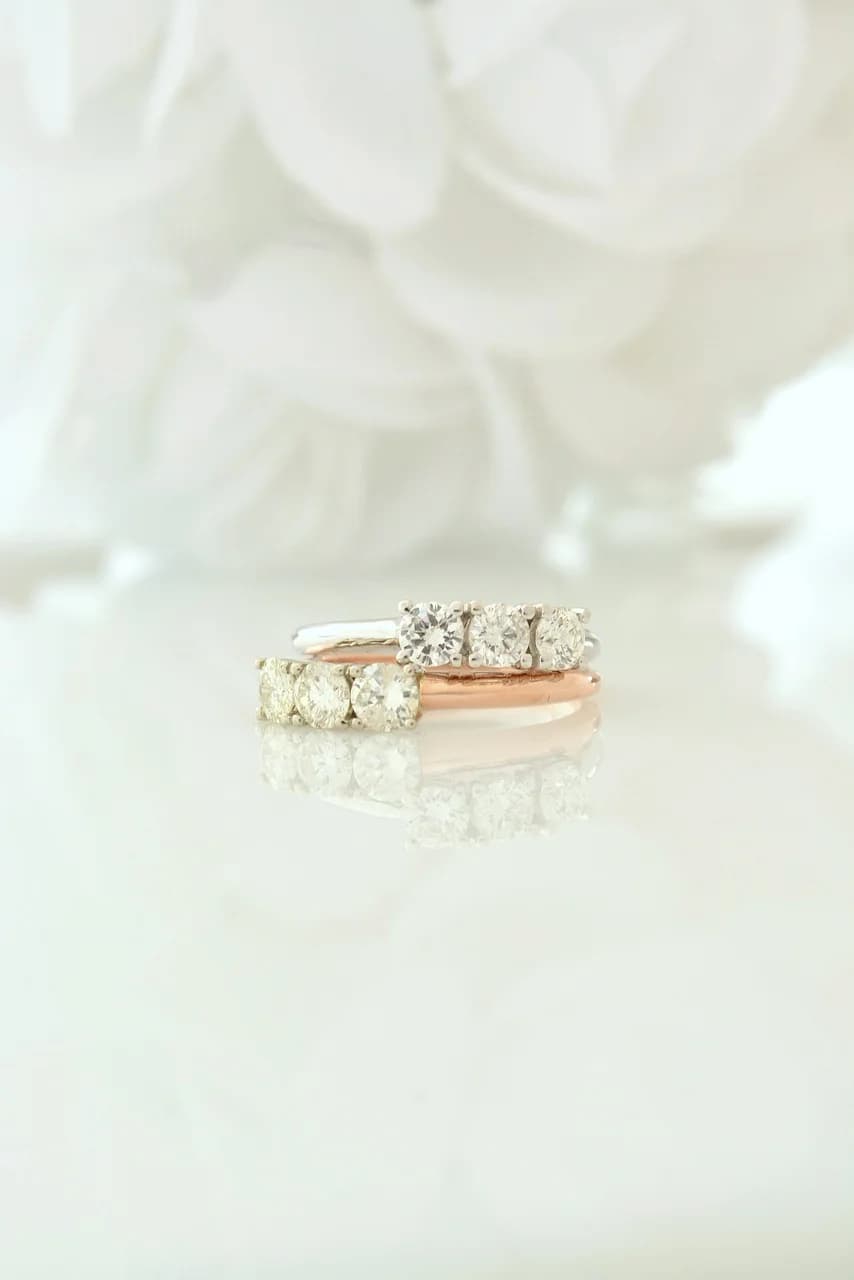
Lab-grown diamonds have taken the jewellery world by storm. With promises of ethical sourcing, environmental benefits, and affordability, these stones are becoming increasingly popular among buyers.
In short: Lab-grown diamonds cost 60-70% less than mined diamonds of the same carat, colour, clarity, and cut. A 1-carat F-VS1 round brilliant runs £1,500-2,200 lab-grown versus £4,500-6,000 mined. The gap widens at larger carat weights — a 2-carat lab-grown can be £3,500-5,500 versus £15,000-20,000 mined. The savings come from production economics, not stone quality.
But the question remains – are lab-grown diamonds truly more affordable than their natural counterparts? Let’s dive into the details and see how they compare.
What Are Lab-Grown Diamonds?
Lab-grown diamonds, as the name suggests, are created in a laboratory setting. Using advanced technology, scientists replicate the natural conditions under which diamonds form in the Earth’s mantle.
The result? A diamond that is chemically, physically, and optically identical to one pulled from the ground.
For more on the variety of these stones, check out lab-grown diamonds.
The key difference is where they originate. Natural diamonds take millions of years to form, whereas lab-grown diamonds can be produced in a matter of weeks.
This difference in production time and process leads to significant differences in cost.
The Price Difference Between Lab-Grown and Natural Diamonds
When it comes to purchasing a diamond, price is often one of the most critical factors.
Generally, lab-grown diamonds are more affordable than natural diamonds of the same size and quality. In fact, they can be anywhere from 30% to 50% cheaper than their natural counterparts.
For those considering a wholesale option, you can explore wholesale diamonds as another alternative to save costs.
This price gap is due to a few key reasons. For one, the production of lab-grown diamonds doesn’t involve the costly and labour-intensive process of mining.
Also, the availability of lab-grown diamonds isn’t constrained by geographical limitations or rarity, which further reduces their cost.
As a result, consumers looking for a more affordable option without compromising on the stone’s quality are increasingly turning to lab-grown diamonds. If you're considering purchasing one, you might want to search for round lab-grown diamonds as a starting point.
Why Are Lab-Grown Diamonds More Affordable?
Several factors contribute to the lower cost of lab-grown diamonds:
- Cost of Production: The process of growing diamonds in a lab is far less expensive than the traditional mining process. Natural diamonds require extensive labour, time, and resources to extract from the Earth, driving up their price.
- Supply and Demand: Lab-grown diamonds are not subject to the same supply constraints as natural diamonds, which are limited by geological conditions and mining capacities. With more lab-grown diamonds available on the market, prices are naturally lower.
- Technological Advances: Over the years, the technology used to create lab-grown diamonds has improved, becoming more efficient and less costly. This has allowed producers to sell lab-grown diamonds at a more affordable price while maintaining their high quality.
You can explore different diamond shapes, such as princess cut lab-grown diamonds or emerald cut lab-grown diamonds, to see how pricing varies across styles.
Long-Term Value: Lab-Grown vs. Natural Diamonds
While lab-grown diamonds may be more affordable upfront, it’s essential to consider their long-term value.
Natural diamonds have long been seen as an investment. Their rarity and desirability mean that, in many cases, they retain or even increase in value over time.
Lab-grown diamonds, on the other hand, tend to depreciate in value after purchase.
Since they can be mass-produced, their resale value is generally lower than that of natural diamonds. For buyers seeking an investment piece, a natural diamond might be the better choice.
If you’re simply looking for a beautiful stone that doesn’t break the bank, a lab-grown diamond is an excellent option. You might want to browse cushion lab-grown diamonds for an affordable, luxurious look.
Factors That Influence the Price of Both Types of Diamonds
Whether you’re looking at lab-grown or natural diamonds, several factors influence their price:
- The 4Cs (Cut, Colour, Clarity, Carat): These are the four main characteristics used to determine a diamond’s value. Both lab-grown and natural diamonds are graded on the 4Cs, and the better the grading, the higher the price, regardless of origin.
- Brand and Retailer Markup: The store you purchase your diamond from can also significantly impact the price. Well-known brands may charge a premium for their diamonds, whether lab-grown or natural, due to their reputation and perceived exclusivity.
To compare options, you can check out fancy coloured diamonds and their lab-grown counterparts here.
Environmental and Ethical Considerations
One of the most significant reasons consumers are drawn to lab-grown diamonds is their ethical and environmental impact.
Mining natural diamonds can be harmful to the environment, and in some cases, it can also involve unethical labour practices.
Lab-grown diamonds, by contrast, have a much smaller carbon footprint and are often considered a more ethical choice.
For those prioritising sustainability and ethical sourcing, the lower environmental impact of lab-grown diamonds can make them even more appealing – and for some, this perceived value might outweigh any potential resale concerns.
For more ethical options, consider viewing heart-shaped lab-grown diamonds, a romantic and eco-friendly choice.
FAQs
Are lab-grown diamonds always cheaper than natural diamonds?
In most cases, yes. Lab-grown diamonds are typically 30% to 50% more affordable than natural diamonds of comparable quality.
The cost savings come from the more efficient production process and the fact that lab-grown diamonds aren’t as scarce as natural ones.
Do lab-grown diamonds hold their value?
Lab-grown diamonds tend to depreciate in value over time, unlike natural diamonds, which are often seen as an investment.
While they may be more affordable upfront, they generally don’t retain their resale value as well as natural diamonds.
Can you tell the difference between lab-grown and natural diamonds?
No, not without specialised equipment. Lab-grown diamonds are chemically and physically identical to natural diamonds, so even a trained jeweller can’t tell the difference with the naked eye.
What are the biggest reasons people choose lab-grown diamonds?
The main reasons people opt for lab-grown diamonds include their affordability, ethical sourcing, and smaller environmental impact.
For many, these factors outweigh the potential drawbacks, such as lower resale value.
In the battle of lab-grown vs. natural diamonds, affordability is a key area where lab-grown diamonds take the lead.
They offer all the beauty and brilliance of natural diamonds at a fraction of the cost.
However, for those looking for long-term investment value, natural diamonds still hold an advantage.
Ultimately, the choice comes down to what matters most to you – whether it’s the price, the ethics, or the long-term value.
Lab-grown diamonds are a fantastic choice for anyone looking for an affordable, eco-friendly, and ethically sourced gemstone, while natural diamonds may appeal more to those seeking a timeless investment piece.
If you’re still undecided, explore pear lab-grown diamonds or radiant lab-grown diamonds to find the perfect fit for your needs.
See the numbers for yourself: our natural vs lab-grown diamond price comparison matches any diamond in our stock with its lab-grown twin, so you can see the exact saving.
