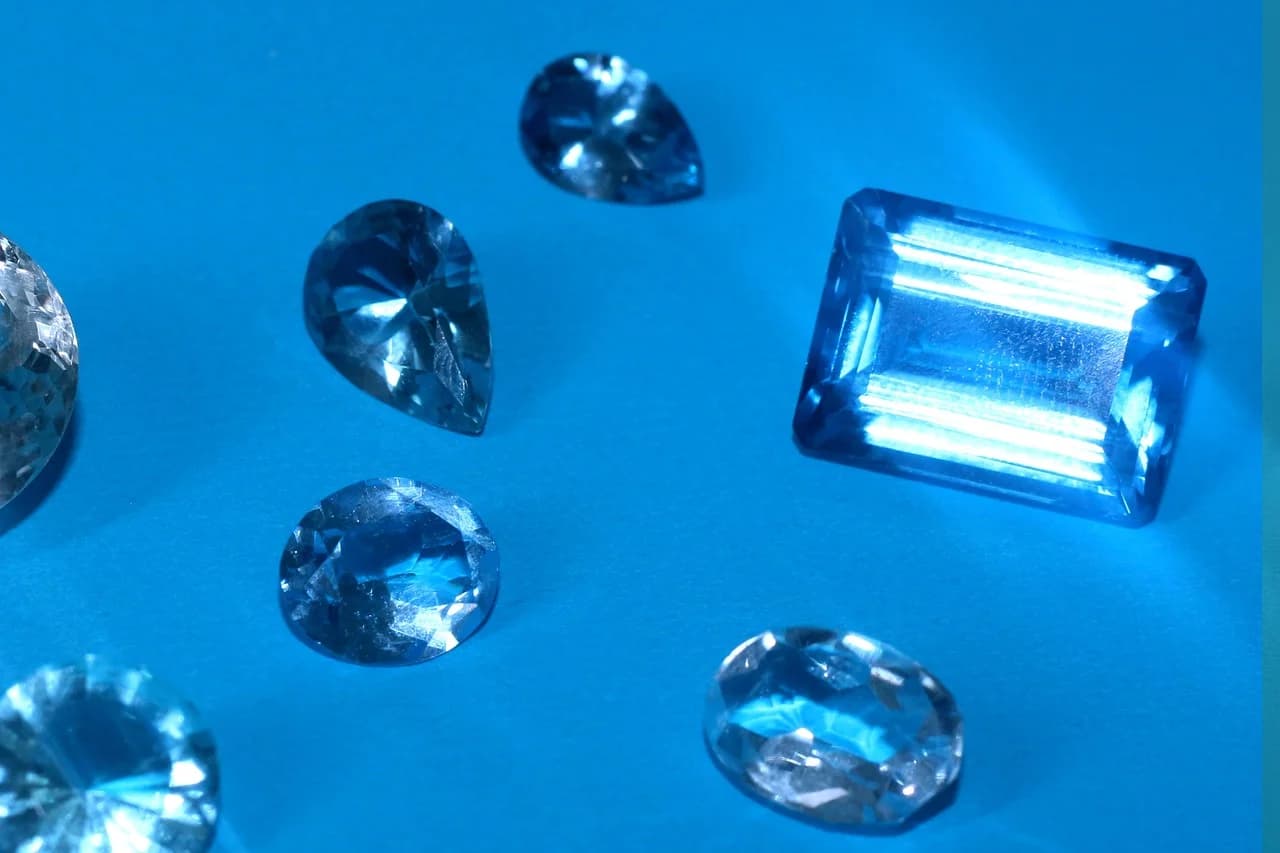
Lab grown diamonds, often referred to as synthetic or man-made diamonds, are created in controlled laboratory environments. These diamonds are made using two primary methods: High Pressure High Temperature (HPHT) and Chemical Vapour Deposition (CVD). Despite their artificial origins, lab grown diamonds are chemically, physically, and optically identical to natural diamonds.
Lab-grown diamonds now represent roughly half of new engagement-ring sales globally and are growing 15-20% year-on-year. Industry analysts expect the market to continue shifting, with mined diamonds focusing on heritage, fancy colours, and investment-grade stones while lab-grown dominates the price-conscious bridal market. Reve Diamonds stocks both side by side for direct comparison.
Many people wonder if lab grown diamonds are ‘real.’ The answer is yes—lab grown diamonds are genuine diamonds. Without specialised equipment, even the most experienced jewellers would struggle to tell the difference between a natural and a lab grown diamond. This indistinguishable nature is one reason lab grown diamonds have caused such a stir in the industry. If you’re interested, you can check out lab grown diamonds in the UK for a closer look.
The Growth of Lab Grown Diamonds in the Market
In recent years, the market for lab grown diamonds has experienced remarkable growth. This trend has been particularly noticeable in sectors like engagement rings, where sustainability and affordability are becoming top priorities for couples. In fact, lab grown diamonds have become especially popular among millennials and Gen Z, groups that value transparency and ethical sourcing.

As demand continues to grow, more jewellers are offering a broader range of lab grown diamond options. From classic round cuts to more unique shapes like emerald cut lab grown diamonds, the availability of these stones has expanded dramatically. This trend is not just a passing fad; it reflects a permanent shift in consumer expectations and desires.
Environmental and Ethical Considerations: A Key Driver
One of the main reasons lab grown diamonds are gaining so much attention is their environmental and ethical benefits. Diamond mining has long been criticised for its environmental impact, including deforestation, soil erosion, and water pollution. the industry has faced scrutiny over human rights abuses, with "blood diamonds" being a significant ethical concern.
Lab grown diamonds, on the other hand, offer an eco-friendly alternative. They are produced without the need for destructive mining practices and typically have a smaller carbon footprint. Many producers also utilise renewable energy sources in their manufacturing processes. For ethically minded consumers, lab grown diamonds provide a way to wear luxury jewellery without compromising on their values. If you’re searching for a sustainable option, check out fancy coloured lab grown diamonds.
Affordability and Accessibility: The Price Advantage
Another key factor in the rise of lab grown diamonds is their affordability. Lab grown diamonds are generally priced 30-40% lower than natural diamonds of comparable quality. This price difference makes luxury jewellery more accessible to a wider range of consumers, allowing people to purchase larger or higher-quality diamonds without breaking the bank.
This affordability has made lab grown diamonds particularly popular in the engagement ring market. Couples can opt for a larger stone or a more intricate setting, knowing that they are getting excellent value for their money. If you’re looking for a beautiful and affordable option, check out round lab grown diamonds for a classic look at a fraction of the cost of natural diamonds.
Technology’s Role in Shaping the Future of Diamonds
Lab grown diamonds wouldn’t exist without advances in technology. The ability to replicate the conditions under which natural diamonds form has revolutionised the industry. Over time, innovations in technology have made it possible to create larger, higher-quality diamonds more efficiently.
The CVD method, in particular, has allowed manufacturers to produce diamonds that rival the best naturally mined stones. As technology continues to evolve, we can expect even greater improvements in the quality and availability of lab grown diamonds, further cementing their place in the market.
Challenges Facing Lab Grown Diamonds
Despite their many advantages, lab grown diamonds are not without challenges. One of the most significant issues is resale value. Currently, natural diamonds tend to retain more value over time, whereas lab grown diamonds have a lower resale value. This is an important consideration for consumers who view diamonds as an investment.
There is also some resistance within the traditional diamond industry. Natural diamond producers argue that lab grown diamonds, while real, lack the unique history and rarity of natural diamonds. This has led to a divide in the industry, with some consumers preferring the exclusivity of natural stones while others are drawn to the affordability and ethics of lab grown diamonds. For those seeking timeless cuts, you can check out princess cut lab grown diamonds and radiant cut lab grown diamonds for stunning alternatives.
Consumer Preferences: Why Lab Grown Diamonds Are Gaining Popularity
Consumer preferences are rapidly shifting in favour of lab grown diamonds. Today’s buyers, particularly millennials and Gen Z, place a high value on sustainability and ethical production. The transparency of lab grown diamonds, combined with their lower environmental impact, makes them an attractive option for those who want to align their purchases with their personal values.
the rise of social media and celebrity endorsements has played a significant role in popularising lab grown diamonds. Influencers and public figures frequently showcase these stones, further driving demand. As more consumers become aware of lab grown diamonds, their popularity is only expected to grow.
The Impact of Lab Grown Diamonds on the Traditional Diamond Industry
The rise of lab grown diamonds has undoubtedly shaken up the traditional diamond industry. Jewellers who previously focused solely on natural diamonds are now expanding their offerings to include lab grown stones. Some have even shifted their entire business models to focus on these ethical alternatives.
The co-existence of lab grown and natural diamonds is an interesting development. Rather than one completely replacing the other, it’s likely that both types of diamonds will continue to have their place in the market. For instance, check out cushion cut lab grown diamonds for a modern take on a classic style, or explore oval cut lab grown diamonds to discover elegant alternatives.
The Future of the Diamond Industry: Will Lab Grown Diamonds Dominate?
So, will lab grown diamonds dominate the future of the diamond industry? While natural diamonds are unlikely to disappear completely, lab grown diamonds are certainly here to stay. Their appeal lies in their ethical production, affordability, and technological innovation.
As more consumers prioritise sustainability and transparency, the demand for lab grown diamonds will likely continue to grow. With advancements in technology making these diamonds even more accessible, it’s possible that lab grown diamonds could one day surpass natural diamonds in popularity.
Lab Grown Diamonds – A Modern Solution for a Modern World
Lab grown diamonds represent a significant shift in the diamond industry. They offer a sustainable, affordable, and ethically sourced alternative to natural diamonds, making them a compelling choice for today’s conscious consumer. As technology advances and consumer preferences continue to evolve, lab grown diamonds are poised to play a major role in the future of the diamond industry. Whether you’re considering a pear cut lab grown diamond or a unique heart cut diamond, lab grown diamonds offer the perfect blend of luxury and responsibility.
FAQs About Lab Grown Diamonds
Are lab grown diamonds real?
Yes, lab grown diamonds are real diamonds. They have the same chemical, physical, and optical properties as natural diamonds. The only difference is that lab grown diamonds are created in a lab, rather than formed naturally in the Earth.
How are lab grown diamonds made?
Lab grown diamonds are created using two methods: High Pressure High Temperature (HPHT) or Chemical Vapour Deposition (CVD). Both methods mimic the natural conditions that form diamonds, resulting in stones that are virtually identical to natural diamonds.
Are lab grown diamonds cheaper than natural diamonds?
Yes, lab grown diamonds are typically 30-40% cheaper than natural diamonds. This is because they don’t require the extensive mining and supply chains associated with natural diamonds.
Do lab grown diamonds have resale value?
Lab grown diamonds generally have a lower resale value compared to natural diamonds. However, as the market for lab grown diamonds grows, this may change in the future.
Can you tell the difference between a lab grown diamond and a natural diamond?
Without specialised equipment, it is nearly impossible to distinguish a lab grown diamond from a natural one. Both types of diamonds share the same properties and appearance.
