Can Lab Grown Diamonds Be Certified? Everything You Need to Know
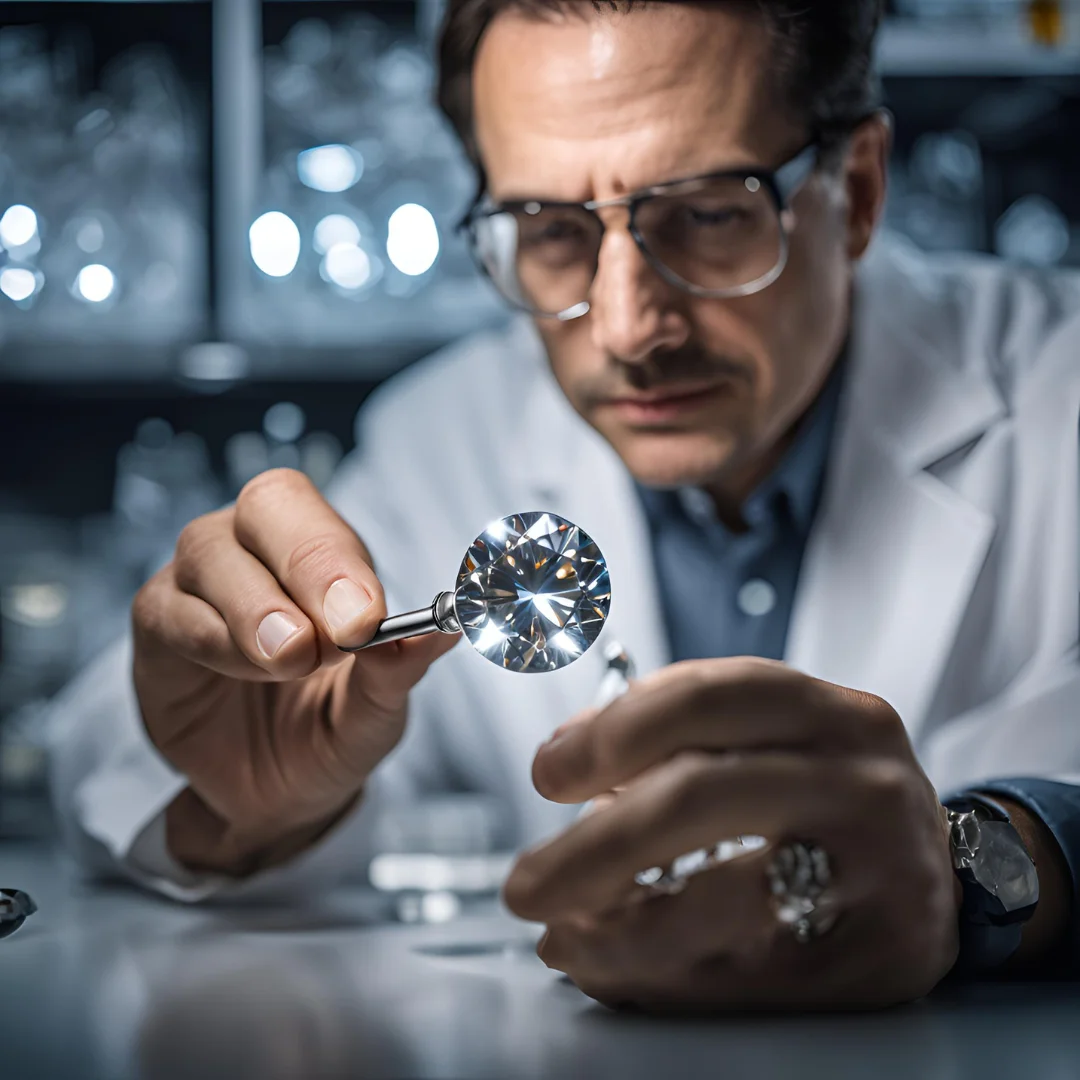
Lab-grown diamonds have quickly gained popularity for their sustainability, affordability, and ethical production methods. As more buyers turn to this eco-friendly option, one question often arises: can lab-grown diamonds be certified in the same way as natural diamonds? The short answer is yes – lab-grown diamonds can indeed be certified, and this certification plays a key role in verifying their quality and authenticity.
In short: Yes. Lab-grown diamonds receive identical GIA, IGI and GCAL certification using exactly the same 4Cs grading as mined diamonds. The grading report explicitly identifies the origin (CVD or HPHT) and includes a laser-inscribed report number on the stone. Always insist on a lab-issued certificate — never a retailer's in-house grading.
In this article, we’ll explore everything you need to know about lab-grown diamond certification, from what it involves to why it’s important.
What Is Diamond Certification?
Diamond certification is an essential part of the diamond-buying process. A diamond certificate, also known as a grading report, is an official document issued by a reputable gemological institute. It provides an unbiased evaluation of the diamond’s quality based on specific criteria, including cut, clarity, carat weight, and colour.
This certificate offers peace of mind, ensuring that the diamond you are purchasing is accurately graded and, in the case of lab-grown diamonds, confirms its man-made origin. The importance of certification cannot be overstated, especially for those looking to invest in a high-quality diamond.
Whether natural or lab-grown, a certified diamond guarantees transparency, giving you full confidence in your purchase.
If you’re interested in purchasing certified diamonds from a trusted source, check out this diamond dealer.
Can Lab Grown Diamonds Be Certified?
Yes, lab-grown diamonds can absolutely be certified, and they often undergo the same rigorous evaluation process as natural diamonds. When you purchase a lab-grown diamond, you can expect it to be graded by reputable gemological laboratories that assess its quality based on the 4 Cs: cut, colour, clarity, and carat weight.
Lab-grown diamonds are chemically, physically, and optically identical to mined diamonds, which means they can be graded and certified in exactly the same way. The key difference is that lab-grown diamonds are created in controlled environments rather than being mined from the earth, and this will be clearly indicated on their certificate.
Certification for lab-grown diamonds offers reassurance that you are purchasing a genuine diamond, ensuring that it has not been misrepresented.
For those looking into lab-grown options, explore lab-grown diamonds in the UK.
The Role of Major Certification Bodies in Lab Grown Diamonds
Gemological Institute of America (GIA)
The GIA is one of the most respected names in diamond certification, and they provide grading reports for both natural and lab-grown diamonds. For lab-grown diamonds, the GIA follows the same evaluation process, grading the diamond based on its quality but clearly marking it as lab-grown on the certificate. While GIA initially hesitated to certify lab-grown diamonds, they now offer full certification services, acknowledging the increasing demand for these ethical and sustainable diamonds.
International Gemological Institute (IGI)
The IGI is a leading player in the certification of lab-grown diamonds and has been at the forefront of this market. They were one of the first major organisations to offer grading reports for lab-grown diamonds, making them a popular choice for buyers seeking certified lab-grown jewellery. IGI’s grading system is highly detailed, providing an in-depth analysis of the diamond’s characteristics, including laser inscriptions that note its lab-grown origin.
For those seeking specific diamond shapes, check out round lab-grown diamonds or princess cut lab-grown diamonds.
Other Recognised Certification Bodies
Other certification bodies, such as HRD Antwerp and GCAL, also provide grading reports for lab-grown diamonds. These organisations ensure that lab-grown diamonds are held to the same standards as natural diamonds, giving consumers a range of options when it comes to certification.
What Does a Lab Grown Diamond Certificate Include?
A lab-grown diamond certificate typically includes all the key details about the diamond’s quality, based on the 4 Cs: cut, colour, clarity, and carat weight. This information helps buyers understand the specific characteristics of the diamond and how it ranks in terms of overall quality.
In addition to the 4 Cs, lab-grown diamond certificates also specify the diamond’s origin. For example, the certificate will clearly state that the diamond was created in a laboratory and not mined from the earth.
Many lab-grown diamonds also have laser inscriptions on their girdle (the outer edge), which match the certificate number, making it easy to verify the diamond’s authenticity.
If you’re exploring different cuts, check out pear-shaped lab-grown diamonds or cushion cut lab-grown diamonds.
Why Is Certification Important for Lab Grown Diamonds?
Certification is vital for lab-grown diamonds, as it provides an independent verification of the diamond’s quality and origin. Without certification, buyers have no way of knowing whether the diamond has been accurately graded, or if it is indeed a lab-grown diamond. Certification also adds value to the diamond, making it easier to insure and increasing its potential resale value.
In a market where transparency is key, certified diamonds are considered more trustworthy, giving buyers peace of mind when making such an important purchase.
For those interested in coloured diamonds, check out fancy coloured lab-grown diamonds.
How to Check If Your Lab Grown Diamond Is Certified
Ensuring that your lab-grown diamond is certified is relatively straightforward. Most reputable jewellers will provide a copy of the diamond’s certificate at the point of sale. You can also verify the certificate by checking the diamond’s unique serial number (often inscribed on the diamond itself) against the certifying body’s online database. If you’re purchasing a diamond online, always ask to see the certificate before finalising your purchase.
Avoid buying diamonds that come without certification, as this may indicate that the diamond hasn’t been properly graded or is of lower quality than advertised.
For those looking into different shapes and cuts, explore radiant cut lab-grown diamonds and emerald cut lab-grown diamonds.
Do Certified Lab Grown Diamonds Hold Value?
Certified lab-grown diamonds are more likely to hold value than uncertified diamonds. While lab-grown diamonds generally have a lower resale value compared to natural diamonds, certification ensures that the diamond’s quality is recognised, which can positively impact its resale potential. As the market for lab-grown diamonds continues to grow, certification will play an increasingly important role in maintaining trust and value.
Certified diamonds are viewed as a safe investment, and while they may not appreciate in value like rare natural diamonds, they still offer an affordable and sustainable option for those who want to make a responsible purchase.
FAQs about Lab Grown Diamond Certification
Can lab-grown diamonds be certified the same way as natural diamonds?
Yes, lab-grown diamonds can be certified using the same grading criteria as natural diamonds. The 4 Cs – cut, clarity, colour, and carat weight – are all assessed in the same way, with the main difference being that lab-grown diamonds are marked as man-made on the certificate.
What’s the difference between GIA and IGI certification for lab-grown diamonds?
Both GIA and IGI offer certification for lab-grown diamonds, but IGI has been more proactive in grading lab-grown diamonds from the outset. GIA initially hesitated but now provides full certification. The grading process is similar, but IGI certificates are more commonly seen in the lab-grown diamond market.
How can I verify that my lab-grown diamond is certified?
You can verify your diamond’s certification by checking the certificate number with the certifying body, either online or through the jeweller. The diamond itself may also have a laser inscription of the certificate number, which you can cross-check with the grading report.
Why is certification important when buying a lab-grown diamond?
Certification provides independent verification of a diamond’s quality and ensures that it is a genuine lab-grown diamond. It adds value, helps with insurance, and gives buyers peace of mind that they are getting what they paid for.
Do certified lab-grown diamonds cost more than uncertified ones?
Certified lab-grown diamonds may be slightly more expensive than uncertified ones, but the added cost is worth it for the assurance of quality and authenticity. Uncertified diamonds may not be graded as accurately, and buyers risk purchasing lower-quality stones.
