How Lab-Grown Diamonds Are Redefining Consumer Preferences
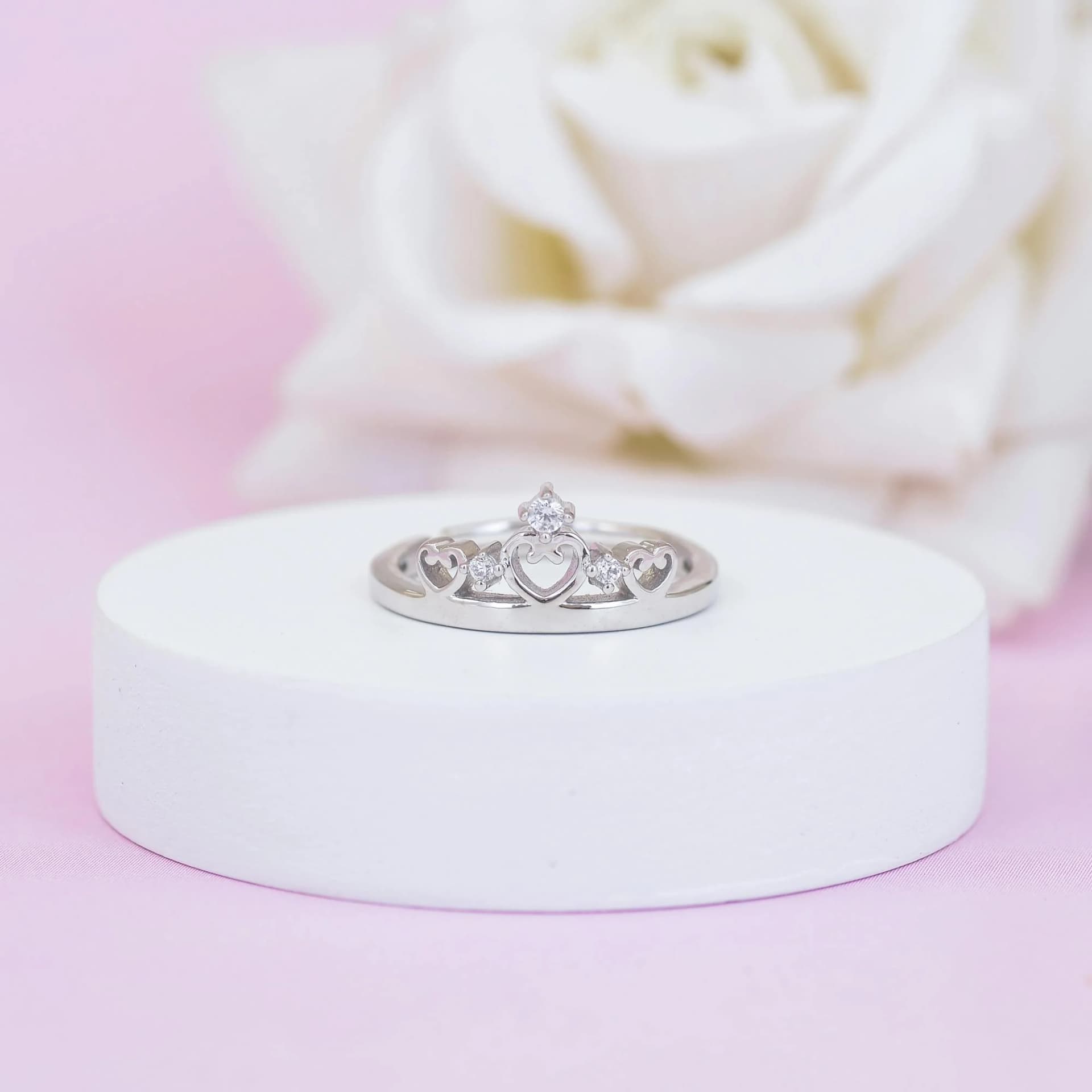
A decade ago, a diamond ring almost always meant a mined stone. Today the picture looks very different. Lab-grown diamonds have moved from curiosity to mainstream, and they are quietly reshaping what shoppers expect from fine jewellery — more transparency, better value and a clear conscience, all without compromising on beauty.
In short: Consumer demand is shifting towards lab-grown diamonds because buyers increasingly prioritise ethics, sustainability and value. Younger couples in particular want to know where their diamond came from, prefer a traceable supply chain, and like that a lab-grown stone lets them buy larger or higher quality for the same budget. The result is a growing share of engagement rings and everyday pieces now set with grown diamonds.
What is driving the change
Three forces are pulling shoppers towards lab-grown diamonds at the same time. The first is value: because there is no mining involved, a certified grown diamond typically costs far less than a mined equivalent, so buyers can choose a bigger or finer stone. The second is ethics: a laboratory origin means a fully traceable stone with no concerns about mining's social impact. The third is environmental awareness, as more people weigh the footprint of what they buy.
A generation that asks questions
Millennial and Gen Z buyers research before they purchase, and they expect honest answers. They compare certificates, read up on the 4Cs and want to understand exactly what they are paying for. Lab-grown diamonds suit this mindset perfectly — every stone is graded by an independent laboratory such as GIA or IGI, and the price difference versus mined stones is easy to see in our natural versus lab-grown price comparison.
Value without compromise
The appeal is not simply that lab-grown diamonds are cheaper. It is that the saving can be reinvested — into a larger centre stone, a more intricate setting, or a matching wedding band. A couple might choose a two-carat lab-grown solitaire for the price they had set aside for a one-carat mined stone, then put the difference towards their wedding bands. That flexibility is a large part of why preferences are shifting.
From engagement rings to everyday pieces
The trend started with engagement rings but has spread across the jewellery box. Studs, tennis bracelets, pendants and eternity rings all benefit from the same value equation, encouraging shoppers to buy pieces they might once have considered out of reach. You can see the breadth of the collection on our lab-grown diamonds hub or start with our engagement rings.
What it means for buyers today
The practical upshot is that lab-grown diamonds are no longer an alternative choice — for many shoppers they are the default. As demand grows, choice widens and confidence rises, helped by clear certification and transparent pricing. If you are weighing up your options, our diamond education guide explains what to look for so you can buy with confidence.
Frequently asked questions
Are lab-grown diamonds becoming more popular than mined diamonds?
Lab-grown diamonds now account for a fast-growing share of the market, especially among younger buyers choosing engagement rings, though mined diamonds remain widely sold too.
Do lab-grown diamonds look different from mined ones?
No. They are chemically and optically identical, so they show the same brilliance and fire. Only laboratory equipment can tell them apart.
Will choosing lab-grown affect resale?
Diamonds of any origin generally sell for less than their retail price second-hand. Most buyers choose a diamond to wear and treasure rather than as an investment.
Ready to join the shift? Explore our lab-grown engagement rings and see why so many couples are choosing grown diamonds.
