If you're shopping for an engagement ring in London, one of the first questions you'll ask is: how much should I expect to spend? The honest answer is that prices vary enormously — from under £1,500 for a beautiful certified lab-grown diamond solitaire to £50,000 or more for a bespoke piece from one of Bond Street's luxury houses.
The average London engagement ring spend is £3,928 (2025 Rêve Diamonds research, down from £4,656 in 2023). Typical Hatton Garden ring at this budget: 1.00ct lab-grown round in F/VS1 platinum, or 0.50-0.70ct natural diamond in the same setting. Equivalent on Bond Street typically costs 40-60% more for the same diamond grade.
But the good news is that London's competitive jewellery market — particularly in Hatton Garden — means that exceptional quality is available at every budget level. And with the rise of lab-grown diamonds, buyers today can access stones that would have cost significantly more just a few years ago.
This guide breaks down what engagement rings actually cost in London in 2026, what drives those prices up or down, and the smartest decisions you can make to maximise what you get for your money.
What Is the Average Cost of an Engagement Ring in London?
The average engagement ring spend in London sits between £2,000 and £5,000 — noticeably higher than the UK national average of approximately £1,800–£2,100, reflecting the concentration of premium jewellers and the city's higher cost of living.
Within that range, buyers can expect a well-made certified diamond ring in 18ct gold or platinum with a stone of around 0.5–1ct. Buyers choosing lab-grown diamonds — which cost 30–50% less than mined equivalents of the same grade — can achieve meaningfully larger or higher-quality stones within the same budget.
At the lower end, beautiful certified engagement rings are available from £1,200–£1,500, particularly from independent Hatton Garden jewellers and specialist lab-grown diamond retailers. At the upper end, bespoke designs from luxury houses on Bond Street regularly exceed £10,000–£20,000. For direct access to competitively priced certified stones, London's wholesale diamond dealers offer some of the best value in the city.
What Factors Affect Engagement Ring Prices in London?
The 4Cs — The Biggest Single Driver of Diamond Price
The quality of the centre diamond is the primary cost driver for any engagement ring. Understanding the 4Cs before you start shopping is the single most effective way to take control of your budget:
- Cut: The most important of the four factors for visual appearance. A well-cut diamond reflects light brilliantly; a poorly cut stone of the same carat weight will look flat and lifeless. Always prioritise an Excellent or Ideal cut grade — never compromise here to save money on the other factors. Browse our round lab-grown diamonds for stones graded to the highest cut standards.
- Colour: Graded D (colourless) to Z (visibly yellow). The D–F range commands the highest prices. H and I grades appear near-colourless to the naked eye in most settings and cost meaningfully less — a smart trade-off for most buyers. For something truly distinctive, fancy coloured diamonds in yellow, pink, and blue offer extraordinary visual impact at a wide range of price points.
- Clarity: Measures internal inclusions and surface blemishes. VS2 and SI1 grades are typically eye-clean — indistinguishable from flawless diamonds without magnification — and represent excellent value over higher clarity grades that make no practical visual difference once the ring is being worn.
- Carat: Diamond price increases sharply and disproportionately at round carat milestones. A 0.96ct stone of identical quality to a 1.00ct stone can cost noticeably less with virtually no visible size difference. Buying just below round carat thresholds (1ct, 1.5ct, 2ct) is one of the most effective budget strategies available. Explore our full lab-grown diamond collection to compare options across carat weights and grades.
Metal Choice
The ring's metal adds meaningfully to the overall cost. Platinum is the most expensive option — denser, more durable, and naturally white, but commanding a £300–£700 premium over a comparable 18ct gold setting. 18ct white, yellow, and rose gold are all excellent alternatives that wear beautifully for daily use. Yellow and rose gold have seen a significant resurgence in popularity and pair particularly well with fancy shaped centre stones.
Setting Style and Design Complexity
A classic solitaire setting is the most cost-effective option — all of your budget goes into the centre stone, and the result is timeless. Halo and pavé designs are more labour-intensive and use additional smaller diamonds, which increases the price. Three-stone rings require three matched stones rather than one. Bespoke or custom designs — where a jeweller creates something entirely to your specification — add craftsmanship cost, but often less than buyers expect, particularly at independent jewellers.
Brand Premium
Rings from Cartier, Tiffany & Co., Graff, and other luxury houses carry a significant premium over independent jewellers for comparable stones and settings. Much of that premium reflects marketing, heritage, and the prestige of the name — not the diamond itself. For buyers who value the brand experience and the iconic packaging, the premium is a personal choice worth making. For buyers focused purely on stone quality and design, independent jewellers and specialists like Reve Diamonds consistently deliver better value per pound.
Mined vs. Lab-Grown Diamonds
The most impactful single decision a budget-conscious buyer can make. Lab-grown diamonds are physically, chemically, and optically identical to mined diamonds — graded by the same GIA and IGI laboratories to the same standards. They typically cost 30–50% less. In practical terms: a buyer with a £4,000 budget could choose between a 0.8ct mined diamond or a 1.4ct lab-grown diamond of identical cut, colour, and clarity. The visual difference is substantial. For a cushion cut, an oval, or any other shape, the same principle applies.
Engagement Ring Prices by Style in London (2026)
Solitaire Engagement Rings
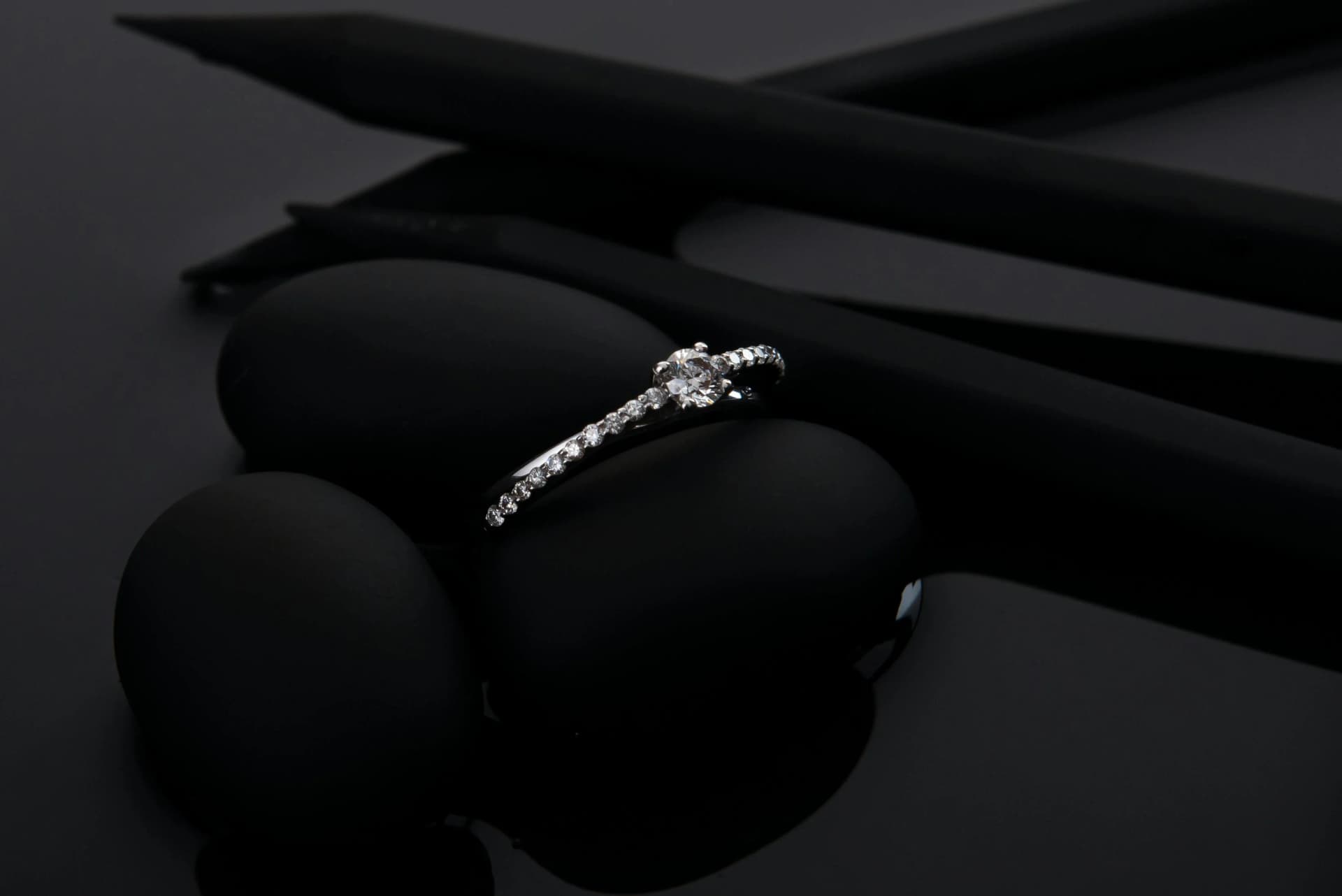
The most timeless and popular choice — a single centre stone in a four or six-claw setting. Prices in London start from approximately £1,200 for a certified lab-grown diamond in 18ct gold and range up to £6,000+ for a 1ct+ mined diamond in platinum. The solitaire's simplicity means your entire budget is focused on the stone — making it the ideal style for buyers who want to maximise diamond quality.
Halo Engagement Rings
A halo of smaller diamonds surrounds the centre stone, creating the visual impression of a larger stone and adding significant sparkle. Prices typically range from £1,800 to £7,000 depending on the quality and total carat weight of all stones. Using a lab-grown centre stone with natural or lab-grown accent stones is a popular approach that delivers the full visual impact of a halo at a considerably lower price.
Three-Stone Engagement Rings
Three stones — symbolising past, present, and future — in a shared setting. The price depends on the individual quality and carat weight of all three stones, but typically falls between £2,000 and £8,000 for a quality certified ring. The visual impact of a well-proportioned three-stone ring is significant, and the style has seen a strong resurgence in popularity.
Vintage and Art Deco Styles
Vintage-inspired settings — milgrain edges, filigree metalwork, old-cut diamonds — offer a romanticism and individuality that modern designs rarely replicate. Prices for authentic antique rings range from £2,500 to £12,000+ depending on age, provenance, and stone quality. For a vintage aesthetic with a contemporary stone, fancy coloured lab-grown diamonds in yellow or rose gold vintage-style settings have become one of the most requested bespoke combinations.
How to Get the Most Value for Your Budget in London
Choose a Lab-Grown Diamond
Lab-grown diamonds remain the single most effective way to maximise stone quality within a fixed budget. Certified to the same standards, identical in every measurable way, and 30–50% less expensive — the case for lab-grown is straightforward for most buyers.
Buy Just Below Round Carat Milestones
A 0.97ct stone looks virtually identical to a 1.00ct stone in a setting but can cost significantly less. The same applies at the 1.5ct and 2ct marks. Ask your jeweller to show you options just below these round thresholds.
Prioritise Cut Over Colour and Clarity
A D/Flawless diamond with a poor cut will look duller than an H/VS2 diamond with an Excellent cut. Cut is the most visually impactful of the 4Cs — and strategic, modest compromises on colour (H–I) and clarity (VS2–SI1) free up significant budget for carat weight without any perceptible visual difference.
Shop in Hatton Garden
London's jewellery quarter is the most price-competitive diamond market in the UK. Visiting multiple dealers and comparing certified stones side by side — something uniquely possible in Hatton Garden — regularly reveals meaningful price differences for equivalent quality.
Time Your Purchase
Black Friday, Boxing Day, and January sales offer the most reliable discount windows across London jewellers. Pre-Valentine's Day promotions are also worth watching. For independent jewellers and specialists, price flexibility is often available year-round — it's always worth a direct conversation about budget.
Ask About Financing
Interest-free payment plans are available from a number of reputable London jewellers, including several Hatton Garden specialists. Spreading the cost over 6–12 months can make a meaningfully better ring accessible without financial strain.
Frequently Asked Questions
What is the average cost of an engagement ring in London in 2026?
The average spend in London falls between £2,000 and £5,000, though beautiful certified rings are available from £1,200 upwards — particularly with lab-grown diamonds. Luxury brand rings from Cartier, Tiffany, and equivalents typically start considerably higher.
Should I follow the "three months' salary" rule?
No. The three-months' salary guideline was created by a diamond marketing campaign in the 1980s — it has no basis in romance, tradition, or common sense. Spend what you're genuinely comfortable with. A well-chosen £2,000 ring means far more than a £6,000 one bought under financial pressure.
What is the cheapest way to buy a high-quality engagement ring in London?
Choose a lab-grown diamond, prioritise cut quality over colour and clarity grade, buy just below round carat milestones, shop in Hatton Garden, and compare certified stones across at least two or three jewellers before committing. These five decisions alone can reduce the cost of a comparable ring by 40–60%.
Are there hidden costs when buying an engagement ring in London?
Potentially — ring insurance, resizing, prong tightening, and periodic professional cleaning are all costs to factor in. Some jewellers include aftercare services as part of the purchase; others charge separately. Ask about what's included before committing, and always insure your ring once purchased.
How can I be sure I'm paying a fair price?
Always insist on a GIA or IGI grading certificate for the centre stone — this gives you independent verification of the diamond's quality and allows genuine like-for-like price comparisons between jewellers. Compare at least two or three quotes for stones of the same certified grade before purchasing.
Is it worth buying from an independent jeweller rather than a luxury brand?
For most buyers focused on stone quality and design, yes. Independent jewellers — particularly in Hatton Garden and Mayfair — consistently deliver better stone quality per pound spent than luxury brand retailers, whose prices reflect marketing spend and brand heritage as much as the ring itself. For buyers who specifically value the brand experience and the name on the box, the premium is a personal choice — but it should be a conscious one.
How do I know if a lab-grown diamond is real?
A lab-grown diamond is a real diamond — physically, chemically, and optically identical to a mined stone. It is graded by the same independent laboratories (GIA and IGI) using the same 4Cs scale. The only difference is its origin — and its price. Browse our full range of certified lab-grown diamonds to explore what's available at your budget, or book a consultation at our Mayfair showroom to see them in person.