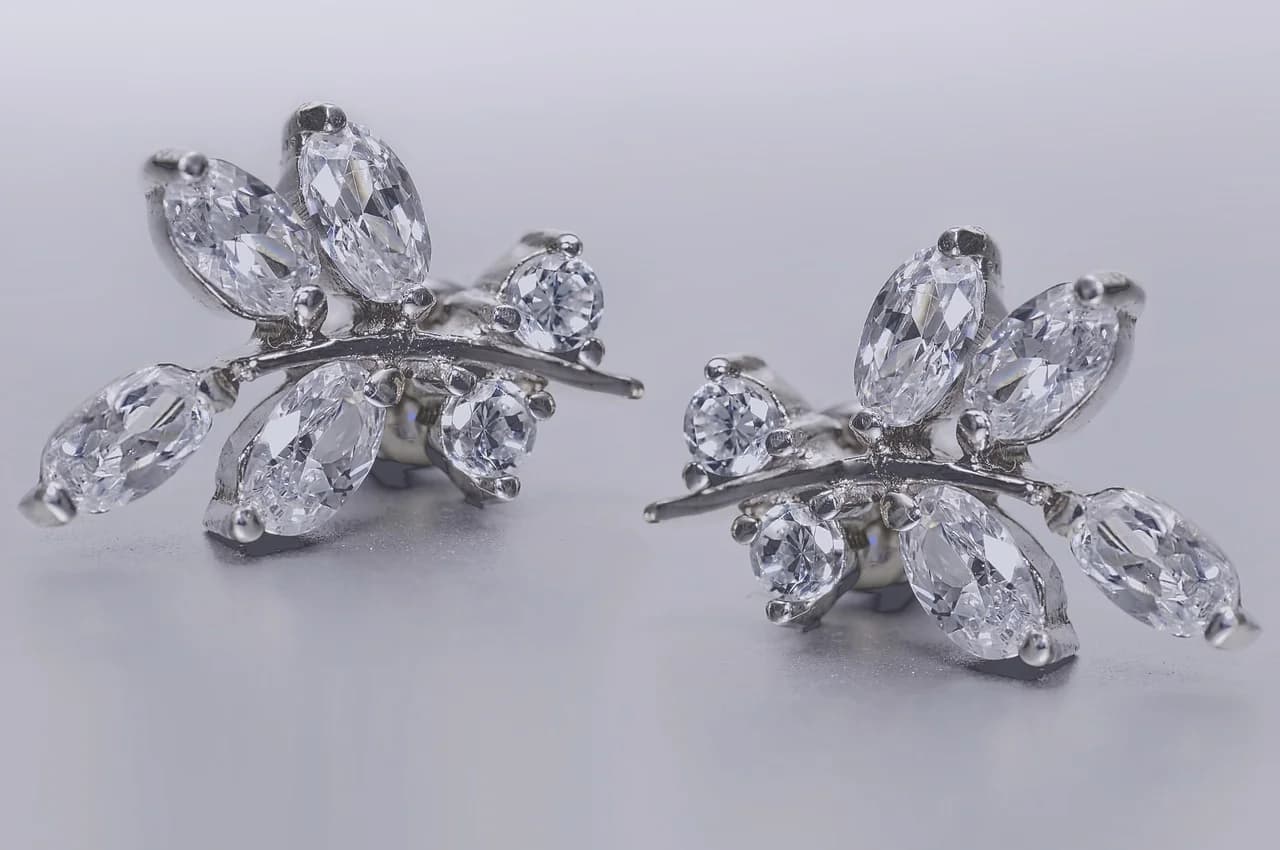
Lab-grown diamonds are taking the jewellery world by storm.
Lab-grown diamond selection priorities: (1) IGI or GIA certification (CVD/HPHT origin disclosed, laser-inscribed report number), (2) Excellent cut grade (most visible-beauty per pound), (3) F-H colour and VS1-SI1 clarity (eye-clean, max value), (4) Type IIa CVD or HPHT (purest, virtually nitrogen-free). Expect £700-£2,000 for 1ct in this spec.
With their ethical appeal, affordability, and striking similarity to natural diamonds, it's no wonder more and more people are choosing them for their most treasured pieces.
But how do you pick the best lab-grown diamonds for your jewellery? Whether you’re designing an engagement ring, a necklace, or a pair of earrings, this guide will walk you through everything you need to know to make the right choice.
What Are Lab-Grown Diamonds?
Lab-grown diamonds, also known as synthetic or man-made diamonds, are real diamonds that are created in a laboratory rather than being mined from the earth.
They have the same chemical and physical properties as natural diamonds, meaning they are just as durable and beautiful.
There are two main methods used to create lab-grown diamonds: Chemical Vapour Deposition (CVD) and High Pressure, High Temperature (HPHT).
Both methods produce diamonds that are virtually identical to mined ones.
If you're interested in exploring a range of lab-grown diamonds, check out lab-grown diamonds in the UK.
What sets lab-grown diamonds apart is not just how they’re made, but their appeal to those who prioritise ethics and sustainability.
Because lab-grown diamonds don’t involve mining, they avoid the environmental impact and human rights issues often associated with natural diamond extraction.
Benefits of Lab-Grown Diamonds for Jewellery
Lab-grown diamonds aren’t just a passing trend; they come with several long-term benefits that make them an excellent choice for all kinds of jewellery.
For starters, they are ethical.
Unlike natural diamonds, which may come from conflict zones, lab-grown diamonds are guaranteed to be conflict-free.
This makes them ideal for anyone concerned about the ethical implications of diamond mining.
Lab-grown diamonds are also environmentally friendly.
Mining diamonds takes a significant toll on the environment, disrupting ecosystems and consuming large amounts of energy.
By contrast, lab-grown diamonds are created in a controlled lab setting with a much smaller environmental footprint.
And, of course, there’s the price factor.
Lab-grown diamonds are typically more affordable than their natural counterparts.
This doesn’t mean they’re of lower quality—quite the opposite.
You can often get a larger, higher-quality lab-grown diamond for the same price as a smaller natural diamond, making them an appealing option for those looking to get more value for their money.
If you're interested in wholesale options, explore diamond dealer options in London.
The 4Cs of Lab-Grown Diamonds: What to Look For
When choosing lab-grown diamonds, it’s important to pay attention to the 4Cs: cut, colour, clarity, and carat weight.
These are the same factors used to evaluate natural diamonds and can significantly affect both the appearance and price of your diamond.
Cut
The cut of a diamond refers to how well it has been shaped and faceted to reflect light.
A well-cut diamond will sparkle brilliantly, while a poorly cut one may appear dull.
For the best sparkle, choose a diamond with an excellent or very good cut grade.
Colour
Lab-grown diamonds come in a range of colour grades, from completely colourless to diamonds with slight tints.
If you're interested in unique colours, check out fancy coloured diamonds or fancy coloured lab-grown diamonds.
Colourless diamonds (graded D-F) are the most sought-after, but slightly tinted diamonds (G-J) can offer great value while still appearing nearly colourless to the untrained eye.
Clarity
Clarity refers to the presence of internal flaws, known as inclusions, and external imperfections, called blemishes.
While it’s rare to find a diamond with perfect clarity, diamonds with fewer inclusions are generally more desirable.
However, many inclusions are so small they are invisible without magnification, so a slightly lower clarity grade can still look stunning in jewellery.
Carat Weight
Carat weight refers to the size of the diamond.
Larger diamonds are, of course, more expensive, but bigger isn’t always better.
Consider the style of the jewellery and your budget when choosing the carat weight.
Explore options like round lab-grown diamonds or cushion lab-grown diamonds to find the right size and shape for your needs.
Lab-Grown Diamond Certification
Certification is key when purchasing lab-grown diamonds.
Just as with natural diamonds, lab-grown diamonds should come with a certification from a reputable grading institution, such as the Gemological Institute of America (GIA) or the International Gemological Institute (IGI).
These certificates provide details on the diamond’s 4Cs and ensure you’re getting exactly what you pay for.
Without certification, you can’t be certain of the diamond’s quality or value.
Make sure you ask for a certified lab-grown diamond when shopping for your jewellery.
Choosing the Right Diamond Shape for Your Jewellery
The shape of the diamond is just as important as its other characteristics.
Lab-grown diamonds come in a variety of shapes, and the right one will depend on both your personal style and the type of jewellery you’re designing.
The most popular shape is the round brilliant, known for its exceptional sparkle.
It’s a classic choice for engagement rings and pairs beautifully with almost any setting.
If you’re looking for something more unique, the princess cut offers a modern, angular look, while the oval and pear-shaped diamonds are ideal for those who prefer elongated, elegant designs.
You can browse princess cut lab-grown diamonds and oval lab-grown diamonds to find your ideal shape.
For vintage-inspired jewellery, emerald and cushion cuts bring a timeless charm.
Each shape has its own unique appeal, so consider what best suits your personal style or the jewellery piece you’re creating.
Emerald lab-grown diamonds and radiant lab-grown diamonds are excellent choices for adding a sophisticated touch.
Matching the Diamond to the Jewellery Setting
Once you’ve selected your diamond, the next step is choosing the right setting.
The setting not only holds the diamond in place but also enhances its appearance.
For those who prefer simplicity, a solitaire setting—where the diamond is the focal point—never goes out of style.
If you want something with a bit more sparkle, a halo setting, which surrounds the centre diamond with smaller stones, adds a touch of glamour.
Other options include the pavé setting, where the band is encrusted with tiny diamonds, or the three-stone setting, perfect for showcasing multiple diamonds.
Make sure the setting complements both the shape and size of your diamond, and consider the metal type (platinum, white gold, yellow gold, etc.) to ensure a harmonious look.
Pricing Guide: How Much Should You Pay?
Lab-grown diamonds offer excellent value, but how much should you expect to spend?
Prices vary depending on the 4Cs and the diamond’s certification.
A one-carat lab-grown diamond can cost anywhere from £1,000 to £3,000, depending on its quality.
To get the most for your money, balance the diamond’s cut, clarity, and carat weight.
A slightly lower colour or clarity grade can often save you money without sacrificing visual beauty.
Shop around, compare prices from different jewellers, and don’t be afraid to negotiate—many jewellers are open to offering discounts, especially if you’re purchasing a custom piece.
How to Care for Your Lab-Grown Diamond Jewellery
Like all precious jewellery, lab-grown diamonds need proper care to keep them looking their best.
Regular cleaning will help maintain their sparkle.
Use a soft toothbrush and a mixture of warm water and mild soap to gently scrub away dirt and oils.
When not wearing your diamond jewellery, store it in a soft cloth or jewellery box to prevent scratching.
If you have pieces you wear daily, like an engagement ring, consider professional cleaning once a year to keep it in top condition.
Frequently Asked Questions (FAQs)
Are lab-grown diamonds real diamonds?
Yes, lab-grown diamonds are real diamonds with the same physical, chemical, and optical properties as natural diamonds.
The only difference is how they are created.
Do lab-grown diamonds lose their value over time?
Like natural diamonds, the resale value of lab-grown diamonds may fluctuate, but they tend to hold less value compared to natural diamonds in the resale market.
However, their initial lower cost makes them an excellent option for those prioritising affordability.
Are lab-grown diamonds better for the environment?
Yes, lab-grown diamonds have a much smaller environmental footprint than mined diamonds.
They require significantly less energy and don’t disrupt ecosystems, making them a more sustainable choice.
Can you tell the difference between lab-grown and natural diamonds?
No, lab-grown diamonds are virtually indistinguishable from natural diamonds without specialised equipment.
Even jewellers may need certification and advanced testing to tell the difference.
Do lab-grown diamonds come in different colours?
Yes, lab-grown diamonds are available in various colours, including the classic white (colourless) and fancy colours like yellow, blue, and pink.
Colourless diamonds are the most popular for traditional jewellery, but coloured diamonds are perfect for unique, statement pieces.