Lab Grown Diamonds: A Game-Changer in the Diamond Industry
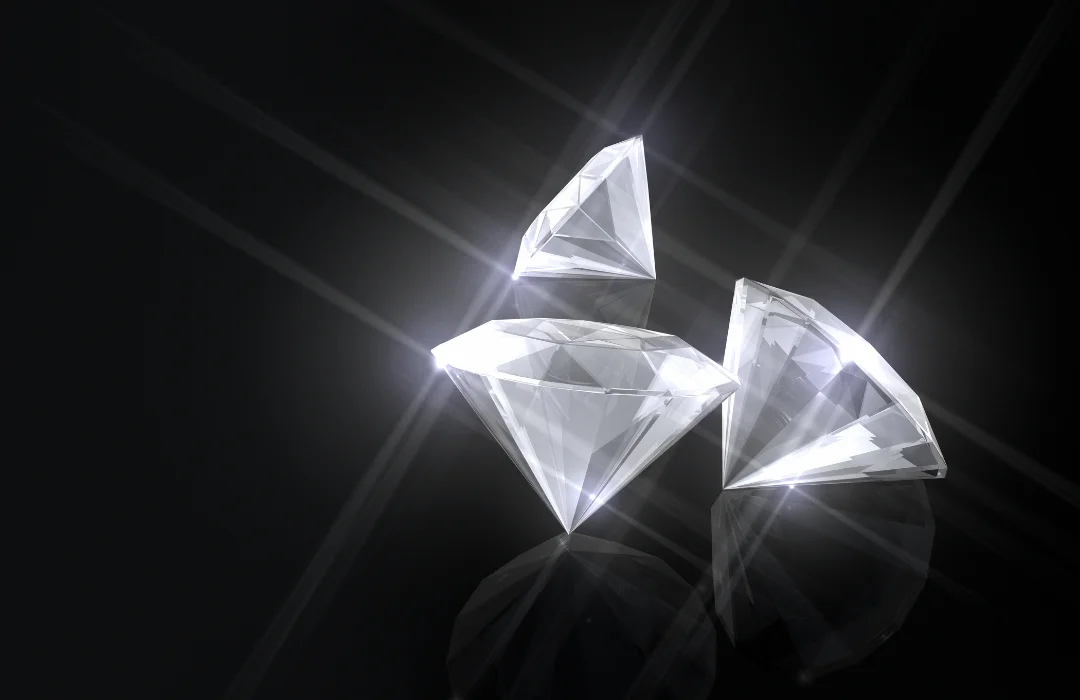
In recent years, lab grown diamonds have emerged as a revolutionary force in the diamond industry, disrupting traditional norms and offering consumers a modern, ethical alternative. Once seen as a niche product, lab grown diamonds are now a popular choice for those seeking luxury without compromising their values. As more consumers gravitate towards sustainable, transparent options, lab grown diamonds are proving to be a true game-changer.
In short: Lab-grown diamonds have grown from <1% of global diamond jewellery sales in 2015 to ~20% in 2025, pushed mined-diamond wholesale prices down 30-40% on smaller stones, and made 1ct+ centre stones accessible at sub-£2,000 price points. De Beers' 2018 launch of its own lab-grown line (Lightbox) was a clear signal of the structural shift.
Whether you’re considering a diamond for an engagement ring or exploring fine jewellery options, lab grown diamonds offer an exciting, ethical alternative that doesn't compromise on beauty or quality.
What Are Lab Grown Diamonds?
Lab grown diamonds are real diamonds, created in a laboratory under controlled conditions that mimic the natural processes that occur deep within the earth. These diamonds are chemically, physically, and optically identical to mined diamonds, meaning they offer the same sparkle, brilliance, and durability.
The key difference between lab grown and mined diamonds lies in their origin. Lab grown diamonds are made using advanced technology, either through High Pressure, High Temperature (HPHT) or Chemical Vapour Deposition (CVD). Both processes replicate the high-pressure, high-temperature conditions under which diamonds naturally form, producing diamonds that are indistinguishable from those found in the earth.
For brides who are interested in ethical sourcing, lab grown diamonds are a compelling choice. If you're looking to explore more options, check out lab grown diamonds in the UK for a range of high-quality choices.
How Lab Grown Diamonds Are Changing the Diamond Market
The introduction of lab grown diamonds has brought significant changes to the diamond industry. Traditionally, mined diamonds dominated the market, but today’s consumers are more conscious about the ethical and environmental impacts of their purchases. As a result, lab grown diamonds have gained popularity for their ability to offer the same luxurious appeal as mined diamonds, without the ethical concerns associated with traditional diamond mining.
The transparency of the lab grown diamond supply chain is another factor driving this shift. Consumers are increasingly interested in knowing where their products come from and whether they align with their personal values. With lab grown diamonds, there’s no ambiguity—buyers can be confident they are purchasing a conflict-free, ethically produced gem. It’s no wonder that jewellers and brands are increasingly offering lab grown diamonds as part of their collections.
Ethical and Sustainable Benefits of Lab Grown Diamonds
One of the biggest advantages of lab grown diamonds is their ethical and sustainable nature. Traditional diamond mining has long been associated with conflict diamonds (or "blood diamonds"), which are mined in war zones and sold to fund violence and human rights abuses. Even in regulated areas, diamond mining often involves exploitative labour practices and severe environmental degradation, including deforestation, soil erosion, and water pollution.
Lab grown diamonds, on the other hand, are free from such concerns. They are created in a controlled laboratory environment, ensuring they are 100% conflict-free. Also, lab grown diamonds have a far smaller carbon footprint, using fewer natural resources and energy compared to mining. For eco-conscious consumers, lab grown diamonds represent a much more sustainable choice.
Affordability Without Compromising on Quality
Another game-changing aspect of lab grown diamonds is their affordability. Lab grown diamonds are typically 30-40% less expensive than natural diamonds of the same size and quality. This price difference is not due to a lack of quality—lab grown diamonds are held to the same grading standards as natural diamonds. They are evaluated based on the same 4Cs: cut, clarity, colour, and carat weight.
This affordability allows consumers to purchase larger or higher-quality diamonds within their budget, making lab grown diamonds an attractive option for those looking for luxury without the high price tag. Whether you're planning a proposal or treating yourself to a piece of jewellery, lab grown diamonds allow you to enjoy all the beauty and brilliance of a diamond at a more accessible price. If you're looking for a larger diamond without compromising on quality, check out cushion cut lab grown diamonds for an elegant and affordable choice.
Lab Grown Diamonds: The Technology Behind the Sparkle
Lab grown diamonds are created using two primary methods: High Pressure, High Temperature (HPHT) and Chemical Vapour Deposition (CVD). Both processes involve replicating the extreme conditions under which natural diamonds form.
In the HPHT method, a diamond seed is placed in a chamber that simulates the high pressure and temperature found deep within the earth. Over time, carbon atoms bond to the seed, forming a diamond. The CVD method involves placing a diamond seed in a chamber filled with carbon-rich gas, which is heated until the carbon atoms break down and begin to deposit onto the seed, gradually forming a diamond.
These technological advancements have made lab grown diamonds more accessible, allowing jewellers to offer a wider range of shapes, sizes, and colours to meet consumer preferences. For a collection of various cuts, check out our selection of round lab grown diamonds.
Lab Grown Diamonds and Consumer Preferences
The rise of lab grown diamonds is largely driven by changing consumer values. Younger generations, in particular, are prioritising sustainability, ethical sourcing, and transparency when making purchasing decisions. Lab grown diamonds align perfectly with these values, offering a product that is not only beautiful but also responsibly sourced.
This shift is especially noticeable in the engagement ring market, where lab grown diamonds are becoming an increasingly popular choice. Modern couples are looking for ways to express their love and commitment while also making ethical decisions that reflect their beliefs. Lab grown diamonds tick all the boxes, providing a conflict-free, eco-friendly option that doesn’t compromise on luxury or quality.
Lab Grown Diamonds vs. Natural Diamonds: The Key Differences
While lab grown diamonds and natural diamonds are identical in terms of their physical and chemical properties, there are a few key differences to consider.
- Origin: Lab grown diamonds are created in a laboratory, while natural diamonds are formed deep within the earth over millions of years.
- Ethics: Lab grown diamonds are conflict-free and created under ethical conditions, whereas natural diamonds may carry ethical concerns related to mining practices.
- Environmental Impact: Lab grown diamonds have a much smaller environmental footprint, using fewer resources and causing less harm to ecosystems than mining.
- Cost: Lab grown diamonds are more affordable, typically costing 30-40% less than natural diamonds of the same quality.
For many consumers, these differences make lab grown diamonds the clear choice. They offer all the beauty, durability, and sparkle of natural diamonds, but with added ethical and environmental benefits.
Lab Grown Diamonds for Customisation and Innovation
Lab grown diamonds are also opening up new possibilities for customisation and innovation within the jewellery industry. Their affordability and availability make them ideal for bespoke designs, allowing consumers to create one-of-a-kind pieces without breaking the bank. Whether it’s a custom engagement ring or a unique anniversary gift, lab grown diamonds offer flexibility and creativity that make luxury jewellery more accessible to a wider audience.
Jewellers are also taking advantage of lab grown diamonds to experiment with new designs and styles. From fancy coloured diamonds to intricate settings, lab grown diamonds provide endless opportunities for innovation in the world of fine jewellery. If you’re interested in exploring coloured options, check out fancy coloured diamonds for unique and vibrant pieces.
The Future of Lab Grown Diamonds in the Industry
Looking ahead, it’s clear that lab grown diamonds are here to stay. As consumer demand for ethical and sustainable products continues to grow, lab grown diamonds are positioned to become a mainstream option in the diamond industry. Advances in technology will likely make production even more efficient, further lowering costs and making lab grown diamonds even more attractive to consumers.
With their combination of affordability, ethical sourcing, and sustainability, lab grown diamonds are poised to revolutionise the diamond industry. They offer consumers the opportunity to enjoy the lasting appeal of a diamond without the concerns associated with traditional mining. For those who value luxury with a conscience, lab grown diamonds are truly a game-changer.
FAQs
How are lab-grown diamonds changing the diamond industry?
Lab-grown diamonds have introduced supply that is independent of mining cycles, certified to the same GIA and IGI standards as mined diamonds, and priced 60–70% lower for equivalent grades. That price gap has opened access to larger, higher-clarity stones for buyers who previously had to compromise, and it has pushed mined-diamond producers to invest more in provenance and storytelling. The category is growing roughly 15–20% year-on-year worldwide.
Are lab-grown diamonds replacing mined diamonds completely?
Not completely, but the share is shifting. Lab-grown now accounts for roughly half of new engagement-ring sales in the UK and US, particularly in the 1ct-plus segment where the price difference is most significant. Mined diamonds retain a stronger position in heirloom-grade, fancy-colour, and investment-grade stones. Most jewellers — including Reve Diamonds — now stock both, letting buyers choose based on their own priorities.
Will lab-grown diamonds lose their value over time?
Lab-grown diamond prices at retail have settled into a stable range over the past two years after an earlier period of decline. Resale value for any diamond — lab-grown or mined — typically sits at 30–50% of the original retail price, so neither should be bought primarily as an investment. The value of a lab-grown diamond is in what you get at purchase: a substantially larger, higher-grade stone for the same budget.
Do jewellers treat lab-grown and mined diamonds differently?
Reputable jewellers treat both with the same standards — same certifications, same setting techniques, same warranties. The differences appear at the certificate level: every lab-grown diamond is laser-inscribed with its lab report number and identified as laboratory-grown on the accompanying paperwork. Reve Diamonds offers the same lifetime aftercare on lab-grown and mined diamond purchases.
